In an era defined by rapid-fire digital consumption and the relentless turnover of the art market, the Stefani Art Gallery in Salem, Oregon, is championing a deliberate, slow-burn approach to cultural stewardship. By integrating rare historical archives with the intentional placement of contemporary works, the gallery is shifting the focus from the act of acquisition to the long-term responsibilities of ownership. At the heart of this mission is a new, poignant exhibition, Before the Water Rose: Celilo Falls, 1956, which brings to light a series of rare, rediscovered color photographs that capture a pivotal moment in Pacific Northwest history.
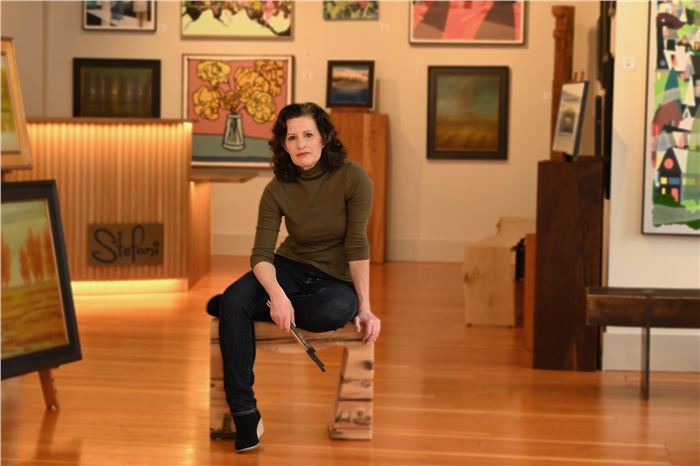
Cultural stewardship, as defined by the gallery, extends far beyond the transactional nature of selling art. It is a multi-faceted discipline that begins with a discerning eye, but encompasses the preservation of histories, the support of living artists, rigorous research, and the facilitation of meaningful relationships between art and the public. This philosophy is deeply embedded in the House of Stefani ecosystem, led by creative director, artist, curator, and designer Christina Stefani. Under her guidance, the organization operates as an interconnected network where the act of creating, the presentation of work, and the academic pursuit of historical context are inextricably linked.
The House of Stefani structure reflects a holistic view of the art world. The studio focuses on the discipline of production, while the gallery serves as the bridge between artists and collectors. Complementing these are the research and publishing arms, which investigate the deeper histories behind the work, and the developing House of Stefani Arts & Cultural Foundation, which ensures the longevity of these efforts through education and preservation. What distinguishes this model is not necessarily its institutional architecture, but its unique relationship with time. Whether the team is collaborating with a contemporary artist, advising a private collector, or meticulously restoring a seventy-year-old photographic archive, they are guided by a singular, persistent question: what is worth carrying forward into the future?
For Christina Stefani, the goal of cultivating collectors is not to dictate taste or influence market trends, but to foster personal engagement. She encourages collectors to look beyond the surface, to identify works that provoke a lingering response, and to embrace the process of inquiry—learning about the artist, understanding the context, and allowing a relationship with the piece to develop over time. This ethos governs the gallery’s selection process. Craftsmanship, originality, and the development of a distinct visual language are prioritized over fleeting fashion. The ultimate objective is for art to become a permanent fixture of a collector’s life, a companion seen in the morning light that eventually becomes a touchstone for a specific chapter of their own personal history.
Before the Water Rose: Honoring the Legacy of Celilo Falls
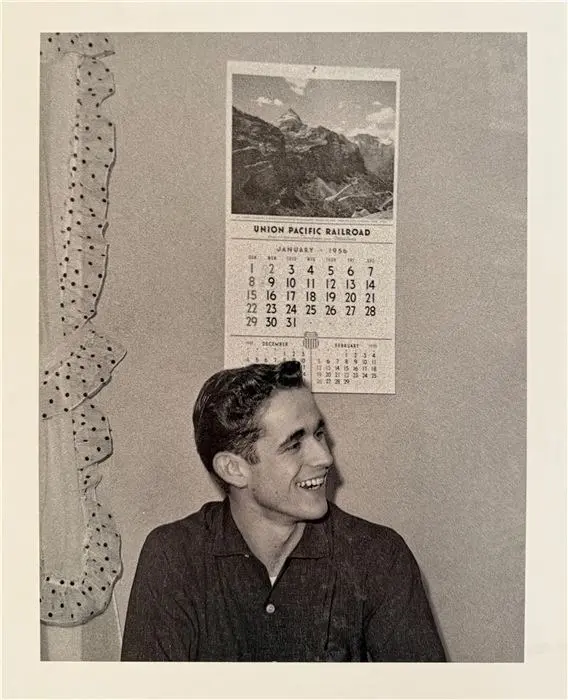
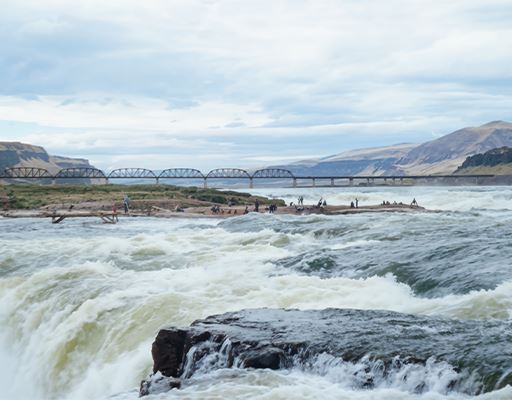
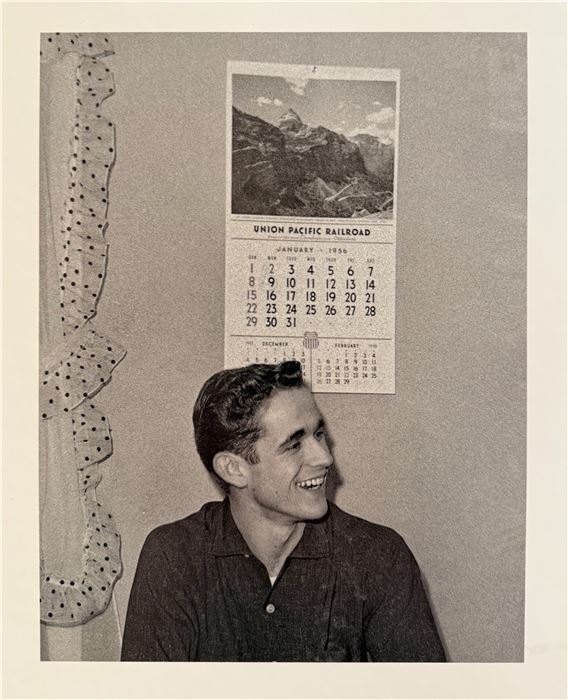
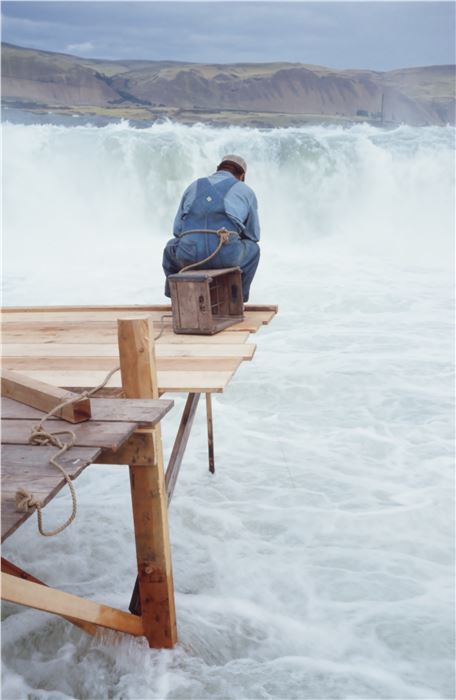
The gallery’s current exhibition, Before the Water Rose: Celilo Falls, 1956, serves as a powerful testament to this commitment to preservation. The project began with a discovery within the Richard Stefani estate. In the fall of 1956, twenty-three-year-old Richard Stefani traveled to Celilo Falls, located on the Columbia River, equipped with nothing more than two cameras and two rolls of color film. He was not acting as a professional documentarian, nor was he attempting to create an exhaustive historical record. He was simply an observer witnessing an extraordinary site. Months later, the falls—a place of profound cultural and economic significance for Indigenous peoples for millennia—were submerged by the reservoir created by The Dalles Dam.
Nearly seven decades later, the twenty-three surviving color negatives from that trip have been brought together for the first time. The exhibition represents the culmination of the gallery’s belief that careful observation and the stewardship of entrusted history are essential. For the gallery, caring for the Richard Stefani archive is a privilege that comes with the significant responsibility of ensuring these images are presented with the necessary historical and cultural context.
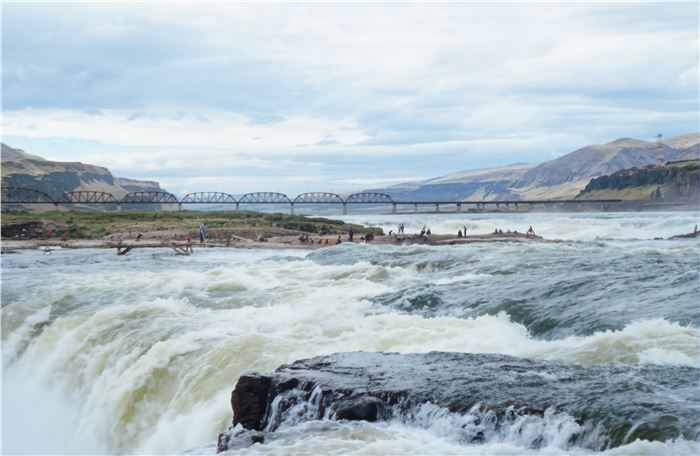
The gallery remains acutely aware of the sensitivity surrounding Celilo. It is careful to emphasize that the history of the site did not end in 1957. While the physical falls were submerged, the traditions, treaty rights, and enduring relationship between Indigenous communities and the Columbia River remain vital and present. The exhibition avoids the trap of romanticizing the past or turning the people captured in the photographs into static symbols of a "vanished world." Instead, it presents them as individuals living, working, and engaging with their community. The gallery’s role, as defined by its leadership, is to act as a custodian of the photographs, to remain transparent about the limits of their institutional knowledge, and to make space for Indigenous voices rather than attempting to speak on their behalf.
The preservation of these images highlights the gallery’s meticulous approach to physical archiving. Each decision—from the handling of the negatives to the production of fine art editions—is treated as an extension of the artwork’s history. The goal is not to modernize or alter the imagery to suit contemporary tastes, but to translate the original negatives into a form that allows the viewer to experience them with maximum fidelity. Each edition is produced in small quantities using archival materials, with provenance documentation treated as a critical component of the work itself.
Place, Placement, and Long-Term Ecosystems
The gallery’s focus on the Pacific Northwest is not a constraint, but a foundation for universal inquiry. By rooting their work in the specific geography of the Columbia River, they raise broader questions about memory, the impact of technological change, and the ephemeral nature of the landscape. As a partner of MutualArt, the Stefani Art Gallery reaches an international audience, allowing viewers thousands of miles away to connect with the humanity captured in their exhibitions.
This sense of intentionality extends to their advisory services. The gallery operates on the principle that trust is built through listening. Before offering recommendations, the gallery takes the time to understand the collector’s existing environment, their personal responses to various aesthetics, and their long-term goals. With Christina Stefani’s background in design and architecture, the gallery possesses an inherent sensitivity to scale, light, and proportion. However, they maintain that these logistical considerations should never supersede the emotional connection between a collector and a work of art. The objective is never to force a sale, but to help a collector build a cohesive, meaningful collection that will retain its value and relevance for decades.
Looking toward the future, the House of Stefani is formalizing its support for the arts through several key initiatives. The newly developed Curatorial Program provides working artists with professional resources, education, and community support that function independently of traditional gallery representation. Simultaneously, the House of Stefani Arts & Cultural Foundation is expanding its reach into research, education, and philanthropy, aiming to address the structural needs of the arts community that a commercial gallery cannot fulfill alone.
By aligning the gallery’s exhibition program, the professional support of the Curatorial Program, and the preservation efforts of the Foundation, the organization is building an ecosystem designed to serve not just the current art market, but the next generation. Whether through the careful curation of historical negatives or the mentorship of contemporary creators, the Stefani Art Gallery continues to operate under the belief that meaningful art requires, above all else, the space to develop and the commitment to be protected. Through this multifaceted approach, the gallery ensures that the art it champions remains a living, breathing part of the cultural landscape, long after the exhibition has ended.