The United States has long been defined by its staggering geographical diversity, a vast expanse where a single national boundary encompasses volcanic beaches, glacier-capped mountain peaks, canyon-carved deserts, and misty, temperate rainforests. Yet, the human imprint upon these dramatic landscapes is just as varied and compelling. Across the country, what people have built often harmonizes with, responds to, or boldly contrasts the natural topography, creating unique visual narratives that span centuries of history, culture, and design innovation.

In a recent comprehensive architectural and geographical survey, travel and design journalist Stefanie Waldek has highlighted nine states that stand out for possessing both breathtaking natural scenery and remarkable architecture that holds its own against the environment. Rather than attempting to definitively rank which state claims the ultimate crown of beauty—a subjective endeavor given the nation’s countless scenic wonders—this curated selection aims to inspire travelers, design enthusiasts, and road-trip planners to experience the multifaceted visual identity of the United States.

From the tropical Pacific outpost of Hawaii to the rugged coastal reaches of Maine, these states demonstrate that the most captivating destinations are often those where exceptional architecture and stunning landscapes exist in a continuous, captivating dialogue. The curated collection serves as an invitation to look closer at the built environment while traversing some of the country’s most celebrated outdoor domains.

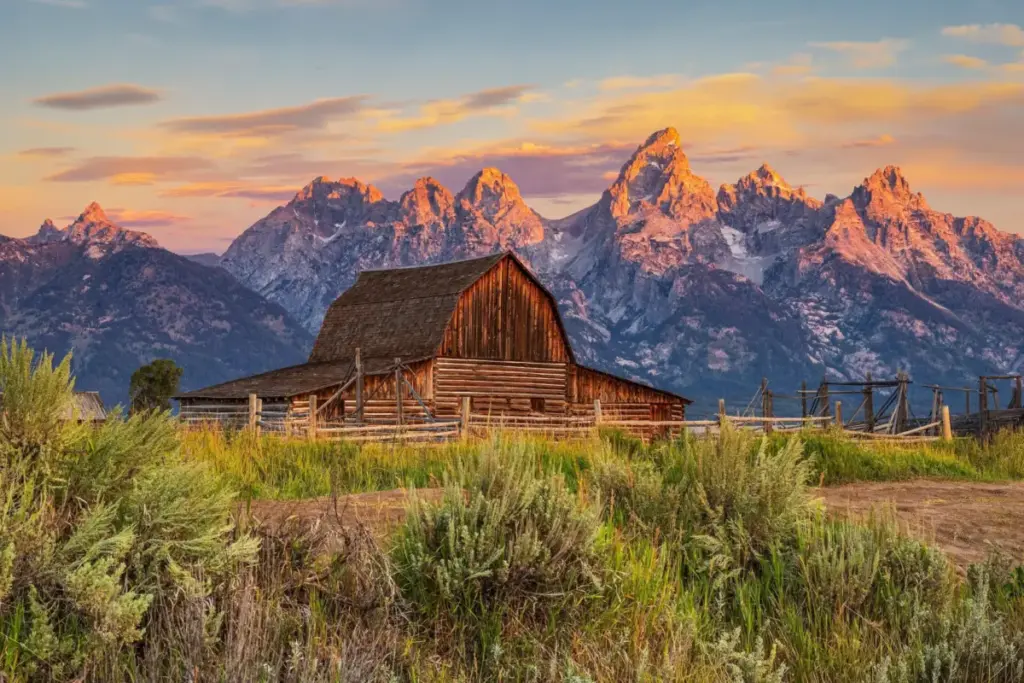
Among the standout regions featured in the architectural survey is Wyoming, a state globally synonymous with the rugged grandeur of the American West. Here, iconic historic structures—such as classic, weathered wooden barns—sit in the immediate foreground against the razor-sharp, dramatic alpine peaks of Grand Teton National Park. The architectural vernacular of the Mountain West is deeply rooted in utility and resilience, using locally sourced timber and stone to create homesteads, outbuildings, and lodges that complement rather than compete with the towering natural monuments surrounding them. This interplay between man-made homesteads and raw wilderness defines the visual heritage of the region, offering photographers and travelers a timeless tableau.

Moving far beyond the mainland, the unique architectural landscape of Hawaii introduces a distinct royal heritage rooted in the Pacific. Downtown Honolulu houses the historic Iolani Palace, the only royal palace officially situated on United States soil. Built in the late 19th century during the reign of King Kalakaua, the palace showcases an American Florentine architectural style that blends European classicism with indigenous Hawaiian materials and craftsmanship. Set against a backdrop of lush, emerald-green volcanic mountains and deep blue ocean waters, the palace exemplifies how regional architecture can reflect a distinct cultural identity while anchoring itself within a paradise of tropical foliage and dramatic topography.

Further west in the American Southwest, Arizona presents a masterclass in architectural integration within arid, canyon-carved deserts. One of the most striking examples of this philosophy is found along the rim of the Grand Canyon, where visionary architect Mary Colter designed a series of stone structures for the Fred Harvey Company and the National Park Service in the early 20th century. Colter’s iconic stone watchtower, Desert View Watchtower, draws deeply from ancestral Puebloan architecture. By utilizing local limestone and sandstone, Colter designed a tower that appears to grow organically out of the canyon rim itself, echoing the stratification of the geological wonder spread out below it. Her work remains a textbook example of how the built environment can honor and reflect a dramatic natural landscape without disrupting its visual integrity.

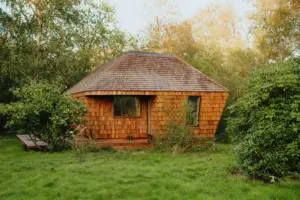
Contrasting sharply with the desert warmth of the Southwest, the northeastern coast of Maine offers a completely different aesthetic defined by maritime traditions and modernist craft. Along its jagged, pine-fringed shores, visitors encounter the cedar-shingled studios and historic campus buildings of modernist craft schools. These institutions embrace a design ethos where functional architecture is deeply intertwined with the natural elements—salt air, granite ledges, and tidal waters. The weathered cedar shingles blend effortlessly into the coastal forests and rocky outcroppings, demonstrating a vernacular architecture shaped by the demands of the North Atlantic climate and a profound appreciation for handcrafted artistry.

These diverse regional examples underscore a broader truth about the American landscape: beauty in the United States is rarely limited to geography alone. Instead, it is found in the synthesis of environmental splendor and human creativity. Whether it is the historic preservation of royal Hawaiian palaces, the pioneering vernacular designs of Southwestern national parks, the rugged utility of Western ranch architecture, or the contemplative coastal studios of New England, these states offer a rich tapestry for anyone willing to embark on a journey of discovery.

As travelers increasingly seek out destinations that offer deeper cultural and visual engagement, road trips that bridge the gap between landscape photography and architectural appreciation are gaining renewed popularity. By examining how different regions have shaped their built environments in response to challenging and inspiring topographies, enthusiasts can gain a newfound appreciation for the country’s diverse architectural heritage. Ultimately, these nine states stand as enduring reminders that America’s visual appeal lies not in a single defining landscape or architectural style, but in the infinite, surprising ways the two intersect from coast to coast.