Every season, gardening enthusiasts face a familiar dilemma in the aisles of local nurseries and garden centers. Standing before racks of tiny, colorful seed packets on one side and trays of lush, ready-made starter plants on the other, the question inevitably arises: Is starting a garden from scratch genuinely cheaper, or are you simply paying for convenience?
For seasoned horticulturists like Chad Soles, who has spent over two decades studying sustainable and organic gardening practices, this debate is far more nuanced than a simple price tag comparison. While upfront costs might make seeds appear overwhelmingly economical, achieving a truly budget-friendly garden requires a careful evaluation of time, resources, setup expenses, and long-term value.
What Growing From Seed Actually Entails
At first glance, the concept of growing plants from seed feels remarkably straightforward. Online advertisements and social media tutorials often depict the process as effortless, but experienced gardeners know that starting from scratch demands patience, environmental control, and a solid grasp of basic plant biology. While purchasing a packet of seeds costs only a few dollars, transforming those tiny grains into thriving garden plants involves a multi-layered process that requires both intention and consistency.
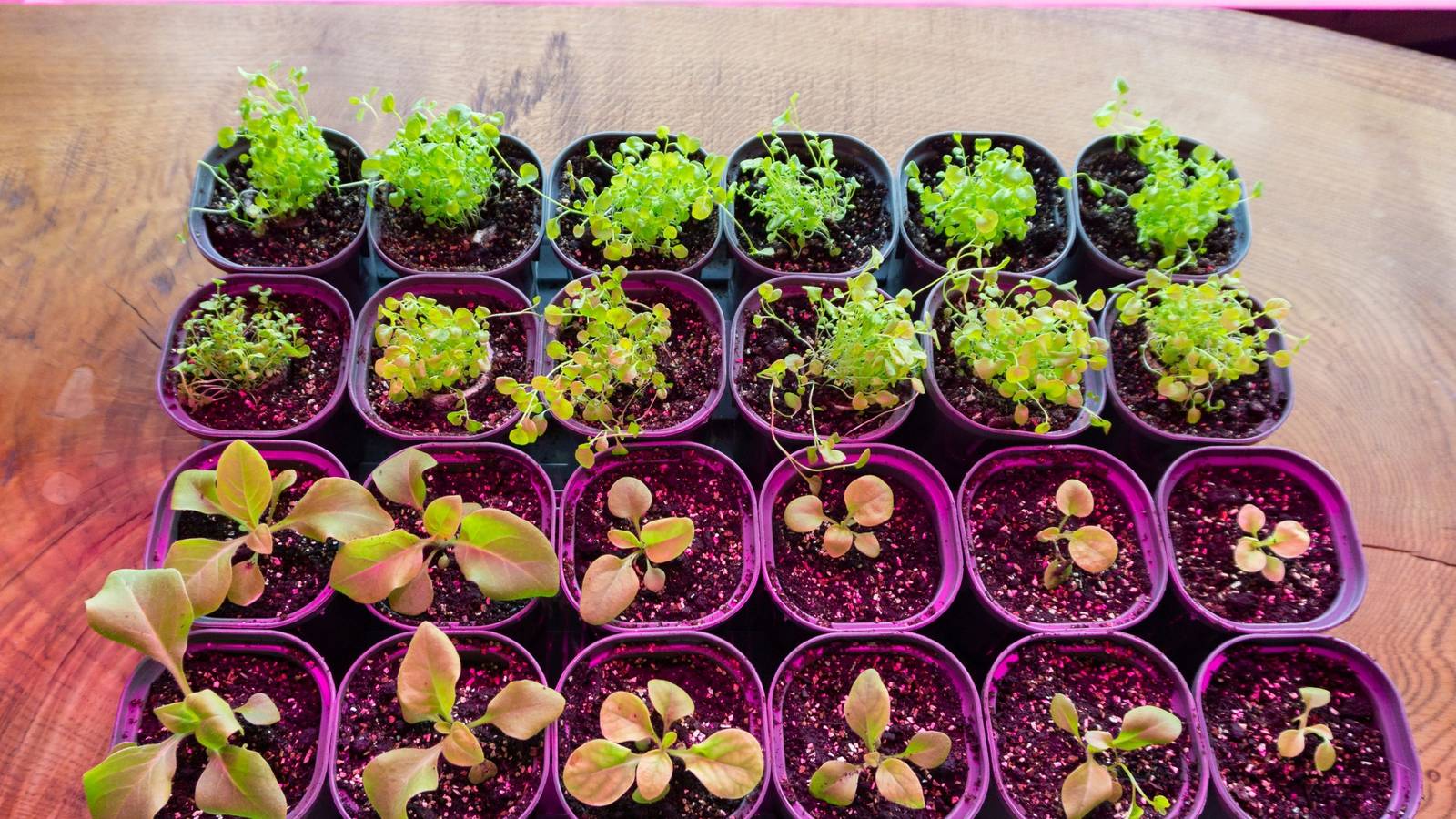
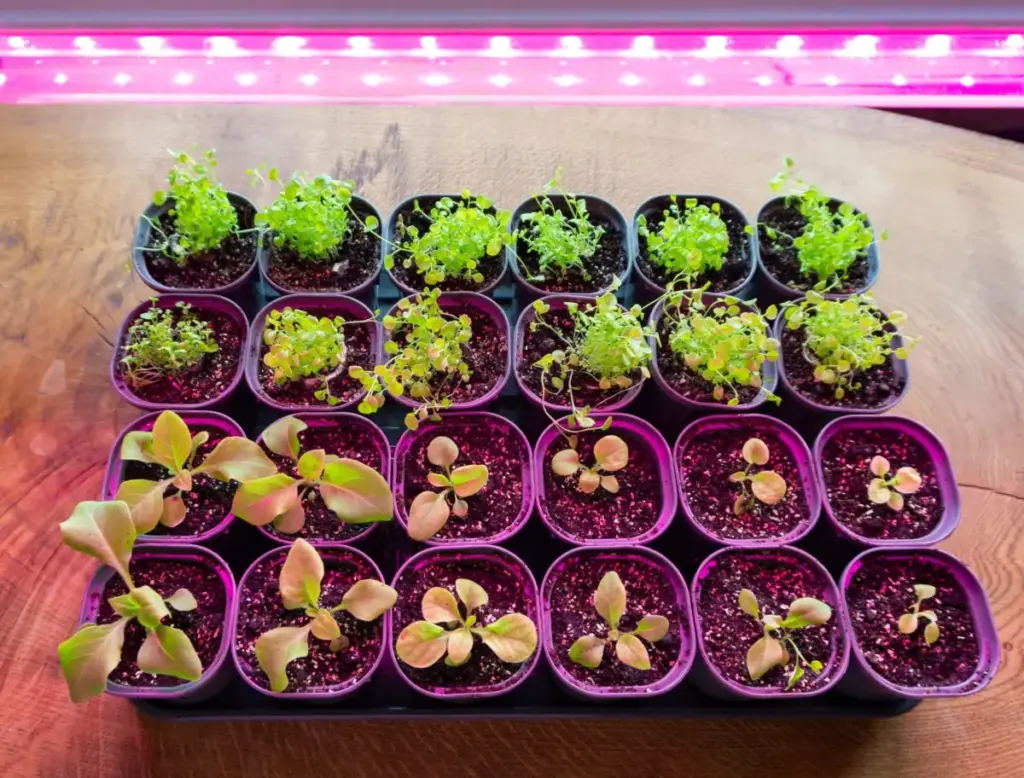
To support the entire seed-starting journey from preparation to final transplanting, growers typically rely on a specific array of materials. Trays are essential for holding germinating seeds and providing an organized space for early root development, while specialized seed-starting soil supplies the exact nutrients and structure young roots need to grow strong and stable. Because natural sunlight indoors is rarely sufficient during early spring, artificial grow lights are frequently required to provide consistent brightness, preventing delicate seedlings from becoming weak or stretched out.
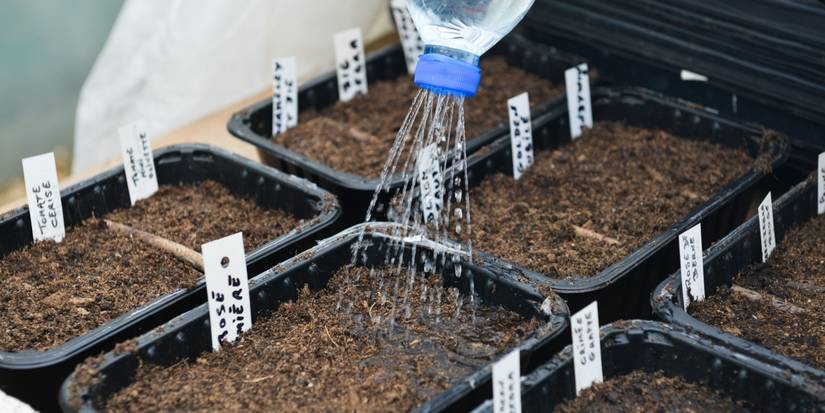
Watering tools must be precise, allowing for gentle moisture control without disturbing fragile sprouts. Gardeners also utilize plant labels to track varieties and planting dates, alongside garden trowels to help move soil and eventually transplant young plants into larger containers or outdoor beds. In addition, heat mats are often employed to maintain warm soil temperatures that improve both germination speed and consistency, while humidity covers trap essential moisture to create a stable environment for sprouting. Finally, basic protective gear like gardening gloves and drip trays help maintain a clean and organized indoor workspace.
Maintaining a detailed planting journal to track watering routines, sunlight exposure, and developmental milestones can significantly optimize the process over time, ultimately making seed-based gardening far cheaper and more efficient.

Alternatives to Starting From Scratch
Not every gardener has the time, space, or inclination to wait weeks for tiny sprouts to emerge. For individuals balancing busy schedules or those seeking immediate visual results, purchasing ready-to-grow starter plants or pre-grown options feels far more practical. However, while these choices appear budget-friendly on the surface, they do not always prove inexpensive in the long run when compared to the high volume of plants generated by a single seed packet.
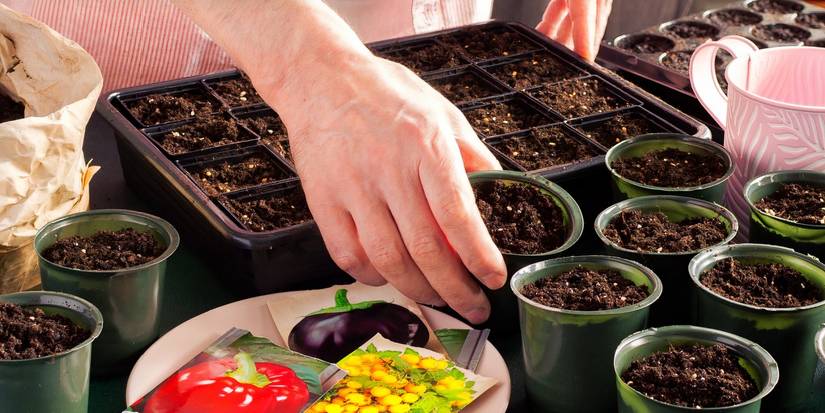
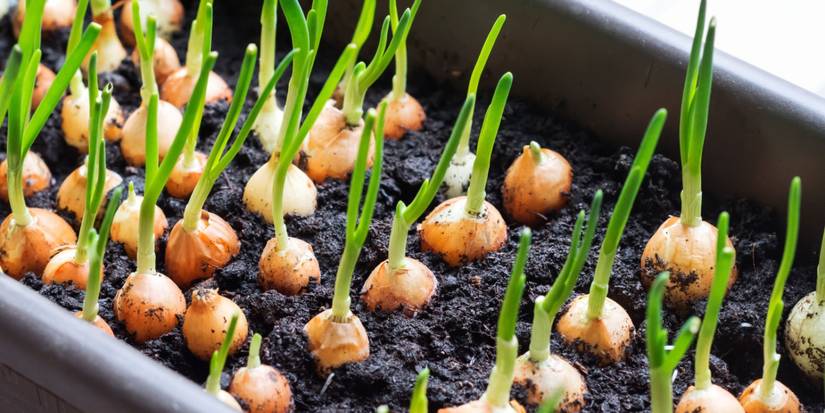
The market for pre-grown alternatives generally encompasses several categories, including established bedding plants, root vegetables grown from sets, and potted perennials ready for immediate placement. While these options eliminate the need for indoor lighting setups, heat mats, and weeks of careful monitoring, they come with distinct financial and biological trade-offs.
When purchasing pre-grown alternatives, experts strongly advise inspecting root systems thoroughly before committing funds. Bringing home stressed, root-bound, or diseased plants can easily compromise an entire garden bed, leading to premature plant failure and increased replacement costs later in the season.
Comparing Costs Reveals True Value
When people discuss saving money on gardening, they often assume that starting with seeds is automatically cheaper under all circumstances. In reality, true cost comparisons depend heavily on initial setup choices, the potential for long-term equipment reuse, and how efficiently resources are managed over multiple growing cycles.
When analyzing initial purchases, seed-based growing usually falls into the budget to lower-mid-range category because a single packet contains dozens or even hundreds of units. Conversely, starter and pre-grown options carry higher entry costs, as retail pricing must account for labor, greenhouse care, utility overhead, and transportation.
Equipment spending for seed starters typically begins modestly but can reach mid-range levels once specialized lighting, shelving, and heating tools are factored into the budget. On the other hand, equipment spending for pre-grown plants usually stays minimal because containers and soil are already bundled into the retail price of the individual plant.
The time investment required for seeds remains high, demanding daily monitoring, moisture regulation, and careful hardening-off procedures before outdoor planting. Pre-grown options require a much lower time commitment during the early stages, as the nursery has already handled the critical germination and early growth phases.
However, replacement risk highlights another key financial difference. If a batch of seeds fails to germinate, the financial loss is minimal because replacement seeds are inexpensive in bulk. Conversely, if a mature, pre-grown plant dies after transplanting, the cost of replacing it requires purchasing entirely new individual units at full retail price. Over the long term, seed-based production often proves to be the most cost-effective approach, as supplies like trays, lights, and labels can be reused year after year, and future seed-saving practices eliminate repeat purchases entirely.
Plan Before Planting to Avoid Pitfalls
Before committing exclusively to seeds or pre-grown alternatives, gardeners benefit from pausing to evaluate the bigger picture. Long-term success with growing plants depends heavily on domestic infrastructure, available natural light, seasonal climate constraints, and personal time management habits.

Space is a primary consideration. Starting seeds indoors requires dedicated tabletop or shelving space near sunny windows or beneath artificial lighting rigs for several weeks before the last spring frost. Gardeners lacking indoor space often find that pre-grown options are the only viable path, despite the higher financial outlay.
Light availability and household temperature control also dictate feasibility. Basements, spare rooms, and utility areas must be adaptable to accommodate the equipment necessary to keep seedlings warm and robust. Furthermore, personal scheduling plays a vital role; individuals with unpredictable work travel or demanding daily routines may struggle to maintain the strict watering schedules required during the critical germination phase. Establishing a clear spending limit before purchasing supplies helps prevent impulsive buying and ensures that the chosen approach remains aligned with household financial goals.
Long-Term Benefits Go Beyond Initial Costs
The advantages of starting with seeds extend far beyond immediate financial savings. For dedicated horticulturists, the deep satisfaction of nurturing a plant from its embryonic stage outweighs pure convenience, and the accumulated knowledge gained through the process adds immense value to the gardening experience.
Cultivating plants from seed fosters a profound connection to natural cycles and promotes sustainable gardening practices. Over successive seasons, gardeners who master seed-saving techniques can harvest viable seeds from their own mature crops, creating a self-sustaining cycle that drastically reduces future garden expenses. This practice not only preserves favorite heirloom varieties but also builds resilience and adaptability, as plants naturally acclimate to the specific microclimates and soil conditions of a particular backyard.
Ultimately, whether a gardener chooses to start from scratch or invest in ready-made plants, the decision comes down to balancing available time, personal patience, and overarching horticultural goals. While seed-based growing demands greater upfront effort and attention to detail, it consistently proves to be the most rewarding and economically sustainable way to cultivate a thriving home garden over the long term.