In an increasingly complex and interconnected global market, the traditional role of the art dealer is undergoing a profound metamorphosis. Gallerists, advisors, and independent art entrepreneurs are no longer simply curators of physical spaces; they are now managers of digital ecosystems, navigating a landscape defined by volatile inventory, shifting collector demographics, international logistics, and the rapid rise of secondary market channels. To survive and thrive in this high-stakes environment, professional success increasingly relies on collaboration, shared intelligence, and access to sophisticated digital tools. Standing at the forefront of this shift is the Association of Women Art Dealers (AWAD), an international trade network dedicated to expanding commercial pathways, peer mentorship, and educational resources for women and women-identifying art business owners across the globe.
Founded in 2009 by sector-supporting entrepreneur Susan J. Mumford, the non-profit organization serves as a vital lifeline for art dealers, gallerists, secondary market specialists, and art advisors at every stage of their professional journeys. The inception of the organization was a direct response to the structural volatility that reshaped the international art market following the 2008 economic downturn. Operating a physical gallery space in London during that tumultuous period, Mumford identified a glaring void in the professional infrastructure available to independent women in the trade. She recognized that while the art world was inherently competitive, the lack of a structured, supportive forum for professional exchange hindered growth and resilience. To address the urgent need for open dialogue, shared knowledge, and collaborative business development, she established the organization as a dedicated space for peer-to-peer exchange, laying the groundwork for a community that would eventually span multiple continents.
A Global Network Built on Collaboration and Ethical Standards
Over the past fifteen years, what began as a localized effort to support female gallerists has evolved into a robust international community. At its core, the Association of Women Art Dealers operates under a stringent code of conduct that prioritizes transparency, ethical trading practices, and lifelong learning. In an industry often criticized for its opacity, the network provides a refreshing alternative by bringing together forward-thinking professionals who recognize that collective intelligence and strategic resource-sharing yield significant individual commercial advantages.
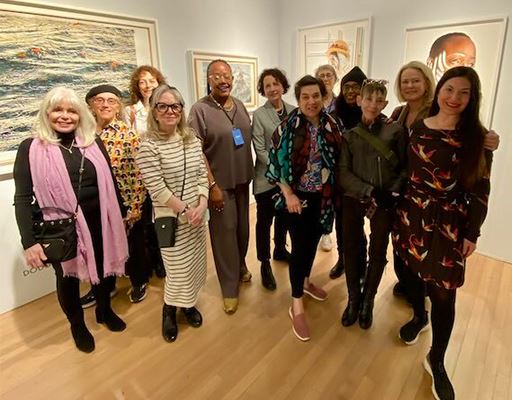
The philosophy of the network is simple yet transformative: by working together, members can navigate the complexities of the modern art market more effectively than they could in isolation. This manifests in practical, day-to-day business activities, such as joint business transactions, shared gallery and pop-up exhibition spaces, and the coordination of collaborative art fair booths. Furthermore, members frequently consolidate shipping and logistics, a move that directly improves profit margins and operational efficiency for independent businesses that might otherwise struggle with the exorbitant costs of international trade. By fostering an environment of mutual support, the association ensures that its members remain competitive against larger, more established gallery conglomerates.
The organizational architecture of the network is meticulously designed to foster continuous professional development. Members engage in a consistent schedule of monthly activities, including closed-door, peer-to-peer roundtable discussions. These sessions provide a safe space for participants to share candid insights regarding shifting market trends, client development, and the operational hurdles of running a small business. Beyond internal dialogue, the association hosts regular masterclasses led by industry experts. These sessions offer technical guidance on critical subjects such as legal compliance, anti-money laundering (AML) regulations, digital marketing strategies, and complex financial management. While the organization utilizes online programming to ensure accessibility for members across different time zones, it also maintains active physical hubs in major art capitals like New York and London, with regional events in Miami, Los Angeles, and beyond. This hybrid approach successfully bridges the gap between digital community-building and the essential nature of face-to-face professional networking.
Navigating Digital Discovery and the Fall Art Market
To further its educational mission and extend its influence to the broader art ecosystem, the Association of Women Art Dealers regularly hosts public panel discussions. These sessions feature leading industry voices, focusing on key developments in collector engagement, technology, and market intelligence. As the art world enters the busy fall season, the organization is launching a significant new educational initiative: AWAD x MutualArt Launch: Using New Platforms to Reach New Buyers. Scheduled for Tuesday, September 29, this digital event underscores the association’s commitment to equipping its members and the wider public with the tools necessary to thrive in an increasingly digitized marketplace.
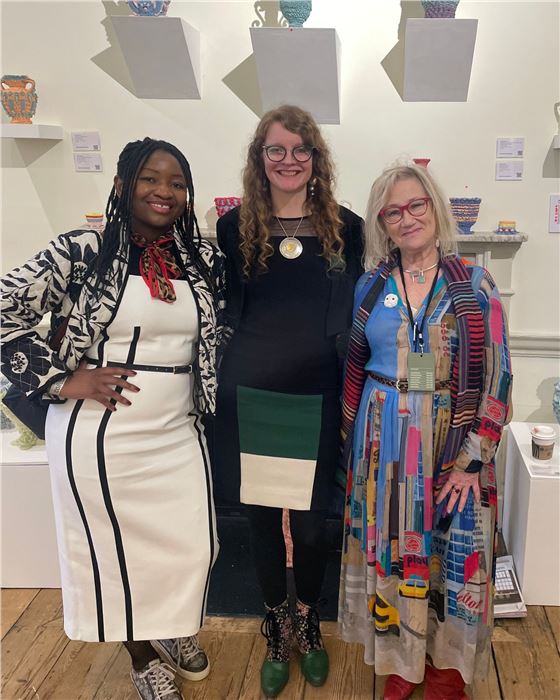
The upcoming panel session is designed to address one of the most pressing questions for independent dealers: how to effectively leverage digital tools, auction analytics, and specialized gallery consignment programs to reach new audiences and collectors beyond traditional, legacy gallery networks. The panel will feature founder Susan J. Mumford, joined by MutualArt Director of Sales Roni Gurfinkel and Head of Gallery Partnerships Valerie Rath.
The choice of speakers reflects the session’s practical, data-driven focus. Roni Gurfinkel brings over a decade of high-level fine art sales experience to the table, offering attendees a candid, data-informed perspective on navigating the intricacies of the secondary market and the nuances of the auction process. Valerie Rath, who brings a dual background in curatorial practice and advanced academic training in art history and arts management, will provide insights on how gallerists can bridge the gap between their physical exhibition programming and the online discovery process on platforms like MutualArt. The panel aims to provide actionable strategies that independent art businesses can implement immediately to optimize their digital presence and successfully convert online engagement into tangible sales throughout the fall season.
Reflecting on the overarching mission behind these educational initiatives, Susan J. Mumford emphasizes that the primary goal is to ensure that attendees leave with a clearer understanding of how platforms like MutualArt can extend a gallery’s reach far beyond its existing physical footprint. By developing new routes to market, dealers can create more sustainable business models. For Mumford, these events are deeply rooted in the core objective of empowering women and women-identifying art dealers. By providing access to specialized platforms, expert knowledge, and new networking opportunities, the association aims to ensure that its members are not merely participants in the art market, but leaders who know how to optimize modern technology to deliver real commercial benefits.
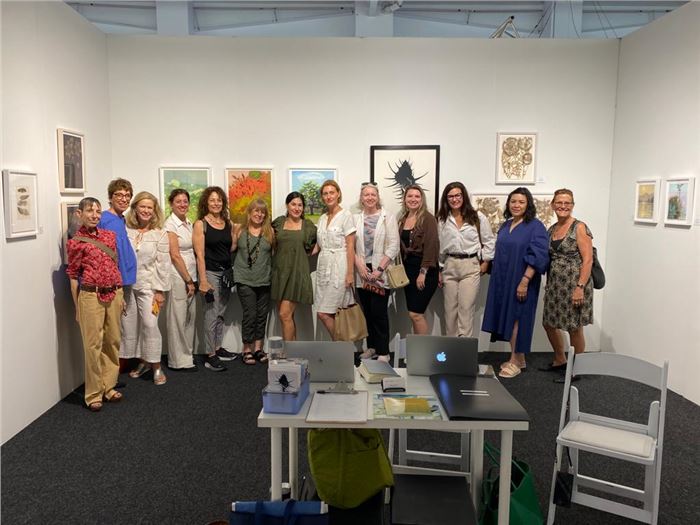
The sixty-minute live digital session is scheduled for Tuesday, September 29, at 1 PM ET / 6 PM UK. Staying true to the association’s long-standing commitment to broad professional development across the sector, the event is open to the general public by donation, alongside the association’s own members, friends, and partners. Interested attendees are required to register in advance via Eventbrite to receive the live broadcast details. For those unable to attend the live session, a complete recording will be made available to network members through the official Association of Women Art Dealers website, ensuring that the knowledge shared during the event remains accessible as a long-term resource for the community. As the art market continues to shift, initiatives like these serve as a vital reminder that in a global, digital-first world, the power of a connected, collaborative, and informed professional network remains the greatest asset for any art business.