When it comes to cultivating a vibrant and resilient landscape in the Northeastern United States, timing, texture, and color are everything. Joann Vieira, director of public gardens and horticulture at The Trustees of Reservations in Massachusetts, has curated a selection of four standout plants designed to breathe new life into regional green spaces. From the brilliant, fragrant blossoms of the Japanese spicebush to the striking, luminous foliage of the ‘Gold Bullion’ stinking hellebore, these botanical choices offer unique visual interest that can transform an ordinary garden into an eye-catching sanctuary.
For gardeners looking to expand their horizons beyond traditional flora, these four distinct selections bring a mix of historical significance, rare charm, and seasonal adaptability well-suited to the Northeast climate.
Japanese spicebush
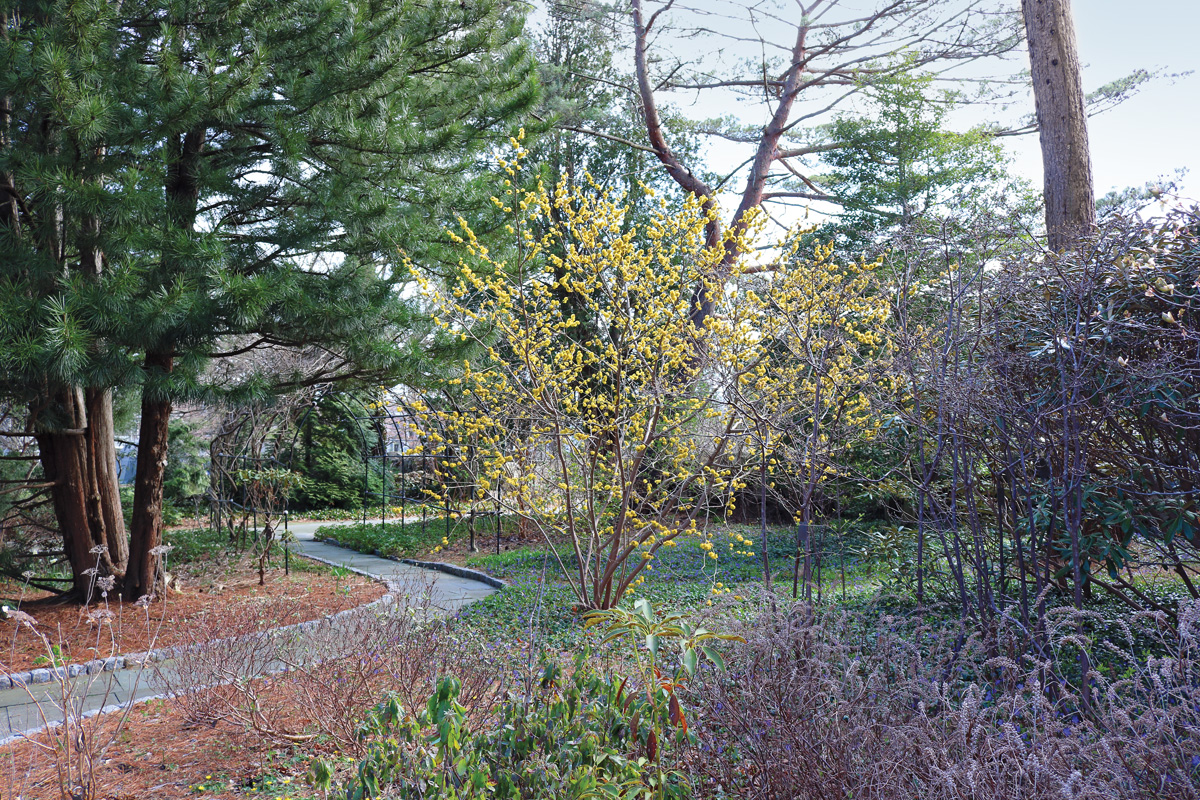
Among the most anticipated harbingers of spring is the Japanese spicebush, a remarkable shrub that defies the typical dreary landscape transition. Its distinctly round buds pop open in a striking explosion of eye-catching yellow pom-poms long before many other plants wake from winter. These sweetly fragrant blossoms clothe the upright, arching branches in early spring, creating a visual and olfactory spectacle prior to the emergence of the foliage.
Flowering even ahead of standard forsythia varieties, the spicebush’s bloom period overlaps with other highly prized early-season plants, such as edgeworthia, arriving precisely at a time when color and fragrance are sorely needed in the garden. As the season progresses, the later-unfurling leaves can reach an impressive length of 4 to 6 inches, providing a bold texture that anchors garden beds. For those who plant both male and female specimens, female plants will produce small drupes that ripen gracefully from red to black in the late summer. The seasonal grand finale unfolds in autumn, when the sassafras-like foliage undergoes a dramatic transformation into a bright yellow hue suffused with subtle shades of peach and pink.
‘April Mist’ rhododendron
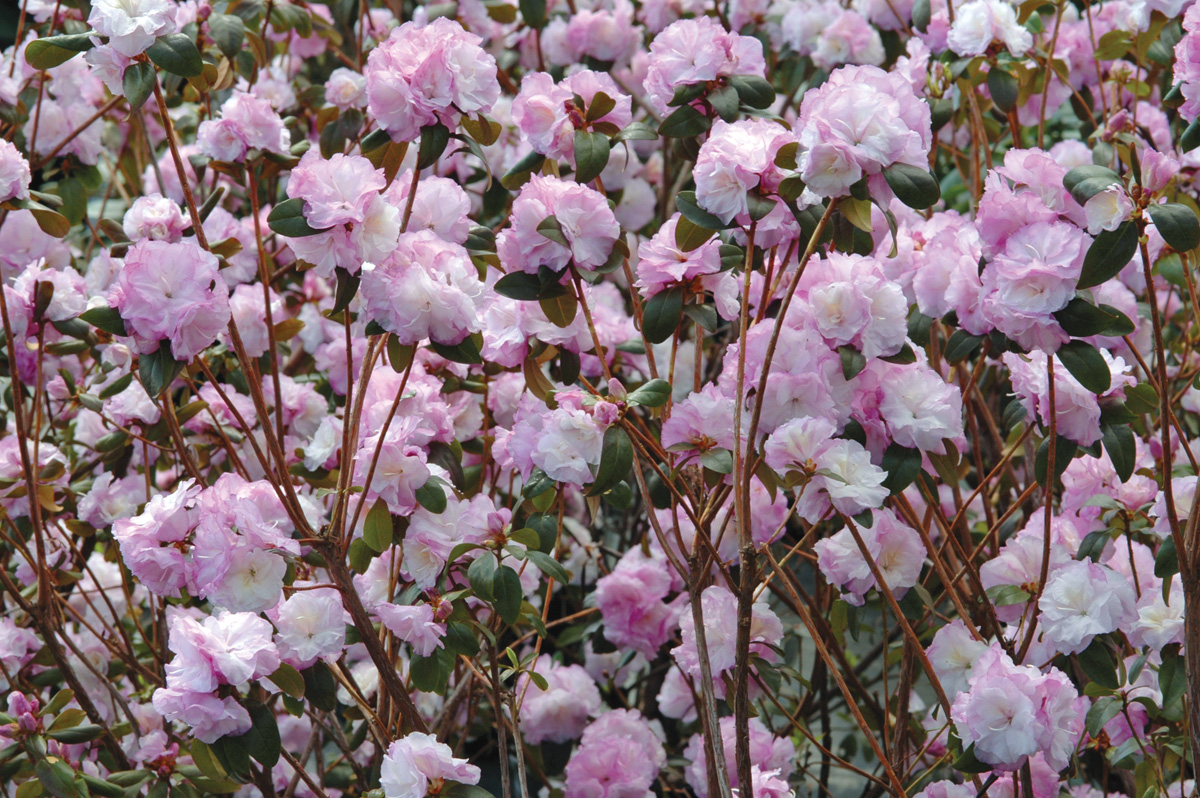
Early-blooming treasures are particularly cherished in the Northeast, and the ‘April Mist’ rhododendron is a prime example of exceptional breeding. Selected by the internationally renowned rhododendron specialist Dr. Gustav Mehlquist, this double-flowered cultivar produces blooms measuring an inch and a half across. The flowers feature delicate shades of lavender and are held in tight, bouquet-like clusters over small, evergreen leaves.
While it is a notoriously slow grower even under optimal environmental conditions, patience is richly rewarded as the shrub gradually matures to reach a height of roughly 4 to 5 feet. Finding this cultivar in commercial nurseries can occasionally pose a challenge, making it a prized discovery for dedicated collectors. The plant possesses a memorable visual impact, often leaving a lasting impression on horticulturists and garden visitors fortunate enough to encounter it in full bloom.
‘Hussii’ Canadian hemlock
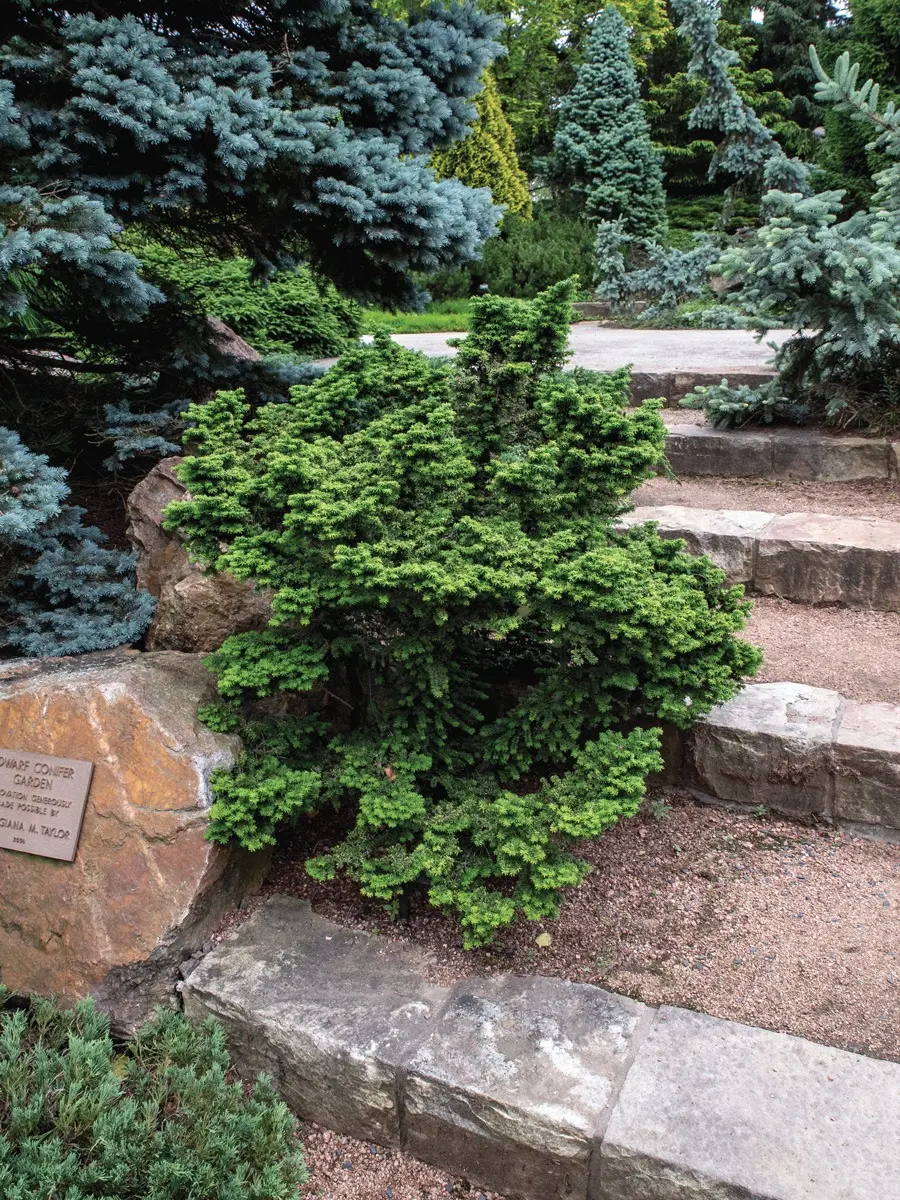
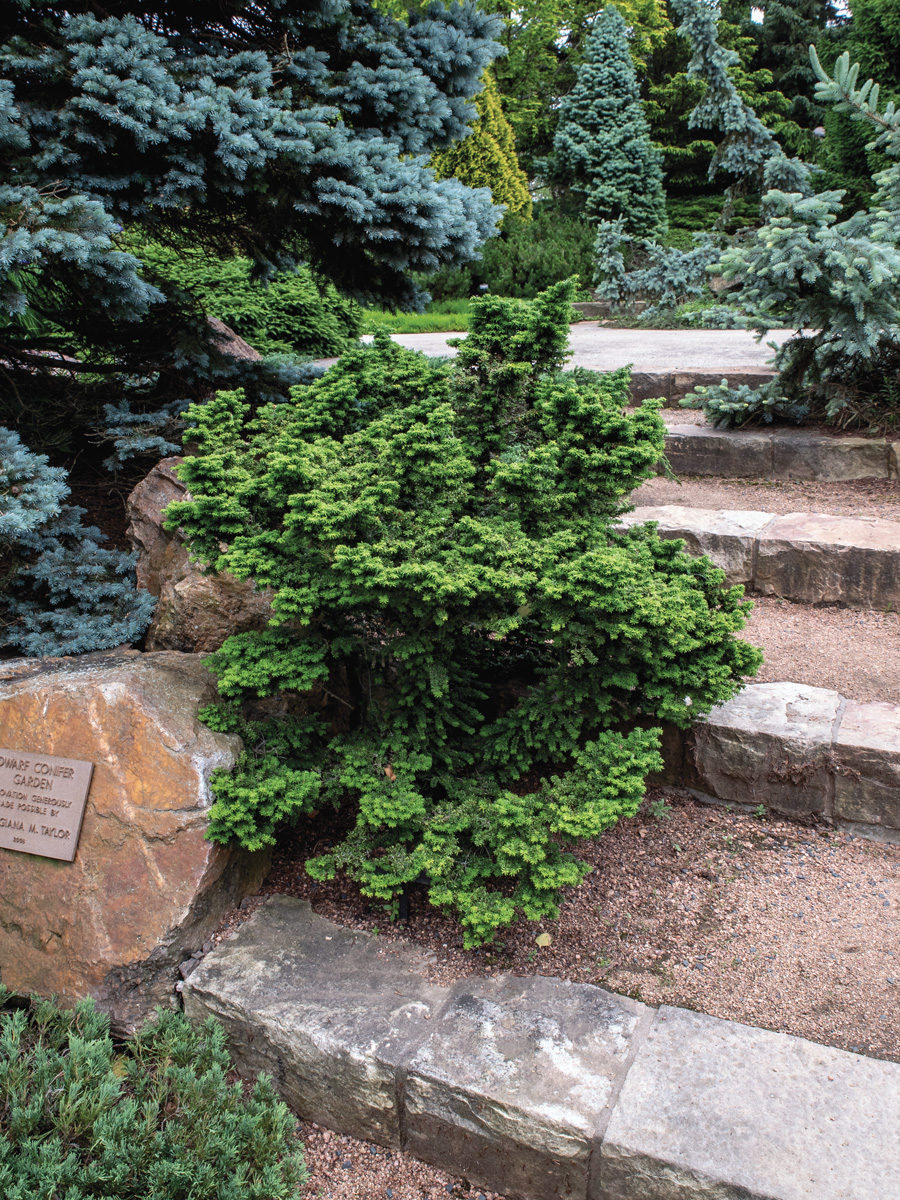
For structural depth and year-round interest, the ‘Hussii’ Canadian hemlock offers a distinctive architectural silhouette. First discovered by noted plantsman and landscape architect John Francis Huss around the turn of the twentieth century, this dwarf cultivar has proven its longevity and resilience in historic landscapes. Specimens can be admired in their full maturity at over sixty years old within the established gardens at Long Hill in Beverly, Massachusetts.
Described as tufted and somewhat funky in its growth habit, ‘Hussii’ grows at a remarkably slow pace, eventually reaching a height of around 40 feet in deep maturity, though it typically stands at a manageable 5 feet tall after its first decade and roughly 20 feet after four decades. Its short needles are tightly bundled along ascending stems, creating a dense appearance when young that gradually opens up as the tree ages. Because it remains diminutive for an extended period, it frequently finds a home in rock gardens or is utilized in bonsai cultivation. An added advantage for Northeast property owners is its capacity to thrive in moderate shade, where its growth rate slows further and its branching habit becomes delightfully more open.
‘Gold Bullion’ stinking hellebore
Gardeners constantly seek ways to illuminate shadowy corners of their landscapes, and foliage with a golden hue remains one of the most effective tools for drawing the eye. The ‘Gold Bullion’ stinking hellebore is a cultivar that delivers on this front, featuring intensely yellow new foliage that gradually softens to a lighter green as the growing season advances.
Though it can occasionally require a bit of searching to source, it is remarkably easy to cultivate when planted in partial shade or dappled sunlight. It thrives in well-drained, organic soils and demonstrates strong drought tolerance once its root system is fully established. In very early spring, bell-like blooms emerge above the deeply cleft evergreen leaves. These flowers appear in loose clusters, displaying pale green or chartreuse tones accented by striking splashes of ruby red along both the stems and the blossoms. Furthermore, allowing the plant’s seeds to ripen naturally can yield new seedlings that reliably come true to form, offering gardeners an organic way to expand their collection over time.