As households across the country continue to navigate fluctuating energy markets and mounting living costs, homeowners are increasingly turning to home improvements that offer tangible, long-term financial relief. Among the most effective and reliable strategies gaining attention is cavity wall insulation, an established home efficiency measure designed to drastically curb heat loss, slash energy consumption, and enhance indoor comfort year-round.
Unlike traditional insulation methods that focus on roof spaces or internal surface upgrades, cavity wall insulation targets the hidden gap—known as the cavity—that exists between a building’s interior and exterior walls. Typically measuring between 50mm and 100mm wide, this structural void can act as a thermal highway for escaping heat if left untreated. By filling this space with specialized insulating materials, property owners can establish a robust thermal barrier that keeps warmth trapped inside during the biting cold of winter while blocking excessive heat gain during the summer months.
Industry experts and environmental studies consistently highlight the financial advantages of this upgrade. According to recent data, properly installed cavity wall insulation can trim up to 25% off a household’s annual heating bills. For the average family, these reductions translate into substantial monetary savings that accumulate over the lifetime of the material, effectively transforming a significant upfront home improvement expense into a prudent financial investment.
What is Cavity Wall Insulation?
At its core, cavity wall insulation is the process of filling the empty space between the inner and outer masonry leaves of a building’s exterior walls. This gap, standard in many brick-built properties constructed from the mid-20th century onward, was originally designed to prevent moisture from bridging the exterior to the interior. However, uninsulated cavities allow large amounts of thermal energy to conduct outward, forcing heating systems to work harder and consume more fuel to maintain a comfortable indoor temperature.
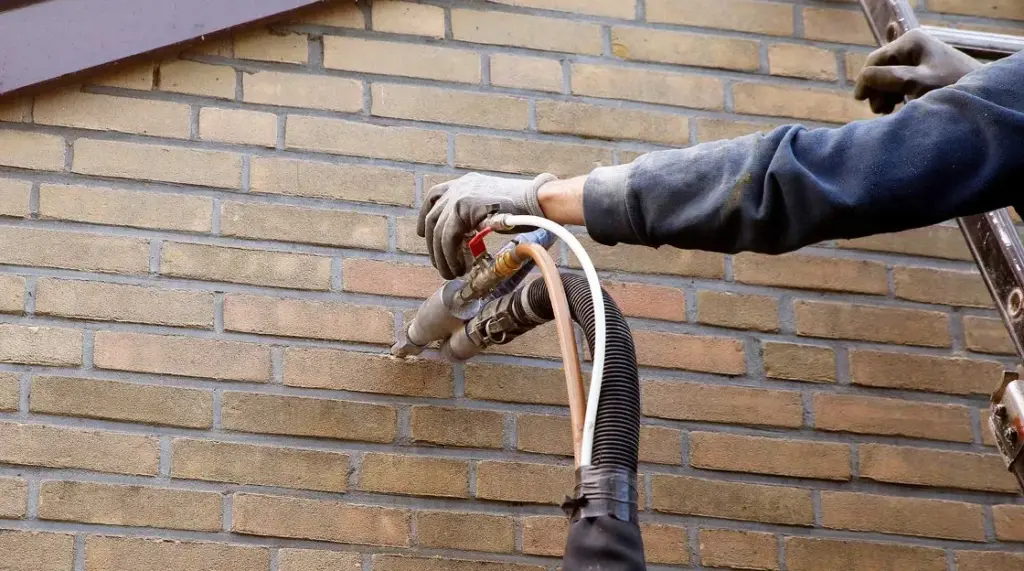
Professionals generally employ one of two primary installation techniques to fill these voids: the blown method or the injected method. Blown insulation relies on specialized pneumatic equipment to propel lightweight materials, such as mineral wool or expanded polystyrene beads, into the cavity through strategic access points. Alternatively, the injected method involves drilling a grid of small holes into the exterior mortar joints and pumping the insulating medium directly into the gap under controlled pressure. Both techniques are highly effective and adaptable to a wide array of residential building designs.
Benefits of Cavity Wall Insulation
The advantages of retrofitting a home with cavity wall insulation extend far beyond simple temperature regulation, offering multi-layered benefits for homeowners, family comfort, and environmental sustainability.
Reduced energy bills stand out as the most immediate and attractive benefit for cash-strapped households. By shutting down the primary routes of heat loss through exterior walls, homes retain warmth far more efficiently. According to the Energy Saving Trust, standard installations can save homeowners anywhere from £180 to £690 per year on their heating bills, depending on the property type and current energy usage. Given that insulation materials typically boast a functional lifespan of around 25 years, these annual savings compound into thousands of pounds over time.
Beyond financial returns, the upgrade delivers a noticeable boost to daily living standards. Insulated walls eliminate internal cold spots and significantly reduce cold drafts near exterior boundaries, creating a more stable and pleasant indoor climate throughout the changing seasons.
In addition to personal comfort, the reduction in fuel consumption plays a vital role in lowering household carbon footprints. As governments and communities push toward broader environmental and climate targets, curbing domestic greenhouse gas emissions through thermal efficiency remains one of the most direct ways individuals can contribute to a sustainable future.
Furthermore, energy efficiency has become a major selling point in the modern real estate market. Properties equipped with certified cavity wall insulation often command higher valuations and attract prospective buyers who are increasingly prioritizing low energy overheads and favorable energy performance ratings.

The Cost of Cavity Wall Insulation
While the financial returns are clear, homeowners must weigh them against the initial capital outlay required for installation. The total cost of the project varies depending on several variables, including the physical dimensions of the property, the chosen insulation medium, and the specific installation approach required by the structure.
On average, homeowners can expect to pay between £900 and £1,200 for a standard semi-detached house. Larger detached properties will naturally incur higher costs, while smaller flats or terraced homes may require a smaller investment. Industry professionals emphasize that while these initial figures may appear substantial, they should be viewed through the lens of long-term amortization. The money saved on monthly utility bills, combined with potential enhancements to overall property value, ensures that the investment ultimately pays for itself.
How to Know if Your Home Needs Cavity Wall Insulation
Not every residential property is structurally compatible with cavity wall insulation. Older buildings—particularly those constructed before the widespread adoption of cavity walls in favor of solid brick construction—lack the necessary gap entirely. Conversely, some modern homes may feature cavities that are too narrow or obstructed by construction debris to be filled safely.
Determining a property’s suitability requires a professional assessment. Homeowners interested in the upgrade are advised to contact certified insulation specialists capable of conducting thorough borescope surveys and structural inspections. These experts can evaluate the condition of the walls, identify any existing moisture issues, and recommend the most appropriate intervention. Notably, properties constructed from the 1990s onward frequently feature insulation installed during the original build phase, eliminating the need for retrofitting.
The Installation Process and Choosing Professionals
Installing thermal barriers within structural walls is a specialized task that demands professional-grade equipment, technical expertise, and strict adherence to building standards. Attempting such work without proper training risks uneven coverage, bridging of moisture, and ventilation issues that can lead to severe structural dampness.
Selecting a reputable installation firm is critical to ensuring the work is executed correctly. Established specialists—such as Dyson Energy Services, which has been providing residential energy-saving solutions across the UK since the early 1980s—employ trained technicians who follow rigorous quality control protocols from the initial survey to the final mortar repair.
When evaluating materials, contractors typically look at options such as mineral wool, expanded polystyrene beads, and specialized foams. Each material possesses unique thermal performance characteristics, moisture resistance properties, and cost implications. Foam solutions, for example, are frequently recommended for properties situated in exposed coastal or high-precipitation regions due to their superior resistance to wind-driven rain.
Maintenance and Upkeep
One of the defining advantages of cavity wall insulation is its passive nature. Once successfully installed within the structural void, the material requires virtually no active maintenance or periodic servicing.
However, vigilance remains important. Homeowners should routinely monitor their interior walls for any emerging signs of dampness, peeling wallpaper, or localized mold growth. Because moisture penetration can occasionally occur if external brickwork or flashing fails, any unusual internal dampness should be investigated immediately by a qualified professional to ensure the integrity of the insulation barrier remains uncompromised.
Long-Term Value and Economic Impact
The financial argument for cavity wall insulation rests firmly on the compounding nature of household savings. With average heating expenditures climbing, a potential 25% reduction in annual heating costs represents a significant shield against market volatility. For a household currently spending £1,000 annually on home heating, preserving up to £250 each year accumulates into thousands of pounds in preserved capital over the operational life of the insulation.
Ultimately, cavity wall insulation remains a cornerstone residential improvement for those seeking to balance domestic comfort with economic prudence. By addressing heat loss at its structural source, homeowners can secure immediate utility savings, enhance their daily living environment, and make a meaningful contribution to long-term energy conservation efforts.