In the ever-evolving landscape of contemporary art criticism and literature, few voices manage to bridge the gap between rigorous scholarship and profound emotional resonance quite like poet and scholar Alexis Pauline Gumbs. Readers who traversed the imaginative and intellectual depths of Gumbs’s previous work, such as Undrowned, will recall her remarkable ability to forge unexpected yet entirely convincing connections between marine mammal life and Black feminist thought. For many readers who grew up captivated by the ecosystems of the sea, Gumbs unlocked an entirely fresh framework for viewing the collective human fascination with aquatic environments, translating ecological survival into a lens for social justice and liberation.
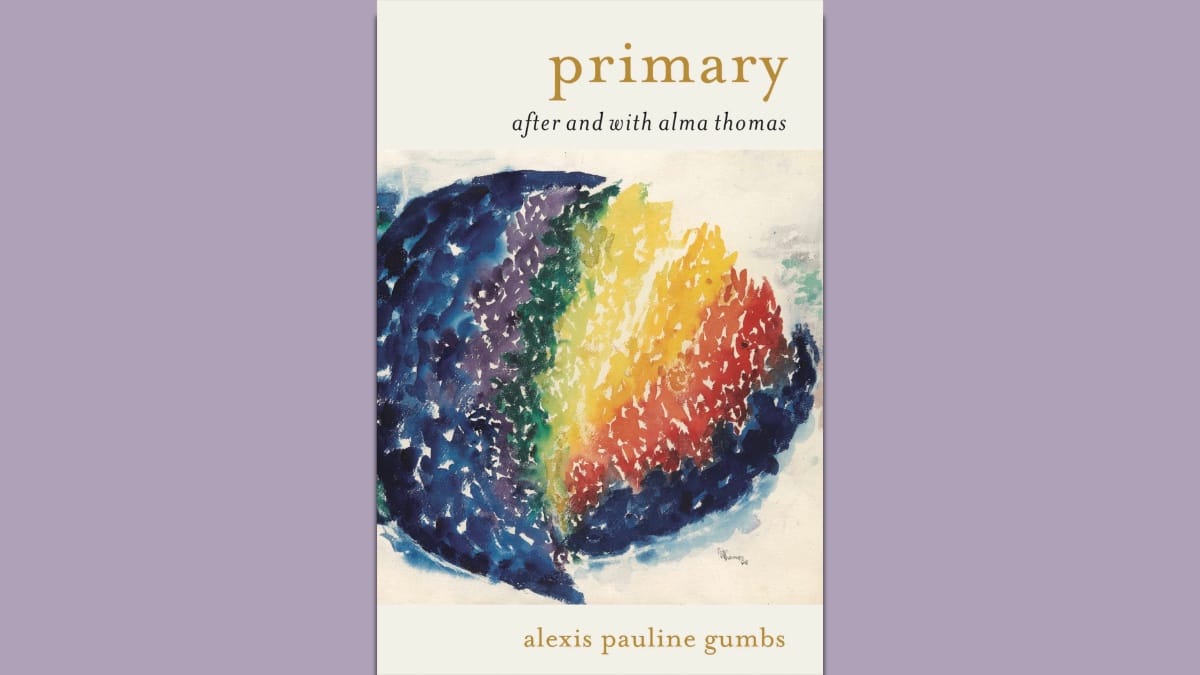
Now, Gumbs turns her characteristic tenderness and analytical depth toward the visual arts in a new project focused on the late painter Alma Thomas. In Primary: After and With Alma Thomas, Gumbs explores the vibrant canvases that cemented Thomas as a towering figure in American art history. Where mainstream art criticism often relies on formalist distance, Gumbs approaches Thomas’s work with an intimate cultural vocabulary. Drawing upon the foundational writing of historian Richard J. Powell, Gumbs reframes Thomas’s famous color fields, connecting them to familiar motifs like braids, heirloom corn, and the deeply rooted historical systems of the Black diaspora.

In an exquisite excerpt featured in this literary season’s discussions, Gumbs theorizes how these visual patterns ground much of Black diasporic culture, ultimately pointing toward the enduring art of sistering. This poetic and biographical synthesis allows readers to see Thomas’s work not merely as abstract exercises in color and geometry, but as living expressions of cultural inheritance. The cornrows evoked in Thomas’s paintings—often inspired by her own garden—draw direct parallels to the infinitely diverse ears of native corn and the communal sisterhood of braiders stretching across generations and geographies. By opening up these cultural crowns, Gumbs invites a reconsideration of how Black women artists encode memory, lineage, and environment into abstraction.
This deep engagement with marginalized aesthetics and cultural politics extends into other notable new releases, including author Sophie Lewis’s Femmephilia: Love Letters to Trans Mermaids, Queer Mothers, and Marilyn Monroe. Lewis’s latest work wades directly into the politics and erotic power of femme aesthetics—a mode of expression that, despite its widespread cultural visibility, continues to face rejection, skepticism, and outright ridicule even within certain contemporary feminist circles. In a critical review accompanying the literary roundup, critic Eileen G’Sell engages with Lewis’s passionate defense of femininity, exploring the perpetual cultural anxieties surrounding glamour, authenticity, and adornment. Lewis refuses to view femininity as an enemy of feminist liberation; instead, she positions femme performance and identity as vital sites of political imagination, solidarity, and radical care, particularly for trans mermaids and queer mothers navigating hostile social terrain.
The broader literary conversation this season also confronts heavier, more harrowing historical realities. Among the works receiving critical attention is Dana Mashoian Walrath’s The Book of Genocides, a text that invites deep reflection on collective trauma, historical memory, and the mechanics of systemic violence. In a candid assessment of the book, critic Noah Fischer examines how Walrath approaches the monumental weight of genocide through narrative and art, grappling with the ways societies document, remember, and attempt to heal from historical atrocities.
Beyond individual book releases, the cultural ecosystem continues to expand in unexpected ways, touching local communities and institutions alike. In Brooklyn, the public library system has introduced a pioneering resource for local creatives and hobbyists with the launch of its very first craft supply library. Designed to increase accessibility to the arts and encourage hands-on making, the initiative provides community members with the tools, materials, and space necessary to engage in artistic production without the financial barriers typically associated with specialized crafts.
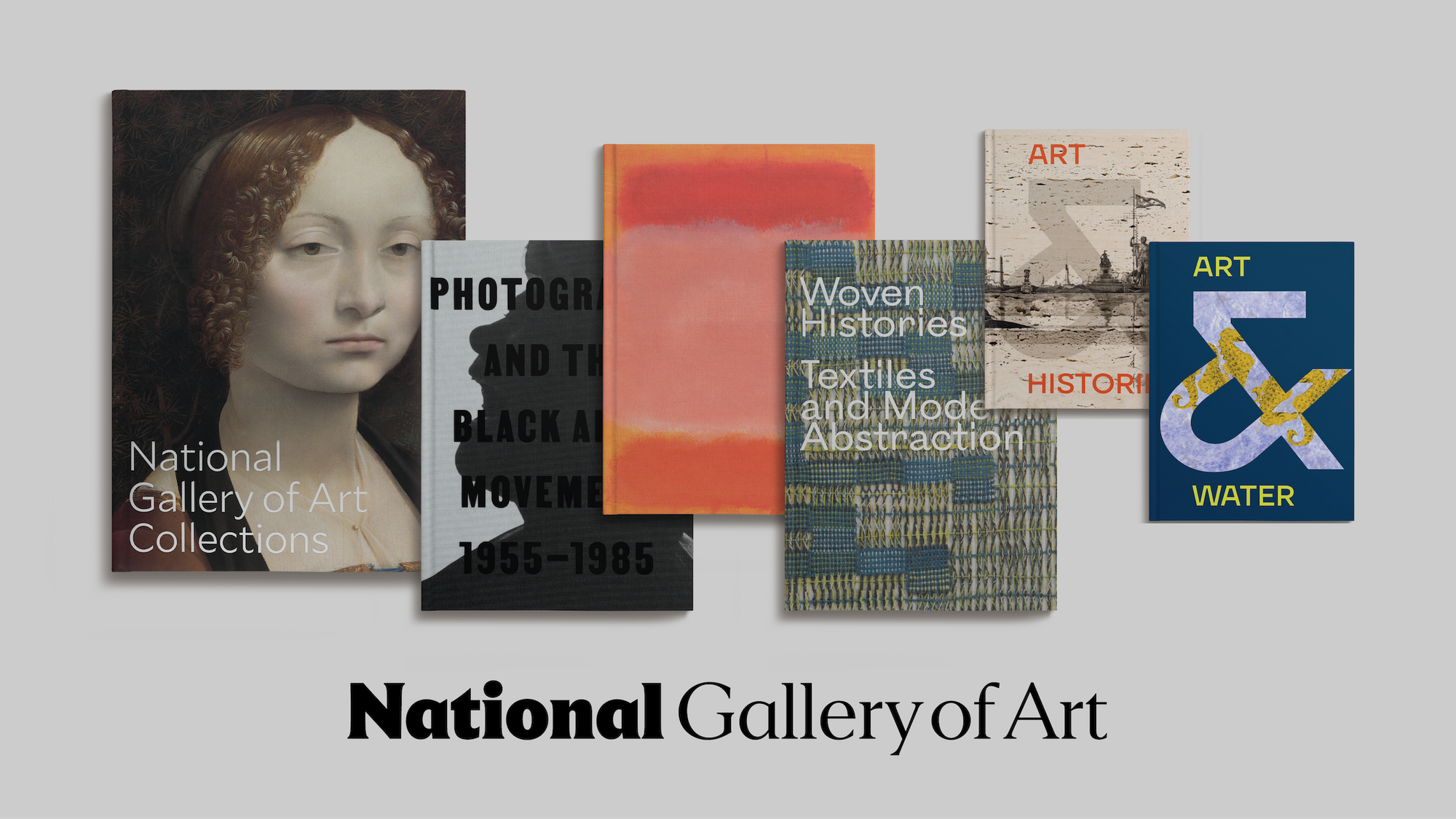
As autumn reading lists fill up with ambitious new titles ranging from monumental art exhibition catalogs produced by institutions like the National Gallery of Art to experimental feminist theory and poetry, critics and editors find themselves navigating a dense forest of creative output. Whether it is through rediscovering the geometric garden rhythms of Alma Thomas, theorizing the radical potential of femme aesthetics, or expanding institutional access to the tools of art-making at the local library level, contemporary literature and criticism continue to demonstrate how deeply culture is intertwined with the politics of visibility, community, and care.