The San Francisco Bay Area art scene is navigating a transitional and turbulent period, defined by high-profile corporate acquisitions, sudden non-profit closures, and resilient community-driven comebacks. As the region moves through a year marked by economic volatility and institutional reshaping, the upcoming fall season offers a compelling look at the strength and adaptability of local creators and cultural spaces.
This autumn, local institutions are leaning heavily into the Bay Area’s unique strengths. The calendar highlights vital contributions from regional icons such as Dewey Crumpler, alongside activist artists working across comics, book arts, and sculpture. At the same time, major blockbuster offerings—including a powerful survey by Dread Scott and a lavish retrospective of legendary designer Azzedine Alaïa—promise to draw broad audiences. Anchored by the third annual Nexus: SF / Bay Area Black Art Week, this dynamic slate of exhibitions is setting an energetic tone for the region’s cultural landscape as it prepares for a robust comeback in 2027.
Recent months have brought both severe challenges and hopeful resurgences to the local arts ecology. The California College of the Arts (CCA) was notably purchased and rebranded by NVIDIA CEO Jen-Hsun (Jensen) Huang, a transaction that many in the community viewed with concern as a hostile tech-money takeover of an academic institution. Meanwhile, SF Camerawork, the region’s storied photography non-profit, sent shockwaves through the community when it abruptly announced its closure, though it later fortuitously reopened under new leadership and a restructured board.
Despite these disruptions, the current exhibition season reflects a thriving network of galleries, alternative spaces, and educational institutions determined to showcase critical contemporary art.
Closer Reading: Three Bay Area Book Artists
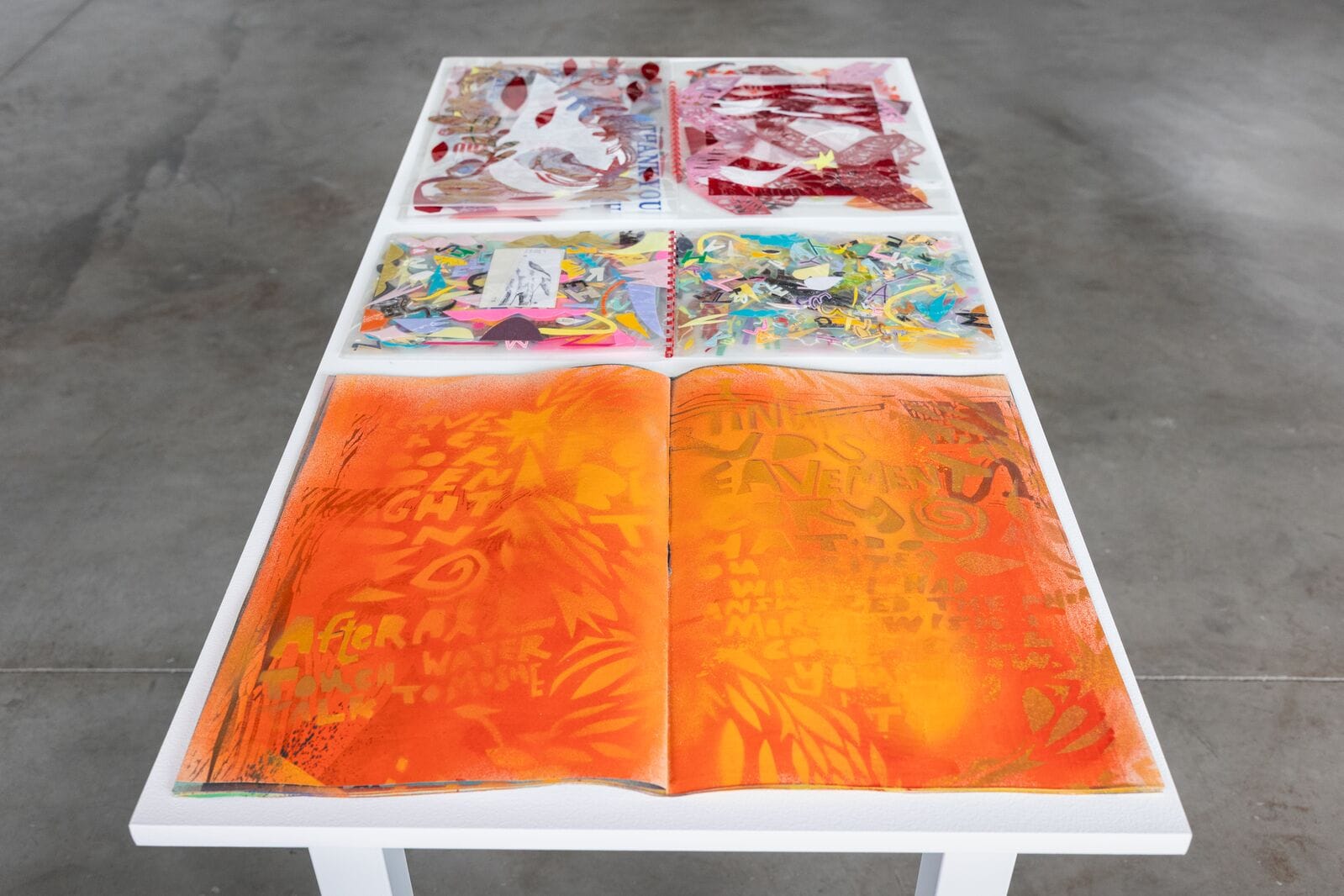
Among the season’s early highlights is Closer Reading: Three Bay Area Book Artists, hosted at the California College of the Arts Campus Gallery, located at 1480 17th Street in San Francisco. Running through October 23, the exhibition is supported by the San Francisco Advocacy for the National Museum of Women in the Arts.
The exhibition brings together the distinct practices of three prominent Bay Area book artists: Vivian Sming, Macy Chadwick, and Kate Laster. Each body of work operates at a different intersection of art, printmaking, and publishing, encompassing artists’ books, independent publishing initiatives, and politically engaged print media. By convening these contemporary bookmakers, Closer Reading directly taps into the Bay Area’s rich, decades-long history of avant-garde book art, small-press publishing, and radical print culture. The show highlights how these artists use the physical medium of the book not merely as a container for text, but as a sculptural, political, and intimate space for storytelling and conceptual exploration.
Character Development
Further anchoring the fall season is Character Development, a major collaborative exhibition presented across KADIST and the Minnesota Street Project, located at 1201 Minnesota Street in San Francisco. The exhibition runs through October 31.
The closure of KADIST’s physical gallery space in San Francisco last year dealt another severe blow to the local commercial and independent gallery scene, which has struggled against rising operational costs and shifting economic tides. This fall, however, KADIST’s partnership with the Minnesota Street Project marks a welcome and strategic return for the organization through its first pop-up show.
Character Development brings together six contemporary video artists who explore pressing social and political issues through the lenses of film history, narrative subversion, and experimental installation. The exhibition features prominent international and local names, including Martine Syms and Alex Da Corte, whose works interrogate the construction of identity, media representation, and the lingering influence of popular culture. By utilizing the expansive spaces of the Minnesota Street Project, the exhibition reestablishes KADIST’s vital curatorial voice within the Bay Area, proving that experimental programming can successfully adapt and thrive outside of permanent white-cube architecture.
Together, exhibitions like Closer Reading and Character Development, alongside forthcoming retrospectives across the region, demonstrate that the Bay Area art community remains deeply engaged with contemporary discourse. As institutions large and small navigate the financial and structural realities of a post-pandemic, tech-adjacent landscape, the resilience of artists, curators, and grassroots organizers continues to chart a steady course forward.