Chosen from an impressive pool of more than 1,200 submissions originating across 91 countries, the top 10 finalists for the Seoul Design Award have been officially announced, shining a global spotlight on pioneering projects dedicated to sustainable daily living. Built to honor designs that successfully support a delicate balance between people, society, and the environment, the prestigious international competition elevates creative works that tackle some of the world’s most urgent social and ecological challenges. In a significant departure from traditional closed-door judging formats, the program brings the ten shortlisted teams directly to the iconic Dongdaemun Design Plaza in Seoul on October 14 for high-stakes, on-stage evaluations.
In an effort to expand public involvement and democratize the selection process, the organization has officially launched its online global public voting phase. This digital initiative invites audiences from all over the world to cast their votes, standing alongside the expert international jury to help determine the ultimate winner. The integration of real-time jury assessments with widespread global public voting effectively transforms the award into an open, highly interactive exchange concerning the future trajectory of sustainable design.
Established as a key initiative operating within Seoul’s broader UNESCO Creative City of Design legacy, the award measures entries primarily by their tangible social utility and ecological impact rather than prioritizing commercial gain or market viability. The live top 10 competition features a distinguished nine-member international jury on stage, including prominent industry leaders such as Mauro Porcini, President and Chief Design Officer at Samsung Electronics; Sungwon Jee, Chief Marketing Officer and Executive Vice President at Hyundai Motor Company; Andrea Cancellato, Director of the ADI Design Museum; and Martin Zelger, Chief Executive Officer of DAAily platforms AG and designboom.
Expanding the scope of this year’s program even further, three designboom Special Prize winners will be formally recognized during the proceedings. These selected designers will receive dedicated editorial coverage, ensuring that both their innovative projects and their overarching design philosophies gain enhanced global visibility.
NINE-MEMBER JURY LEADS ON-STAGE EVALUATIONS AT THE SEOUL DESIGN CONFERENCE
The live evaluation forms a core component of the broader Seoul Design Conference 2026, which is held under the guiding theme "THINK · MAKE · CHANGE." Hosted at the Dongdaemun Design Plaza, this comprehensive full-day event explores the multifaceted ways in which creative fields must respond to rapid global shifts and environmental crises. Beyond the live competition pitches, the conference schedule features in-depth presentations from the inaugural recipients of the ESG Design Impact Award. These organizations include Hyundai Motor Company, Patagonia, athome, and RHINOSHIELD, all of which present critical insights into corporate sustainability systems and regenerative business practices.
Furthermore, a dedicated session co-hosted in partnership with the United Nations Environment Programme (UNEP) examines pressing international policies and regulatory frameworks designed to foster circularity within the electronics sector. As technology consumption continues to rise globally, the session addresses the urgent need for systemic industrial transformation.

Bringing the conference to a forward-looking close, Session 3 provides attendees with an exclusive first look at the upcoming World Design Congress Seoul 2027. This segment culminates in a special ceremony to unveil the official brand identity for the congress. Designed specifically to reflect dynamic connectivity and circular thinking, the newly revealed visual identity sets the foundational strategic direction for Seoul’s next chapter as a preeminent global design epicenter. It serves as a testament to how thoughtful visual communication and strategic action can successfully inspire long-term, systemic change across international borders.
SCALING MATERIAL INNOVATION AND COMMUNITY RESILIENCE FOR A CIRCULAR FUTURE
A closer look at the top 10 finalists reveals a definitive global shift toward community-driven resilience and deeply integrated circular design systems. Emphasizing localized social impact, several standout projects focus on providing practical relief and structural support to vulnerable populations and underserved communities. Among these is the Otter Newborn Warmer, a portable, conductive medical device engineered specifically to prevent neonatal hypothermia in low-resource healthcare settings where traditional incubators are unavailable or impractical.

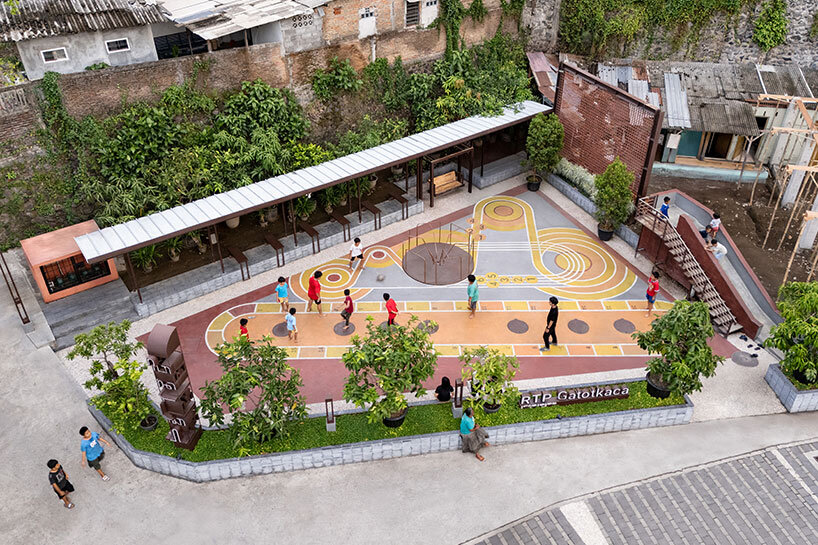
Similarly, WheeLog! operates as an innovative crowdsourced accessibility platform that empowers wheelchair users to map out and navigate urban mobility barriers in real time, transforming urban transit data through collective lived experiences. In architectural, urban, and cultural contexts, Kampung Mrican Phase 1 applies targeted, sensitive design interventions to revitalize a dense and historically neglected riverfront village in Yogyakarta, Indonesia.
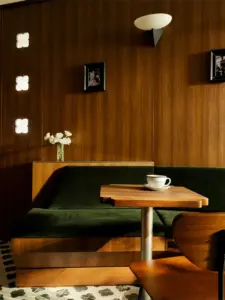
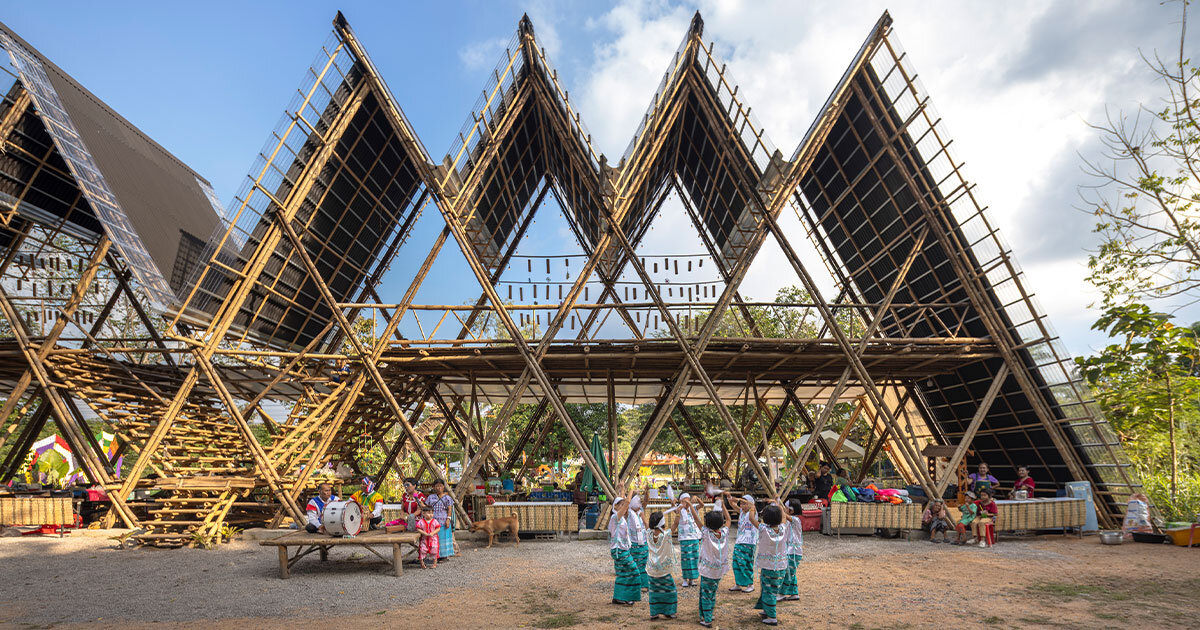
Further expanding into cultural preservation and local economies, the Na-Eh Karen Cultural Market establishes a community-owned forest food hub that actively celebrates and sustains Indigenous Karen identity and traditional ecological knowledge. On the material science front, Suber Design ingeniously converts recycled cork into high-grade circular furniture, a manufacturing process that is proudly produced and sustained by disadvantaged social groups, thereby merging material innovation directly with social inclusion.
In parallel, industrial and material innovations demonstrated by the remaining finalists illustrate how circularity can successfully scale across industrial manufacturing, municipal waste management, and fragile marine ecosystems. The Lavazza Group introduces Tablì, a product that radically redefines single-serve capsule coffee by utilizing pure coffee material entirely free from traditional plastic or aluminum waste, thus eliminating common household single-use pollutants.
Meanwhile, LAKAT Sustainable Sneakers transforms agricultural pineapple by-products and natural rubber into high-performance footwear, proving that agricultural waste streams hold viable potential for the fashion industry. On a broader systemic scale, the Process-Controlled Waste Sorting Rear Module, known as ET35, directly connects public recycling drop-off infrastructure to frontline municipal sanitation operations.

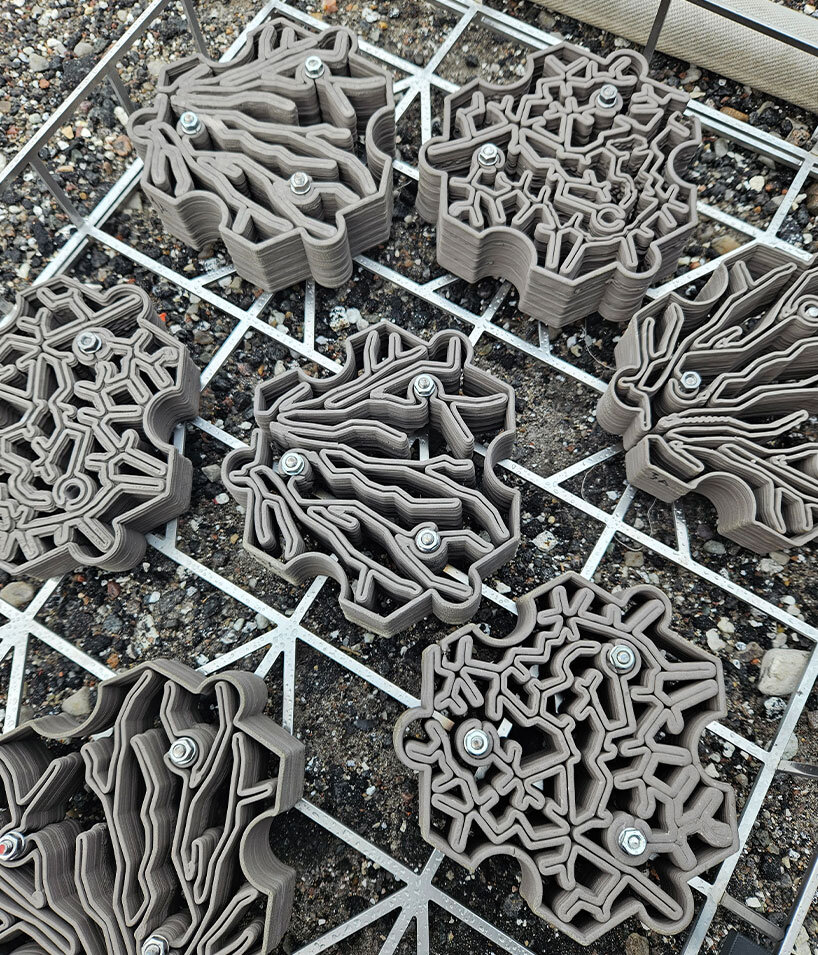
In the realm of material tracking and marine restoration, SMALLrevolution pioneers a closed-loop tracking mechanism that converts post-consumer plastic waste into thoroughly documented raw materials for future production cycles. Finally, Reef Tiles, developed by ReefCircular, pairs region-specific computational design with sustainable materials to construct structural tiles that actively support and restore fragile marine ecosystems through targeted underwater installation.
As these diverse projects take center stage in Seoul, the combination of expert jury evaluations and global public voting ensures that the conversation surrounding sustainable design remains both rigorous and inclusive. The ongoing events at the Dongdaemun Design Plaza underscore Seoul’s enduring commitment to fostering design solutions that prioritize ecological stewardship, social equity, and long-term human well-being.