Outdoor wood structures add a distinct sense of warmth, natural beauty, and long-lasting functional utility to residential and commercial properties alike. However, these benefits can be short-lived if the timber is not properly protected from the relentless assault of moisture, insects, and seasonal weathering. Whether property owners are maintaining a backyard shed, an architectural pergola, a functional greenhouse, or a raised garden bed, understanding the root causes of wood decay—and learning how to effectively stop it—can dramatically extend the lifespan of their initial investment.
To understand why certain materials endure while others quickly fail, experts point to the fundamental biological processes that cause timber to degrade. Wood decay occurs when specific types of fungi break down the complex cellular structure of timber. For these destructive fungi to survive, germinate, and thrive, they require a precise combination of elements: adequate moisture, sufficient oxygen, moderate environmental temperatures, and, most importantly, a steady food source, which is the wood itself.
Once these decay fungi become active within a timber structure, they systematically weaken the core wood fibers. This biological breakdown manifests visibly through noticeable color changes, an increase in surface and subsurface softness, and the development of cracks, checking, and severe structural instability. Beyond fungal decay, wood degradation encompasses a wide array of non-biological environmental pressures. These include continuous ultraviolet exposure from the sun, the harsh mechanical wear of weathering, infestations by wood-boring insects, and the constant threat of fire. When acting in unison, these environmental elements accelerate physical wear and significantly diminish the operational lifespan of any outdoor structure.
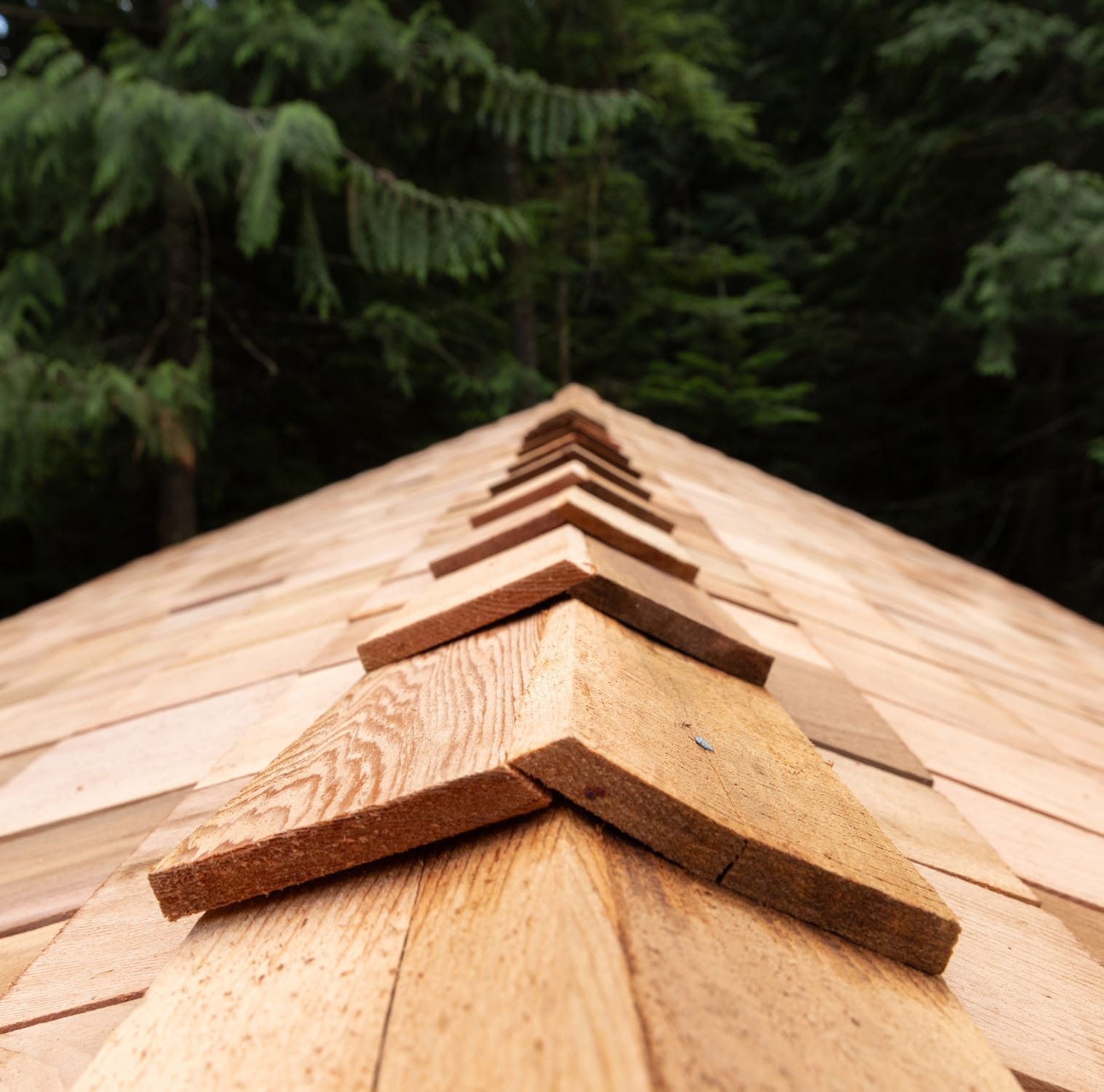
To combat these pervasive threats, builders and homeowners have long debated the merits of various timber species. Among the top-performing materials available for outdoor construction, Western Red Cedar has consistently emerged as a preferred choice for high-end and utilitarian projects alike. Known scientifically as Thuja plicata, Western Red Cedar possesses a unique set of natural chemical and physical properties that allow it to hold up remarkably well against the elements without relying heavily on synthetic chemical preservatives.
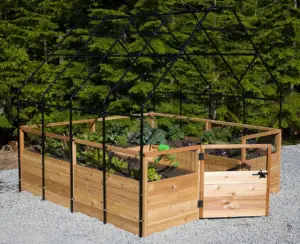
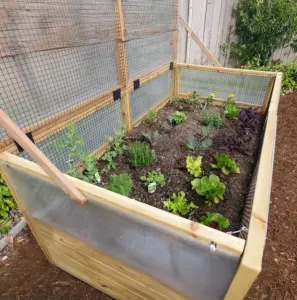
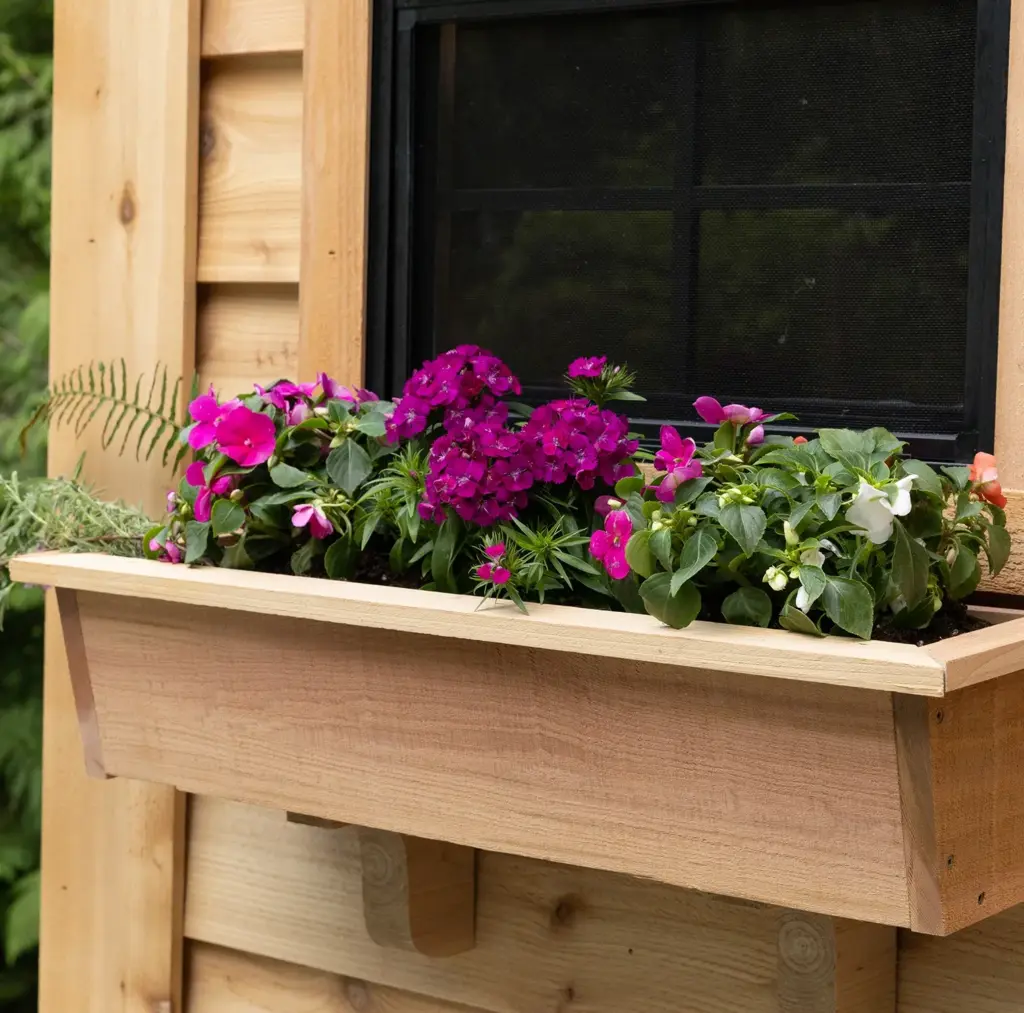
Because of its inherent natural durability, stability, and dimensional integrity, cedar is frequently specified for a wide range of outdoor applications, including backyard storage sheds, decorative and functional pergolas, hobby greenhouses, raised garden beds, children’s playhouses, and durable outdoor furniture. For property owners seeking a high degree of longevity paired with minimal ongoing maintenance requirements, Western Red Cedar remains one of the most reliable and efficient material choices on the market.
Despite the natural resilience of premium wood species like cedar, preventing structural degradation requires a comprehensive approach to maintenance and environmental management. Industry specialists emphasize that moisture remains the single greatest catalyst for wood decay. Even when utilizing naturally durable woods or pressure-treated lumber—which offers a degree of chemical defense against rot—moisture control is an absolute necessity because chemical preservatives alone cannot completely stop water absorption over time.
To effectively reduce moisture exposure, property owners must implement proactive measures designed to keep timber dry and well-ventilated. Ensuring proper site drainage, elevating structures off damp ground, maintaining clear airflow around walls and posts, and promptly clearing away accumulated debris, leaves, and soil can drastically slow down fungal activity and prevent premature rotting.
When localized rot does appear on an outdoor structure, early detection and aggressive intervention are critical to stopping it from spreading. If property owners notice soft spots or discoloration, the affected areas must be addressed immediately. Early treatment stops the fungal infection from migrating into neighboring structural components, saving the wider installation from extensive damage or costly replacements.
Beyond physical maintenance and moisture control, applying appropriate protective finishes plays a vital role in shielding outdoor wood from UV degradation and weathering. Various finishing options offer distinct levels of protection, aesthetics, and longevity depending on the specific application and exposure levels.
Opaque paints provide exceptional weather protection due to their high pigment content, which acts as a powerful barrier against both moisture and ultraviolet rays. These finishes are typically best applied in a controlled factory setting to achieve a smooth, long-lasting surface film. For those painting wood onsite, careful preparation and multiple coats are required to ensure uniform coverage and adhesion. Opaque paints are ideally suited for highly exposed structures such as standard sheds and open-air pergolas.
For property owners who prefer to showcase the natural grain of the timber rather than concealing it under solid color, wood stains offer a reliable middle-ground option. Wood stains provide good overall protection and moderate UV resistance, making them exceptionally popular for utility sheds, garden beds, and heavily used outdoor furniture. They penetrate the wood fibers while imparting color and defense against the elements, balancing aesthetic appeal with structural durability.
Alternatively, clear varnishes and unpigmented oils are sometimes chosen to highlight the natural beauty of wood grain, though they generally offer only mild protection and low UV resistance. These traditional finishes are typically recommended for interior-facing wood surfaces or heavily shaded outdoor structures where ultraviolet exposure is minimal. Among these, boiled linseed oil is commonly utilized to seal wood and slow down degradation, though it demands careful and consistent application to prevent mildew growth on the surface.
Translucent coatings represent another viable alternative, providing a paint-like protective film while still allowing the underlying wood grain to remain visible. These coatings offer very good protection and good UV resistance, making them well-suited for high-visibility cedar products. However, they require periodic re-application depending on the local climate and environmental exposure to keep the structure fully protected and looking well-maintained.
Ultimately, the longevity of any outdoor wood project is determined long before the first coat of paint or stain is applied. By understanding the biological mechanics of wood decay, managing environmental moisture, and selecting premium, naturally resilient materials like Western Red Cedar, property owners can ensure that their outdoor investments remain structurally sound, visually appealing, and fully functional for decades to come. Handcrafted outdoor structures built from sustainably sourced Western Red Cedar continue to set the industry standard for those looking to combine environmental responsibility with long-term performance in their backyard landscaping and architectural projects.