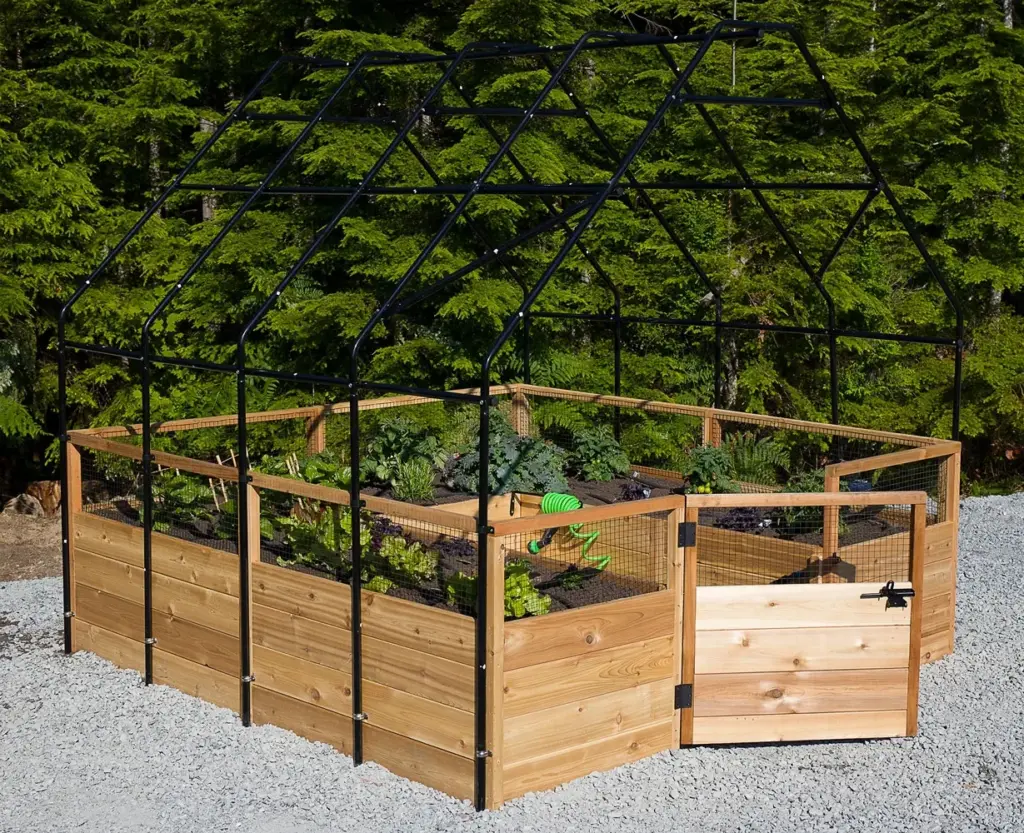
For many home gardeners, the annual growing season often feels frustratingly brief. Spring routinely arrives late, autumn sets in prematurely, and unpredictable weather patterns—ranging from torrential downpours to sudden, unseasonal frosts—can easily derail even the most meticulously planned horticultural efforts. When persistent challenges such as stubborn pests, poor native soil conditions, and restricted outdoor space are factored into the equation, it becomes readily apparent why a growing number of horticultural enthusiasts are turning to greenhouses as a reliable solution.
A well-designed greenhouse establishes a controlled micro-environment that enables growers to cultivate significantly healthier plants, experiment with exotic or unusual varieties, and extend their active growing season well beyond what is normally achievable in an open outdoor setting. Whether an enthusiast’s goal is nurturing delicate seedlings from scratch, cultivating heat-loving crops that struggle in cooler climates, or maintaining a steady supply of fresh culinary herbs throughout the entire calendar year, implementing the appropriate greenhouse structure can make all the difference in overall productivity and plant vitality.
Industry offerings such as Outdoor Living Today’s Western Red Cedar greenhouses successfully blend environmental sustainability, expert craftsmanship, and intelligent architectural design. These structures are specifically engineered to help gardeners establish thriving plant ecosystems that withstand the elements and perform reliably for many years.
Understanding the fundamental requirements for greenhouse gardening allows enthusiasts to cultivate their crops with absolute confidence. Success in this specialized environment relies on a comprehensive approach encompassing the selection of an ideal structural style, meticulous climate management, optimized soil composition, efficient water administration, and ongoing plant health monitoring.
Selecting the Right Greenhouse
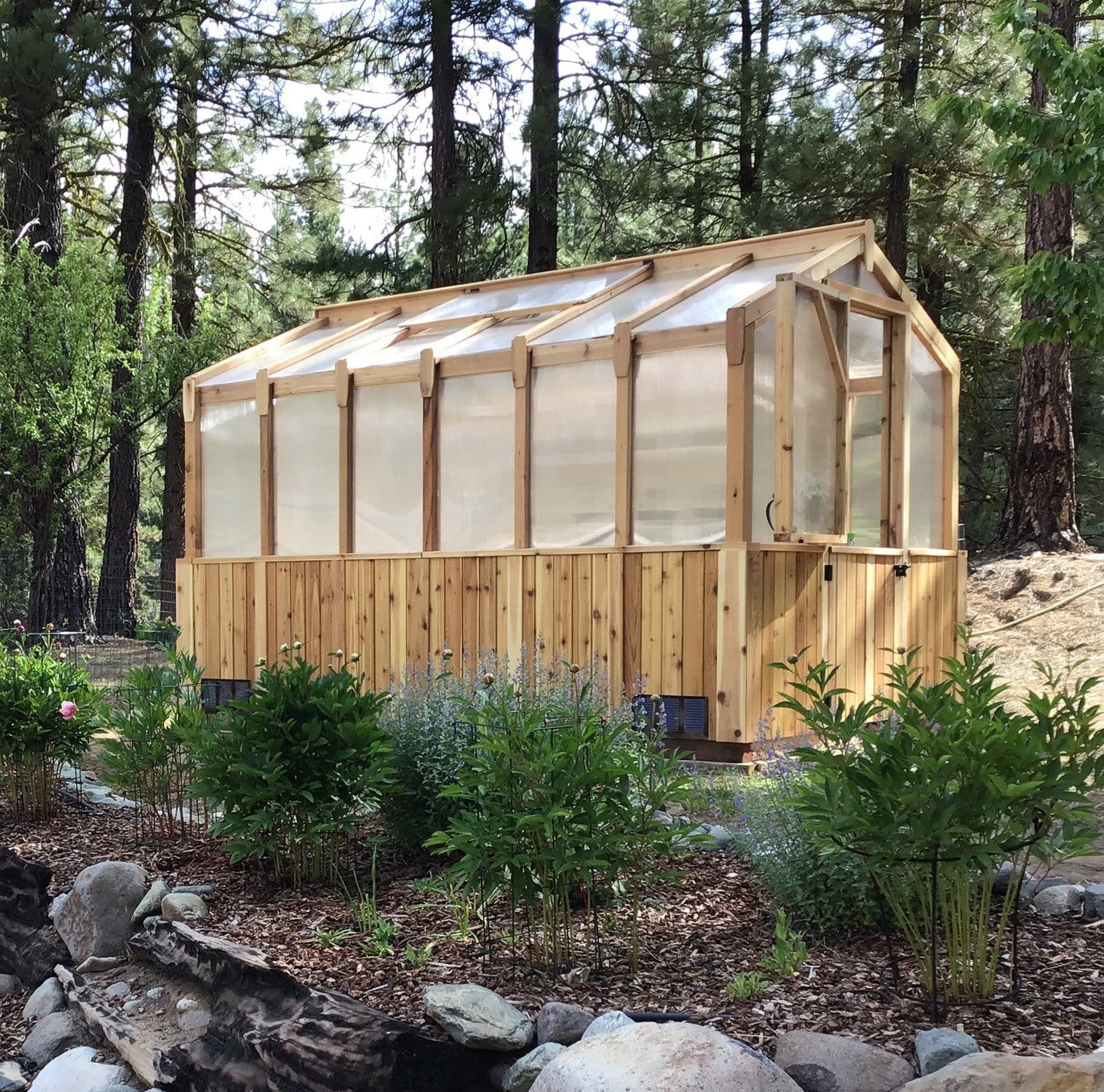
Before planting the very first seed, prospective greenhouse owners must carefully evaluate their options to select a structure that genuinely supports their long-term gardening objectives. Key factors to weigh include the amount of available outdoor property, the financial budget allocated for the project, and the specific categories of plants intended for cultivation. Taking these parameters into account ensures that the chosen structure integrates harmoniously into the landscape while providing the precise temperature, humidity, and light thresholds required by the flora within.
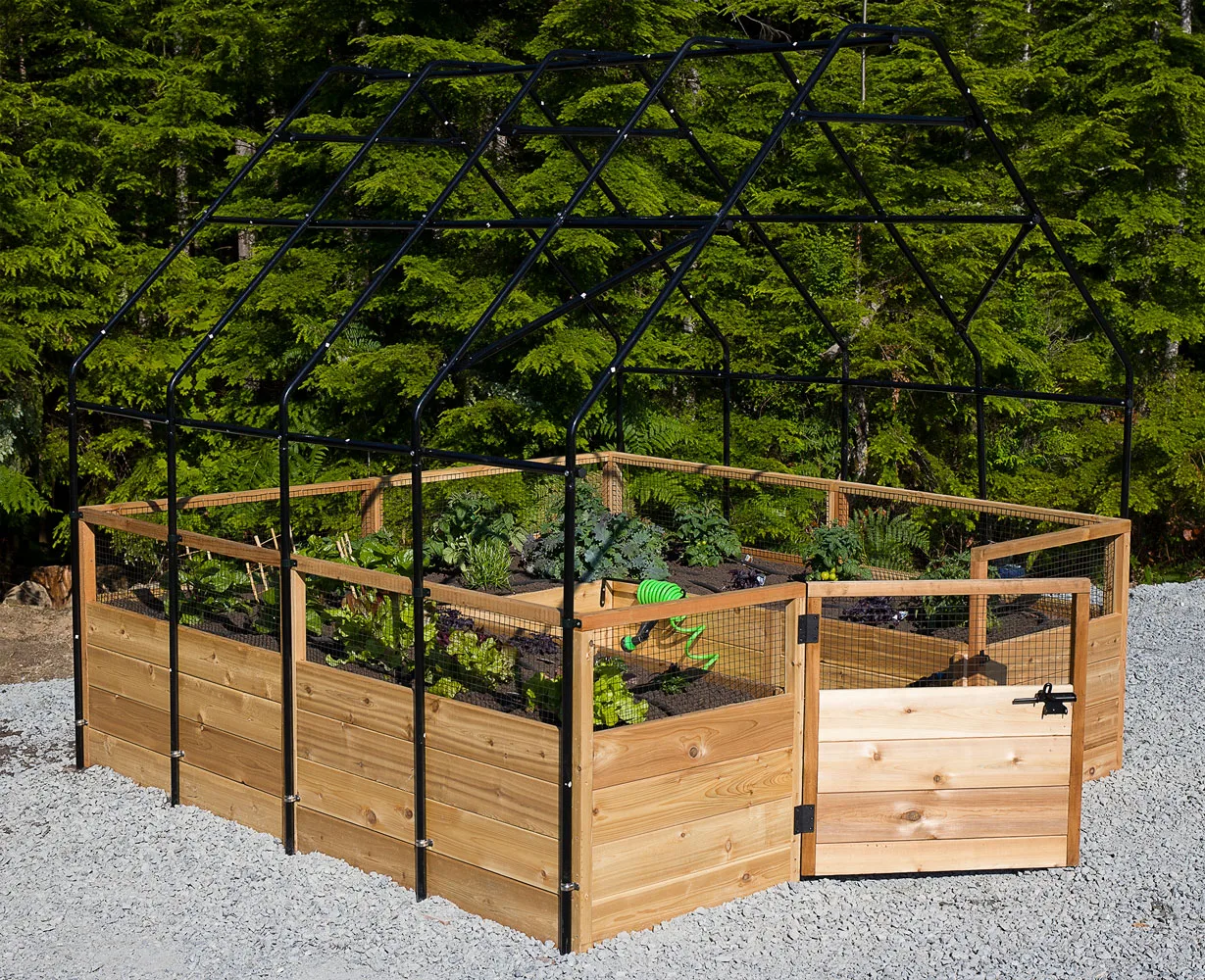
Manufacturers like Outdoor Living Today accommodate various spatial and operational requirements by offering a diverse array of greenhouse dimensions. Their lineup features popular layouts such as the 8-by-8, 8-by-12, 12-by-12, and 12-by-16 Western Red Cedar Greenhouses, alongside specialized SunShed models. Each configuration is crafted to deliver exceptional structural durability, natural thermal insulation, and a classic aesthetic appeal that complements residential properties.
Site Selection and Preparation
Choosing the correct geographical location within a yard is just as critical as selecting the greenhouse structure itself. The placement of the building dictates how much direct sunlight the interior plants will receive, how efficiently the space absorbs and retains ambient warmth, and how conveniently the gardener can manage maintenance tasks throughout all four seasons.
To achieve optimal site placement, experts recommend maximizing sunlight exposure by positioning the structure in a location that receives full sun, ideally facing toward the south to capture the highest possible amount of natural light during the darker winter months. Property owners should also clear away potential light obstructions, such as accumulated debris, low-hanging tree branches, or nearby architectural structures that might cast unwanted shadows across the glazing panels.
Furthermore, establishing a solid, level foundation is paramount to preventing uneven settling over time and preserving the long-term structural integrity of the cedar framing. Implementing a robust weed barrier beneath the foundation footprint is another vital measure, effectively preventing invasive weeds and unwanted vegetation from creeping upward into the base of the greenhouse.
Sustainability: Why Cedar Makes a Difference
Environmental consciousness has become an increasingly significant priority for modern consumers, and building materials play a major role in sustainable landscaping. Western Red Cedar is widely recognized as one of the most environmentally responsible greenhouse construction materials currently available on the market. Harvested primarily from responsibly managed forests located in the Pacific Northwest of the United States and Canada, cedar boasts a remarkably low environmental impact when compared directly against synthetic polymers or chemically treated framing lumber.
The inherent properties of Western Red Cedar make it an exceptionally sustainable choice for outdoor structures. The wood is naturally resistant to decay and insect damage, a durability attributed to its native chemical oils which eliminate the need for harsh artificial chemical treatments. Furthermore, cedar exhibits a remarkably long operational lifespan outdoors, which substantially reduces the generation of replacement waste over decades of use.
Because of its low density, cedar experiences minimal dimensional movement in response to fluctuating outdoor temperatures and humidity levels. Processing timber from sustainably managed sources also yields a significantly smaller carbon footprint compared to the energy-intensive manufacturing processes required for alternative greenhouse building materials. According to forestry researchers, responsibly managed cedar forests help ensure long-term ecological stability through controlled harvesting practices and continuous regeneration programs.
Climate Control and Ventilation
Maintaining appropriate temperature ranges and consistent airflow is widely considered the cornerstone of successful greenhouse management. In a sealed or semi-sealed glass or polycarbonate structure, solar radiation can cause heat and humidity to accumulate rapidly. Without adequate ventilation, this trapped thermal energy can severely stress plants, create an inviting habitat for destructive pests, and accelerate the development of harmful fungal diseases.
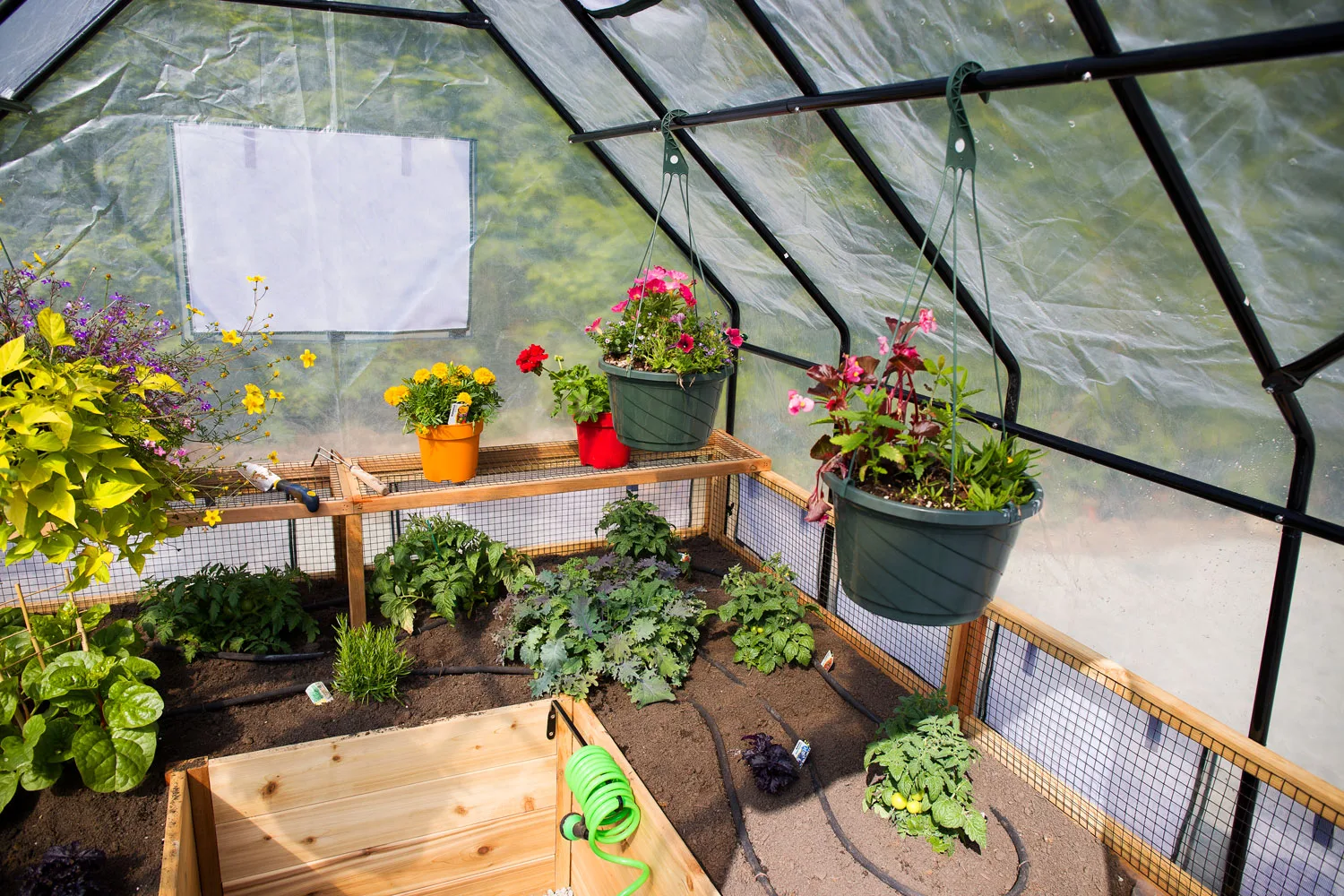
Modern structures address this challenge through integrated design features. Greenhouses engineered by Outdoor Living Today simplify climate regulation by incorporating adjustable roof vents, which empower gardeners to manage interior temperatures naturally by allowing hot air to escape as cooler air is drawn in from the lower sections of the building.
Irrigation and Water Management
Plants housed inside a greenhouse environment frequently demand more consistent moisture levels than their counterparts planted directly in open garden beds. However, excessive moisture can be equally hazardous, frequently leading to detrimental conditions such as root rot, persistent fungal pathogens, and the leaching of essential nutrients from the growing medium.
Implementing smart watering protocols helps strike the correct balance. Utilizing specialized misting nozzles provides a gentle, even delivery of moisture that is particularly beneficial for humidity-sensitive flora like young seedlings. For those seeking eco-friendly operations, incorporating a rainwater collection system, such as a dedicated barrel kit tied to the structure’s gutter system, offers a sustainable source of irrigation water. Additionally, ensuring proper sub-surface drainage prevents standing water and dangerous soil saturation. Industry data indicates that utilizing enclosed greenhouse structures can significantly reduce overall water consumption compared to traditional open-air farming and gardening, largely due to controlled irrigation methods and minimized surface evaporation.
Soil and Plant Selection
The enclosed nature of a greenhouse allows for unprecedented control over growing conditions, but this heightened level of control also requires that soil quality and plant selection be approached with intentional care. Utilizing high-quality, well-draining soil enriched with organic matter provides the necessary structural foundation for robust root systems. Gardeners must also periodically test soil pH levels and nutrient concentrations to maintain optimal growing conditions, ensuring the growing medium contains adequate amounts of amendments like perlite and compost.
When it comes to populating the greenhouse, selecting varieties specifically suited for enclosed cultivation yields the best results. Common choices include culinary herbs, leafy greens, warm-season crops like tomatoes, peppers, and cucumbers, as well as citrus trees and specialty flowers. Many growers prefer to start seeds indoors within dedicated trays, transplanting the young plants into permanent beds or containers only after their root systems are well established. Alternatively, for those seeking quicker initial results, purchasing healthy nursery stock and gradually acclimating the plants to the specific micro-climate of the greenhouse ensures a seamless transition.
By incorporating a thoughtfully selected and properly prepared greenhouse into an ongoing horticultural routine, enthusiasts unlock a wide spectrum of cultivation opportunities. From extending the productive harvest season well into the colder months to fostering healthier, more resilient plants year-round, these structures serve as functional sanctuaries for garden lovers. Paired with deliberate site selection, reliable irrigation practices, balanced soil management, and vigilant climate control, a backyard cedar greenhouse transforms into a thriving horticultural oasis through every season of the year.