Deciding where to install a new radiator in a room is a choice that ultimately rests with the homeowner or property manager. There are frequently compelling reasons why someone might prefer to place a heating unit opposite a window or along the wall designated for a large sofa. However, heating specialists and property experts note that if circumstances allow, it is usually best to adhere to a few foundational rules regarding radiator positioning.
By following these simple and practical guidelines, property owners can allow their heating systems to provide the maximum amount of warmth possible, while potentially securing modest savings on their household heating bills over the course of the winter season.
Does it Matter Where You Place a Radiator?
It can be remarkably easy to assume that a radiator installed anywhere within the confines of a room will heat the space with equal effectiveness, regardless of its exact location. Yet, positioning the primary source of room heat in an improper or suboptimal place can have a genuinely drastic effect on how efficiently the entire heating system operates. While homeowners certainly do not need to be masters of thermodynamics to warm their living spaces effectively, possessing a basic understanding of how hot air behaves and how it naturally interacts with cold air can go a long way.
When hot air is released into a room, it naturally rises because it is less dense than colder air. As it travels upward and circulates, it displaces cooler air, forcing that colder air downward toward the floor where it is then drawn back toward the heat source to be warmed in a continuous cycle. If this natural convective loop is interrupted or improperly managed by poor placement, the room will fail to heat evenly.
At the same time, if a radiator fails to produce as much heat as expected, the issue might have less to do with its overall physical position on the wall and more to do with trapped air inside the system, which is a common occurrence that requires the unit to be bled. Knowing how to maintain the system by releasing trapped air quickly and easily is just as important as where the unit is initially mounted.
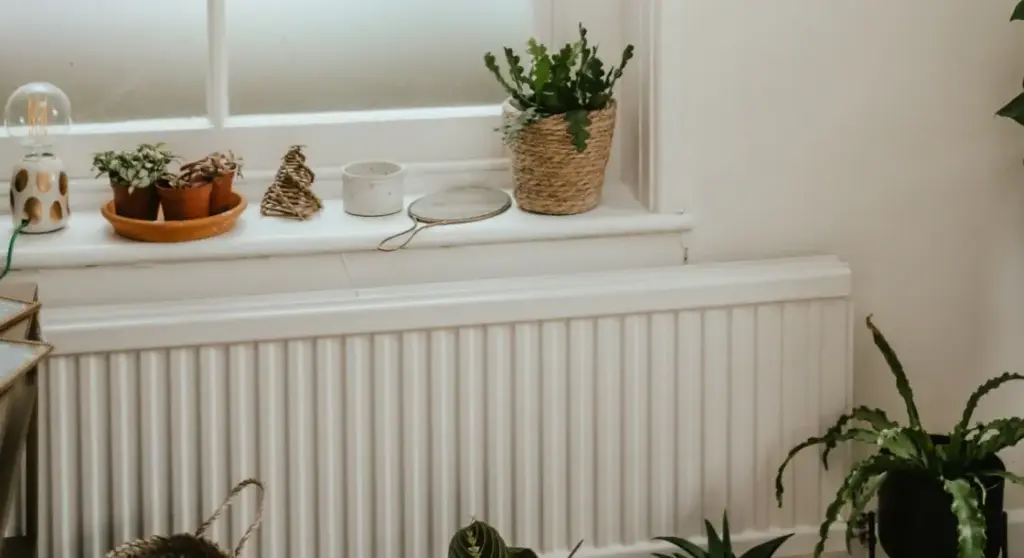
Why Install a Radiator Under a Window?
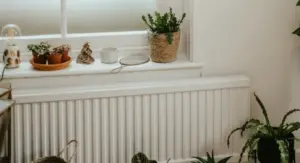
Although placing a heating unit beneath a window is a standard and widespread practice in homes across the United Kingdom, many people harbor the misconception that this approach is fundamentally flawed. A common worry is that positioning the radiator directly under a window simply wastes thermal energy as heat rises directly against cold glass and escapes outward. In reality, placing the radiator beneath a window delivers the most optimal heating results in the vast majority of cases—even in modern residential properties equipped with contemporary double or triple-glazed window installations.
The scientific rationale behind this traditional placement involves the physics of thermal currents. The warm air rising rapidly from the radiator directly counters the cold air that naturally falls from the cold glass surface of the window pane. By meeting this descending chill head-on, the rising heat neutralizes it, meaning the cold draft has a significantly diminished chance of spreading horizontally across the floor and into the broader living space. While this chilling effect is far less obvious in modern, well-sealed homes due to advanced glazing technology, it remains a critical factor for anyone living in an older period property with single-pane or draughty historic windows, where the difference in room comfort can be immense.

Another distinct advantage of mounting the radiator underneath a window is spatial efficiency. In most architectural layouts, the wall space beneath a window is left entirely free of large furniture, allowing homeowners to make much better use of the remaining wall space for sofas, bookshelves, and entertainment centers. Even if a particular wall appears completely free from furniture at the moment of installation, interior layouts frequently change over time, and keeping the window wall designated for heating preserves flexibility for future room reconfigurations.
While placing a large piece of furniture directly in front of a radiator is not an absolute disaster for the structure of the home, it inevitably acts as a physical barrier that prevents heat from circulating freely throughout the room.
When to Install a Radiator Opposite a Window
The exact positioning of a new radiator becomes a considerably less critical factor if the property is fitted with modern, high-efficiency double-glazed windows. With superior window insulation, there is far less cold air seeping into the interior environment and significantly less warm air escaping, reducing the thermal friction between hot and cold currents within the room.
However, the dynamics change in properties that lack modern double glazing. In homes with older, draftier windows, industry experts generally advise against positioning a radiator directly opposite a large window. When a heat source sits across the room from a major source of cold air, the warm air rising on one side and the cold air falling on the other can sometimes exaggerate the natural convective flow of air around the space. This intensified circulation can create a noticeable and uncomfortable draught, making parts of the room feel chillingly breezy despite the heating being switched on.
If architectural constraints dictate that there is simply no other choice but to position the radiator directly opposite a window, homeowners can mitigate the drafty circulation loop by installing a small shelf slightly above the top of the radiator. This architectural addition acts as a deflector, forcing the rising hot air outward into the center of the room rather than letting it rise straight up to mingle with the falling cold air current from across the space.
Which Style of Radiator is Better?
Not very long ago, domestic radiators were remarkably uniform in appearance. Most residential properties featured heating units of a similar size and shape—typically flat, rectangular metal panels that consumed a substantial amount of valuable wall space. In contemporary home improvement markets, however, consumers can source radiators in a dramatically wider variety of sizes, depths, and vertical configurations.
Despite this vast array of modern choices, heating experts emphasize that there is no single "best" size, shape, or style to universally recommend for every household. The ideal selection depends entirely on the specific dimensions, architectural style, and spatial configuration of the room in question, alongside the desired interior aesthetic and the overall thermal insulation quality of the house.
In a modern home characterized by high levels of insulation and energy efficiency, a sleek vertical upright radiator might be highly desirable because it consumes a fraction of the horizontal wall space while adding a striking modern design element. Conversely, a traditional Victorian terraced house might be better suited to an authentic-looking cast iron radiator style that respects the historical heritage of the property while delivering robust thermal output.
Where You Should Avoid Placing a Radiator
Regardless of their aesthetic style, modern materials, or manufacturer specifications, all household radiators function on the exact same fundamental thermodynamic principles. Consequently, there are certain specific locations and surroundings within a home that can prevent any radiator from efficiently and effectively heating a living space.
One of the most common pitfalls is placing a heating unit directly behind a sofa or another large piece of furniture. While it can be tempting to tuck an unattractive radiator out of sight behind a heavy lounge suite, doing so severely compromises its efficiency. Although a portion of the heat will still manage to rise from the top of the radiator, the majority of the thermal energy emitting from the front surface will be absorbed directly by the furniture, leaving the rest of the room feeling cold and unheated.
A similar problem arises when radiators are covered by full-length curtains. Curtains that drape all the way to the floor directly in front of a heating unit produce an effect comparable to placing a sofa against it. They form a thermal barrier that prevents waves of convective heat from pushing out into the main living space, channeling most of the warmth upward toward the window recess instead. Naturally, the thicker and heavier the curtain fabric, the more pronounced this blocking effect becomes, leading to wasted energy and colder rooms.
Finally, placing a radiator directly behind a door should be avoided whenever possible. Smaller rooms or awkward architectural layouts sometimes appear to leave no alternative wall space available other than the patch of wall concealed behind an open door. While doing this does not spell complete disaster for overall room temperatures, mounting a radiator on a wall that faces out onto an unheated hallway means a good portion of the thermal energy will be needlessly lost through the wall structure itself. Furthermore, if the door is frequently left open and rests directly in front of the operating radiator, it can physically block the steady flow of heat into the wider room.