Volcanic landscapes make geological change unusually visible. Across active and dormant regions alike, raw forces of nature shape the earth in real time. Molten lava cools and hardens into sprawling fields of new ground, while sparse vegetation slowly takes hold over decades and centuries. Fine volcanic ash can remain suspended in the surrounding environment for years, coloring the soil and altering local microclimates. Around active volcanoes, these transformative geological processes are still actively underway, directly influencing where, when, and how human habitation and building take place.
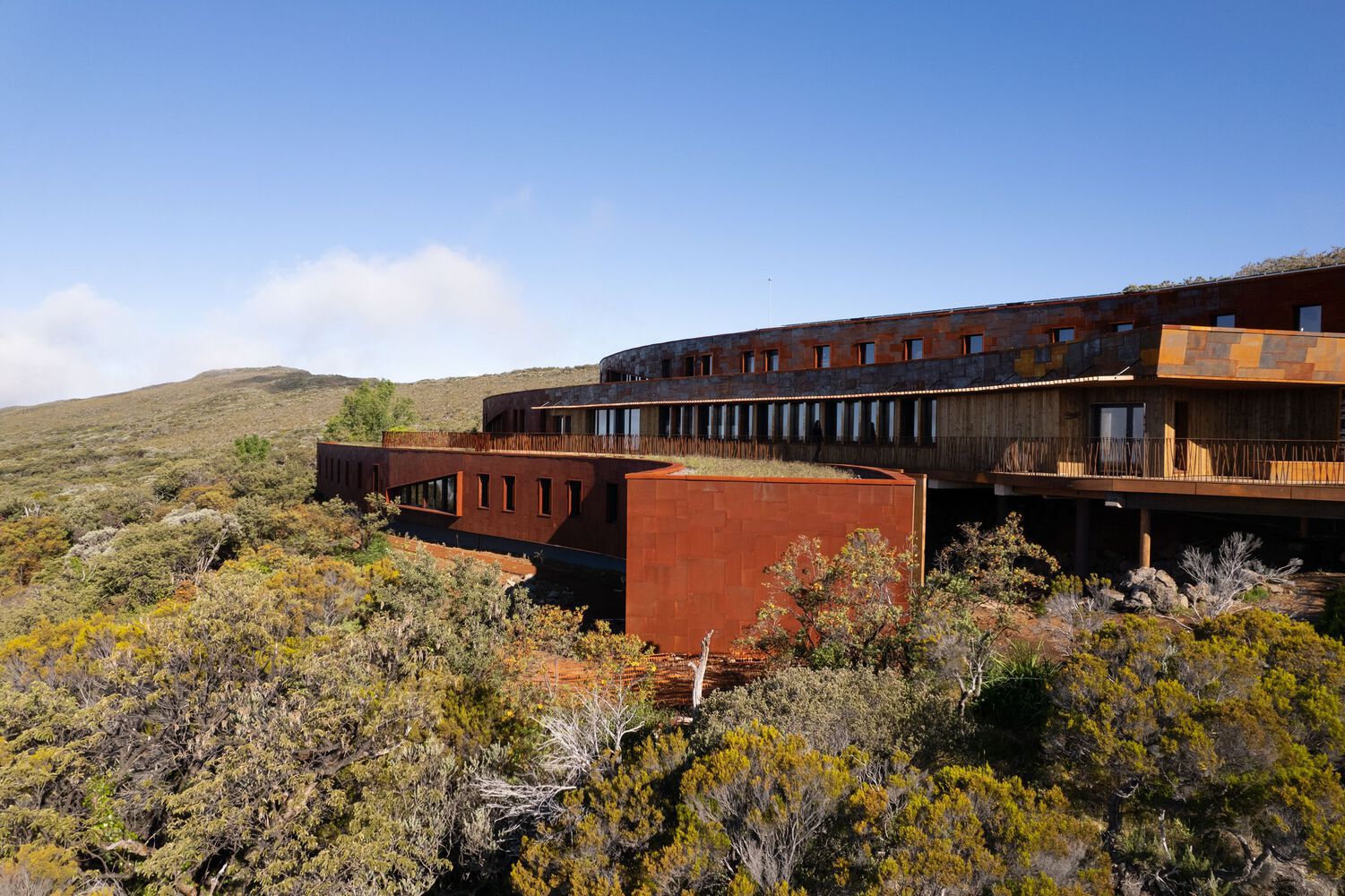
Despite the inherent unpredictability and raw power of these environments, volcanic terrains continue to exert a magnetic pull on architects, designers, and residents seeking homes, shelters, and places of retreat. The extreme isolation, rugged topography, and dramatic visual contrast of these unusual terrains are frequently cited as part of their profound appeal. However, designing and constructing buildings in such locations means bringing everyday human life into a landscape that remains dynamic and capable of sudden change. Architects working on volcanic ground must navigate a unique intersection of structural engineering, material science, and landscape design to create spaces that can coexist with hostile yet captivating surroundings.
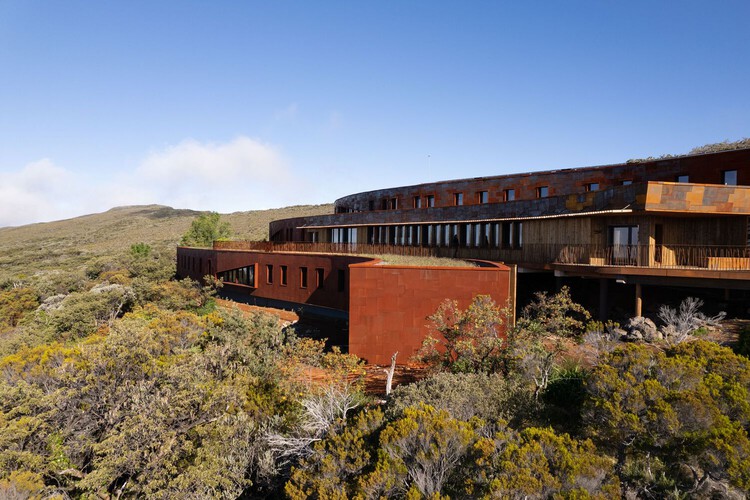
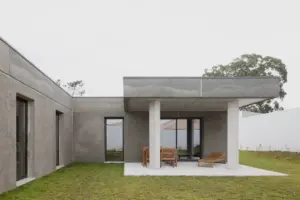
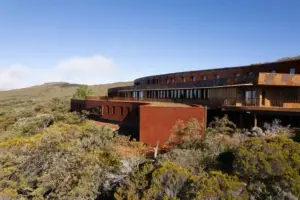
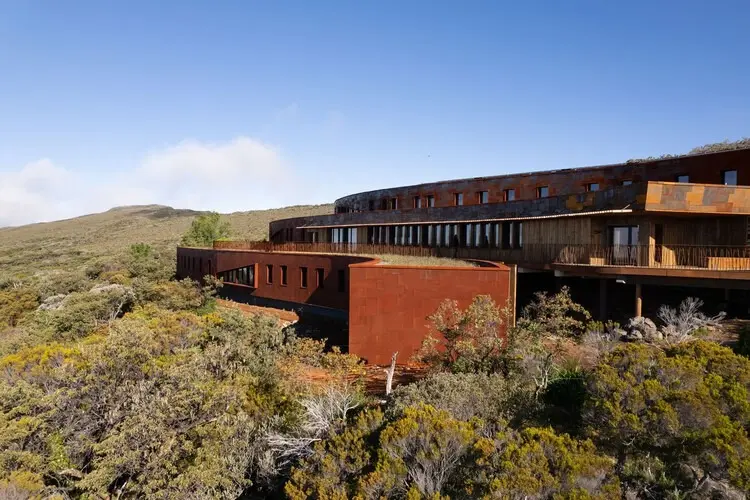
The architectural challenge begins with the ground itself. Volcanic terrain is rarely uniform. It can range from jagged, unstable anamesite and basalt flows to fields of loose scoria, pumice, and fine ash. Foundations cannot rely on standard suburban soil mechanics; instead, they require deep interventions, specialized anchoring, or carefully engineered resting points that respect the uneven topography without disturbing the natural drainage and geological features of the site. Projects such as the Lava House by Paul Weiner in collaboration with DesignBuild Collaborative, the Stóng Ruins by SP(R)INT STUDIO, the Gîte du Volcan by Altitude 80 Architecture paired with Atelier Épicéa, and the Volcano House by Pilar Beltrán alongside Br-arquitectos demonstrate how contemporary design approaches these extreme contexts. Each of these projects offers a distinct architectural vocabulary rooted in the reality of building over cooling or cooled magma, fractured rock, and high-altitude volcanic fields.
Material selection is another critical hurdle in volcanic architecture. The local environment often provides an abundance of raw volcanic stone, which has historically been utilized for load-bearing walls and dry-stack masonry. Modern interventions often balance the heavy, thermal mass of local basalt or lava rock with lightweight framing, glass, and resilient metals capable of withstanding shifting ground temperatures and high winds. Furthermore, buildings must account for the corrosive nature of volcanic gases, sulfur emissions, and abrasive ash particles that can degrade standard building envelopes over time. Architects must specify finishes and sealants that protect structural integrity while maintaining a visual dialogue with the dark, textured earth that defines the horizon.
Living in a volcanic landscape also requires a delicate psychological balance between exposure and refuge. The vast, often monochrome expanses of lava fields create a sense of profound isolation and sublime detachment from urban life. Retreats and residential projects nestled into these environments are typically designed to frame the dramatic views while offering a sense of deep interior protection. Thick walls, sheltered courtyards, and recessed apertures shield inhabitants from the biting winds and intense solar exposure common in high-altitude or barren volcanic zones, transforming the architecture into a secure anchor within an untamed world.
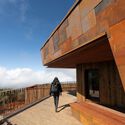
As architectural practices evolve to address more extreme and remote environments, the study of volcanic building provides valuable insights into material resilience and site-responsive design. By listening to the contours of the land and respecting the geological timeline of the earth, architects working in these regions do not attempt to tame the landscape. Instead, they craft structures that acknowledge the restless ground beneath their feet, proving that human habitation can find a sustainable, respectful foothold even where the earth is still actively shaping itself.