It happens subtly, often almost imperceptibly, to anyone who spends enough time immersed in the culture of horology. At some point, you cross an invisible threshold and find yourself caring deeply about things that would look entirely microscopic to an outsider.
Consider the experience of browsing for a vintage dress watch. A 31-millimeter case might seem downright tiny by modern standards, especially in an era when larger timepieces have long reigned supreme. Yet, instead of walking away from a watch that is objectively diminutive, a seasoned enthusiast might find themselves studying the lugs: their exact shape, their precise length, and the way those metal extensions alter the physical presence of the watch on the wrist. Often, it is these minute architectural details—not the dial or the brand name—that seal the deal and lead to a purchase. This is the natural progression of horological appreciation. Things that seem impossibly granular from the outside start to matter quite a lot, and then, eventually, they matter even more.
Jean Arnault understands this dynamic intimately. As deputy editor Paige Reddinger reports in her feature for the annual Watches & Jewelry Issue, Arnault faced a unique set of challenges when he took charge of Louis Vuitton’s watchmaking division. He certainly had no shortage of corporate resources at his disposal, backed by the immense weight of the LVMH luxury conglomerate. However, earning genuine respect from serious, deeply entrenched watch collectors was an entirely different matter. For many purists, seeing the Louis Vuitton name emblazoned on a watch dial was historically viewed as more of an obstacle than an asset—a fashion house dabbling in a craft reserved for heritage Swiss manufacturers.

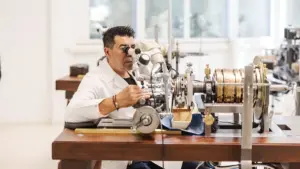
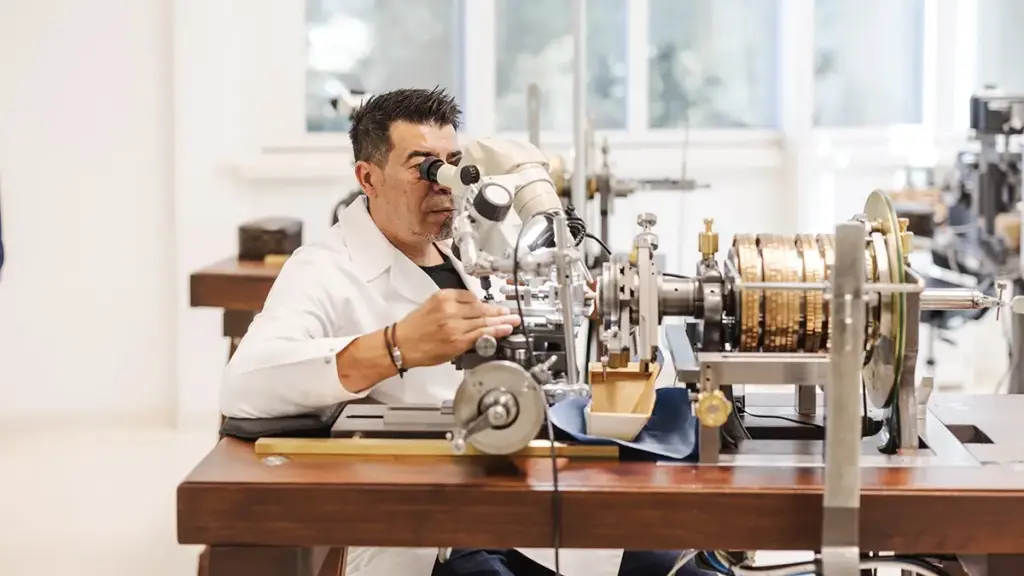
His response to this skepticism has been to sweat the details, almost literally. "I love talking about screws," he tells Reddinger at one point during their interview, before enthusiastically extolling the dedication of an LVMH artisan who has spent 27 grueling years perfecting the micro-components of their movements. Over the past five years, the young director has devoted himself to completely rebuilding and elevating Louis Vuitton’s horological operation from the ground up. But the most meaningful test of this endeavor is ultimately quite simple: Will serious collectors actually buy the watches? Arnault, for one, is betting heavily that they will. The final answer, much like the painstaking art of mechanical watchmaking itself, will simply take time.
Of course, acquiring a new luxury timepiece often brings its own set of distinct real-world challenges. Purchasing a coveted watch like a Rolex at retail, for instance, can frequently feel like navigating a Byzantine, frustratingly opaque code of waiting lists and authorized dealer politics. However, Robb Report contributor Zach Weiss recently found an unlikely and ingenious workaround for this modern retail dilemma while traveling on a cruise ship. Aboard the Explora III, during a scenic voyage along the picturesque French and Italian coasts, Weiss managed to secure a brief 30-minute appointment at the shipboard Rolex boutique. To his surprise, he was presented with three distinct watches to consider. By the time the voyage concluded and he disembarked, he was the proud owner of his very first Rolex—a classic Submariner—completely free of any tedious waitlist war stories.
While Weiss playfully describes himself as a novice in the grand scheme of horology, every serious collector has to start somewhere. The wider world of high-end jewelry and historic artifacts operates on a very similar trajectory of developing sudden, consuming passions. Take, for example, Charlie Barron, a 31-year-old dealer who possesses a rare knack for turning casual curiosity into a full-blown collecting obsession. In a separate profile written by Jill Newman, Barron explains how he once showed a young, uninitiated tech investor a vintage Cartier clock without any real expectation of making a sale. Just one year later, that exact same client had assembled a remarkably cohesive collection of 11 historical pieces, all dating between 1905 and 1925. The vast majority of Barron’s current customer base is under the age of 40, and his distinct talent appears to lie in his ability to convert people who had never previously considered vintage jewelry or historic timepieces into dedicated, lifelong collectors.

Elsewhere across the cultural landscape, the magazine’s latest issue explores luxury collecting in delightfully unexpected contexts. One feature takes watch collecting straight into the high-pressure, chaotic environment of professional restaurant kitchens, spotlighting six acclaimed chefs who refuse to leave their Rolexes, Cartiers, and Hublots at home. For these culinary professionals, boiling water, scorching heat, sharp knives, and the relentless demands of a busy dinner service are simply not valid reasons to baby a luxury watch. They wear their prized timepieces through it all, treating them as functional tools rather than fragile museum pieces.
The new issue also introduces readers to the mind behind the Fabricateurialist, an enigmatic figure who approaches men’s shirting criticism with the absolute rigor of a laboratory scientist. By grading top-tier shirtmakers on a meticulous 25-point scale, he has managed to earn serious, undeniable menswear credibility within the industry. Meanwhile, writer Sara Vilkomerson revisits "Negroni Season," her viral 2010 essay detailing a romantic entanglement with a difficult boyfriend, which inadvertently helped fuel the modern, global resurgence of the bitter cocktail. Sixteen years after penning the original piece, Vilkomerson remains steadfast in her personal opinion that Negronis are actually awful.
As ever, there is a vast amount more to discover within the pages of the new Watches & Jewelry Issue. Readers may well come away from the stories feeling a little more particular about their tastes, and perhaps, for some, a little more obsessed with the finer things in life. Just do not say you were not warned. Enjoy the issue.