For a brief, glittering window of time before civil unrest and demonstrations forced an abrupt early closure, the historic Grand Palais in Paris served as the epicenter of the international art world. Collectors, gallerists, artists, and art handlers converged under the venue’s iconic glass nave for Art Basel Paris, bringing with them a sartorial energy that blended practical utility with high-fashion self-expression. Against the backdrop of a city vibrating with public demonstrations, New York Magazine’s Look Book captured the eclectic mix of personalities who animate the global art market, documenting what they wore, what they thought, and how the outside world inevitably breached the sanctuary of the white cube.
The Intersection of Art and Civil Unrest
The juxtaposition of a high-end commercial art fair and widespread public protests in the streets of Paris was a dominant theme for attendees navigating the event. While art fairs are traditionally designed to insulate participants from external noise, the economic and social realities of France quickly penetrated the venue.
Rodrigue Fondeviolle, a writer residing in Paris’s 19th Arrondissement, reflected on the surreal atmosphere of attending the fair while the city outside was out protesting. "It makes you question how self-sufficient the art world really is with all these white cubes that shut out the noise," Fondeviolle noted. "A lot of artists are socially engaged, and their work carries a political message. But the commercial ecosystem around them, the dealers and collectors, tends to sanitize it. Right now, though, you can’t escape reality."
This sentiment resonated across the floor of the Grand Palais, where cultural workers and visitors alike found themselves caught between the pristine commercialism of blue-chip galleries and the pressing socio-economic grievances echoing through French streets. Milou-Daniel Drici, a professor of medicine visiting from Cannes, brought an academic perspective to the broader climate of discontent, pointing to systemic strains within French institutions. Discussing the atmosphere among students, Drici noted the mounting pressures facing public education. "I teach first-year medical students at the university in Nice. There are about 1,500 in a single room," Drici said. "The state is always asking us to do more with less. We have more and more students entering the university, but we don’t have more teachers. It’s the same in high schools."
Klaus Biesenbach, the prominent museum director based in Berlin and Rockaway Beach, described his trip as a psychological roller coaster. Navigating the tension between anxiety for the state of Europe and the sublime distraction of visiting cultural institutions, Biesenbach highlighted the enduring draw of the city’s arts infrastructure. "It’s been a roller coaster between the protests and being worried for Europe," Biesenbach said. "But then to go to the Fondation Louis Vuitton, where there are Gauguins and Redons. And at Lafayette Anticipations, it’s all contemporary art. There’s no other place you can see this incredible diversity of work."
Style, Function, and Identity on the Fair Floor
Away from the socio-political debates, the stylistic choices of the fair’s attendees offered a compelling study in contrasts. The ecosystem of an art fair relies as much on the behind-the-scenes labor of art handlers, registrars, and technicians as it does on the blue-chip gallerists and elite collectors who acquire million-dollar works.
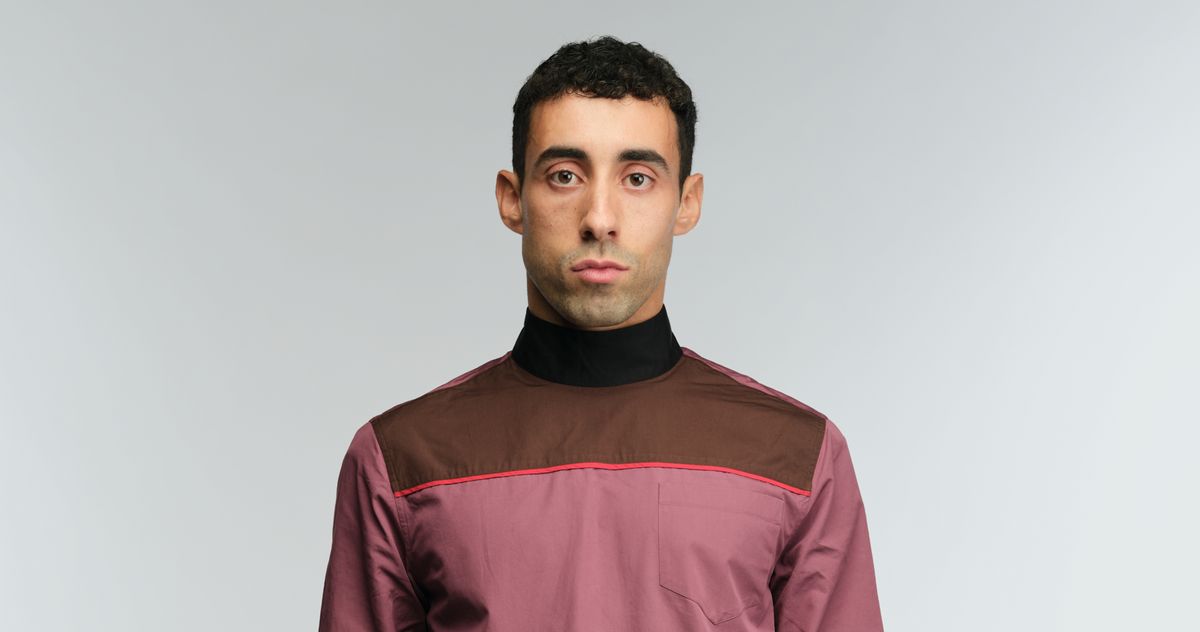
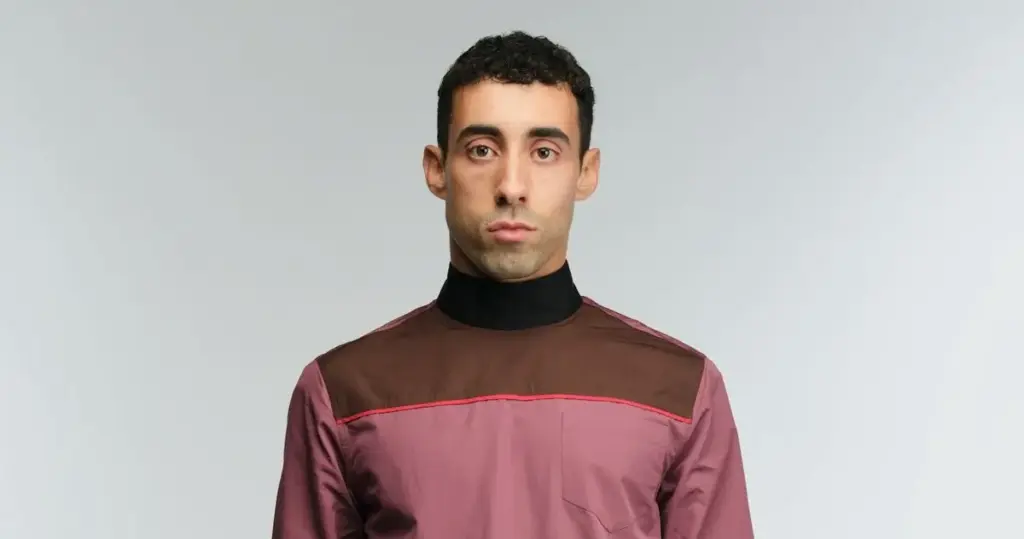
For many industry insiders, wardrobe choices required a delicate balance between professional discretion and personal flair. Hooper Turner, a gallery registrar hailing from East Harlem, embraced the seasonal transition with a warm, autumnal palette while pausing to appreciate a classic Picasso head on display. "It’s a great Picasso head with beautiful colors. Very expressive, and I thought it would look good with all my browns today," Turner said. Noting the timing, Turner added, "October is my birthday month, so I love these kinds of warm tones. I don’t usually dress like this in New York. This is my Paris outfit."
Similarly, Yâ«nah Simonet, an art handler based in the 18th Arrondissement who also works as a DJ under the moniker DJ Red Flag, discussed the colorful evolution of personal style within a profession that traditionally demands invisibility. Having sported orange hair for four years to match a stage name, Simonet transitioned to a striking blue hue inspired by the film Blue Is the Warmest Color. "When I’m installing, I wear black to be discreet. It’s hard with blue hair. That’s why I’m wearing a hat," Simonet explained, adding a nod to the realities of handling priceless works: "Usually we wear black gloves, but today I decided to match my hair."
For Eva Maspoli, an art handler from Switzerland, wardrobe details carried a deeper symbolic weight in a male-dominated field. Gesturing to a vibrant silk scarf, Maspoli shared the story behind the accessory. "We have to wear black, but I always need a spark of color. I found it in a secondhand shop. They gave it to me for €1, and they didn’t even know it was this very good silk," Maspoli said. "I wear it here because I’m one of the few females doing this job in a man’s world and I want to show, like, Hey, we’re also here and we’re as strong as you."
At the opposite end of the spectrum stood industry veterans who favored absolute consistency over stylistic reinvention. David Zwirner, the internationally renowned gallerist based in the East Village, embodied a frictionless approach to fair attire. When asked if his understated look constituted a usual uniform, Zwirner offered a characteristically direct response: "I’m wearing what I wore yesterday and what I will wear tomorrow. I’ve been wearing New Balance for 30 years. Usually I wear a T-shirt, but today’s too cool. I couldn’t tell you who made any of this. I’m not Mr. Fashion."
As international visitors including artists Ahmed Umar from Oslo, Deborah Roberts from Austin, Texas, and Peter Schlesinger from the Flatiron District mingled alongside European gallerists like Pauline Daly, Daniel Templon, Anna-Alix Koffi, and collectors like Mimi Dusselier, the Grand Palais briefly captured the pulsing intersection of global culture, commerce, and identity. Before demonstrations outside forced the unprecedented early closure of the venue, the gathering underscored how art, labor, and personal presentation remain inextricably linked to the volatile realities of the world outside the gallery walls.