
It is a curious and heartwarming phenomenon for music veterans to witness younger generations enthusiastically embracing physical media. For Gen Z and Gen Alpha consumers—many of whom were not even born when cassette tapes and compact discs served as the primary digital alternatives to vinyl—holding a physical album has become a sought-after experience. Collecting albums from their favorite recording artists offers a tangible connection to music that streaming algorithms simply cannot replicate.
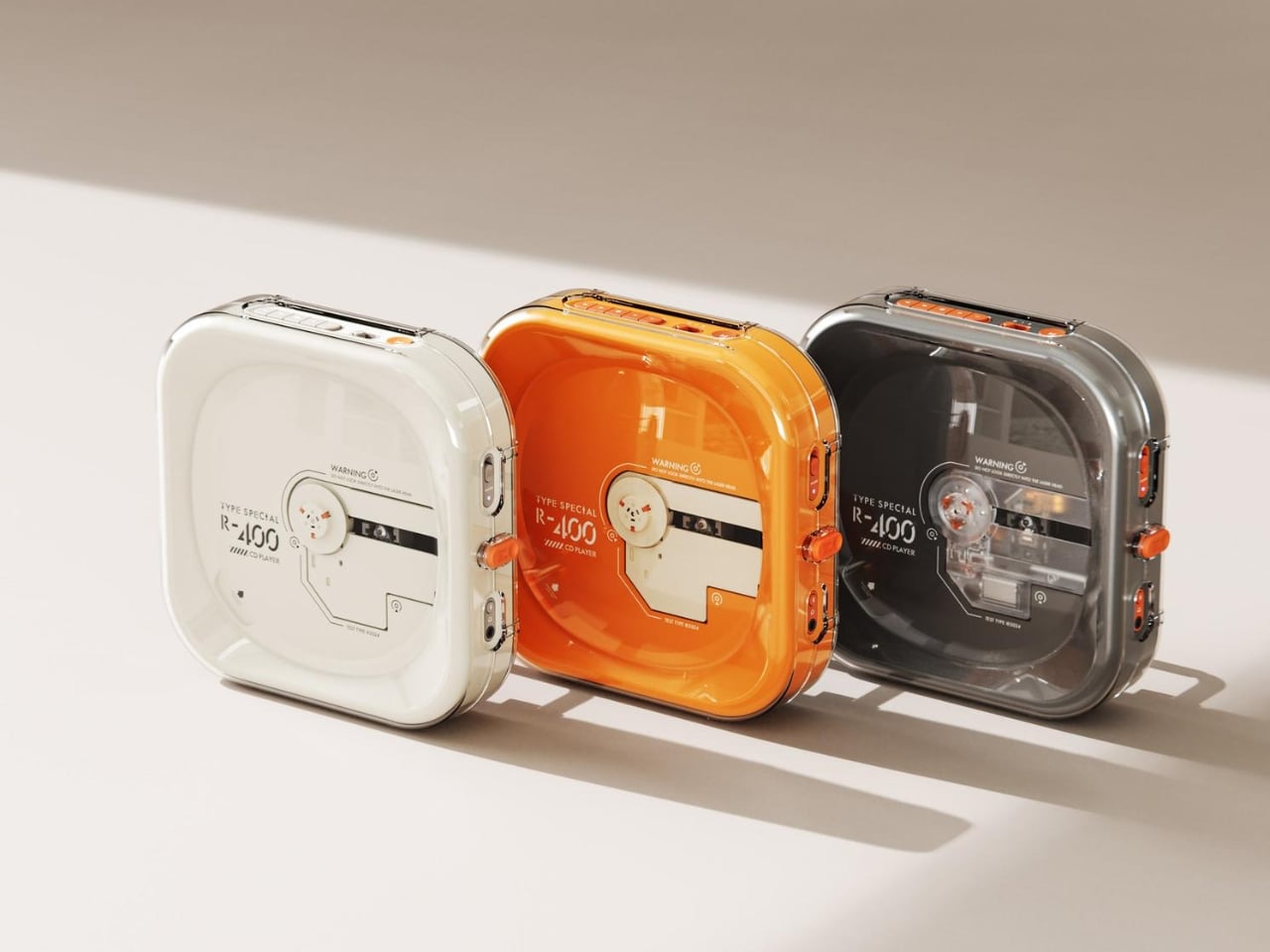
Yet, this burgeoning physical renaissance faces a persistent bottleneck. While global CD sales continue to register steady growth, the hardware market has failed to keep pace. Consumers are left choosing from a dwindling selection of decent, affordable CD players. Consequently, a growing segment of music enthusiasts finds themselves actively collecting compact discs while lacking a reliable, dedicated device to actually play them.
That specific market gap is precisely what the new Syitren R400 CD Player, brought to life by the creative minds at ORGDOT Design, aims to resolve. Conceived as an entry-level, portable Bluetooth CD player, the device is specifically engineered for young consumers who are either cautiously curious about physical music formats or already deeply invested in a expanding CD library. Industry observers can easily view it as the more accessible, budget-friendly younger sibling to Syitren’s critically acclaimed R300 player, a high-end device that claimed a prestigious Gold honor at the 2025 MUSE Design Awards. Proving that its hardware is built on more than just nostalgic appeal, the R400 recently earned its own industry recognition, securing a Silver A’ Design Award in the Audio and Sound Equipment category for 2026. This accolades-heavy debut demonstrates that the device is far more than a fleeting novelty gadget, standing instead as a thoroughly considered piece of modern industrial design.
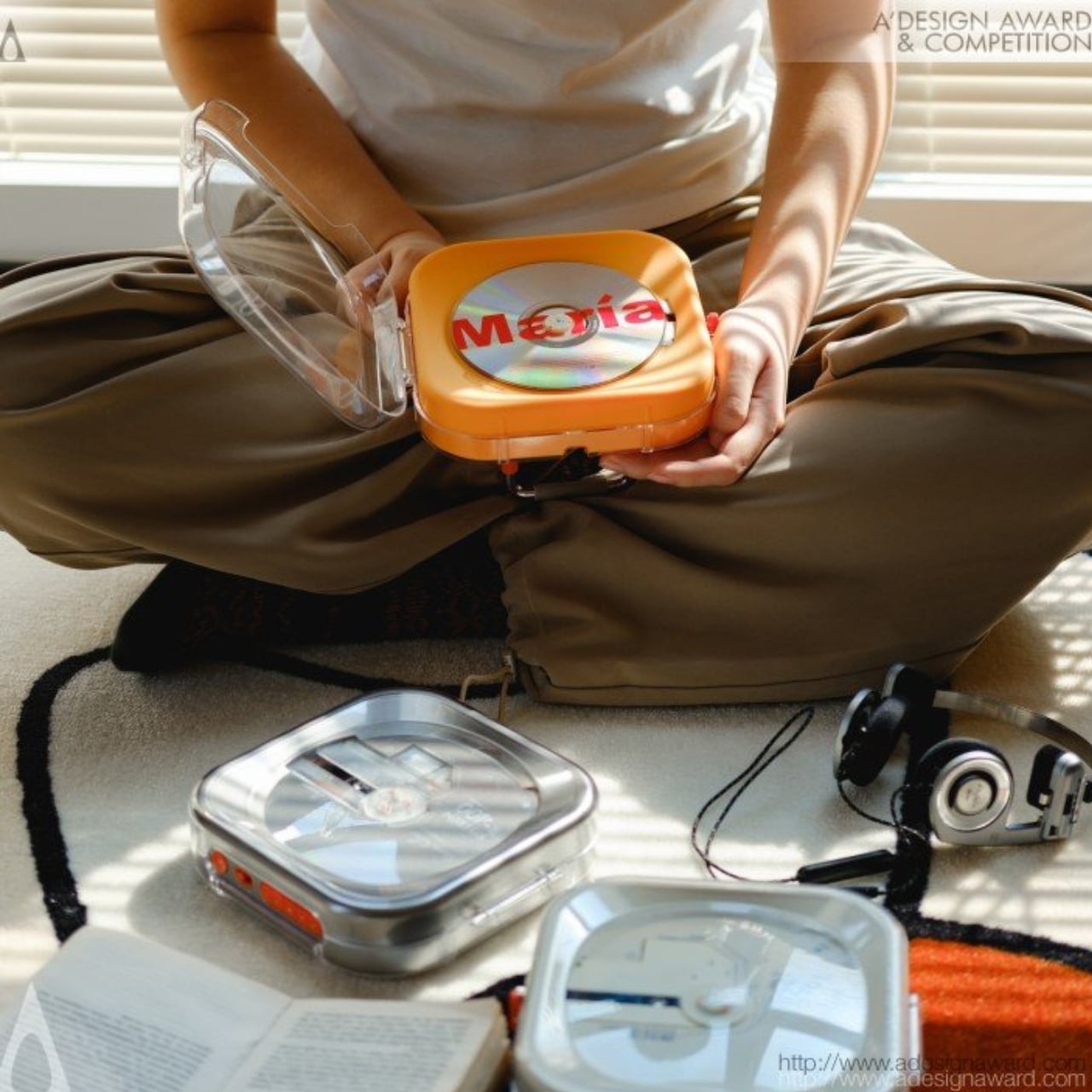
When tackling the R400, the design team at ORGDOT deliberately rejected the standard industry playbook of wrapping budget audio electronics in a cheap, permanent plastic shell. Instead, they reevaluated the fundamental architecture of the device by asking a radically different question: what if the protective housing was never meant to be permanent at all?
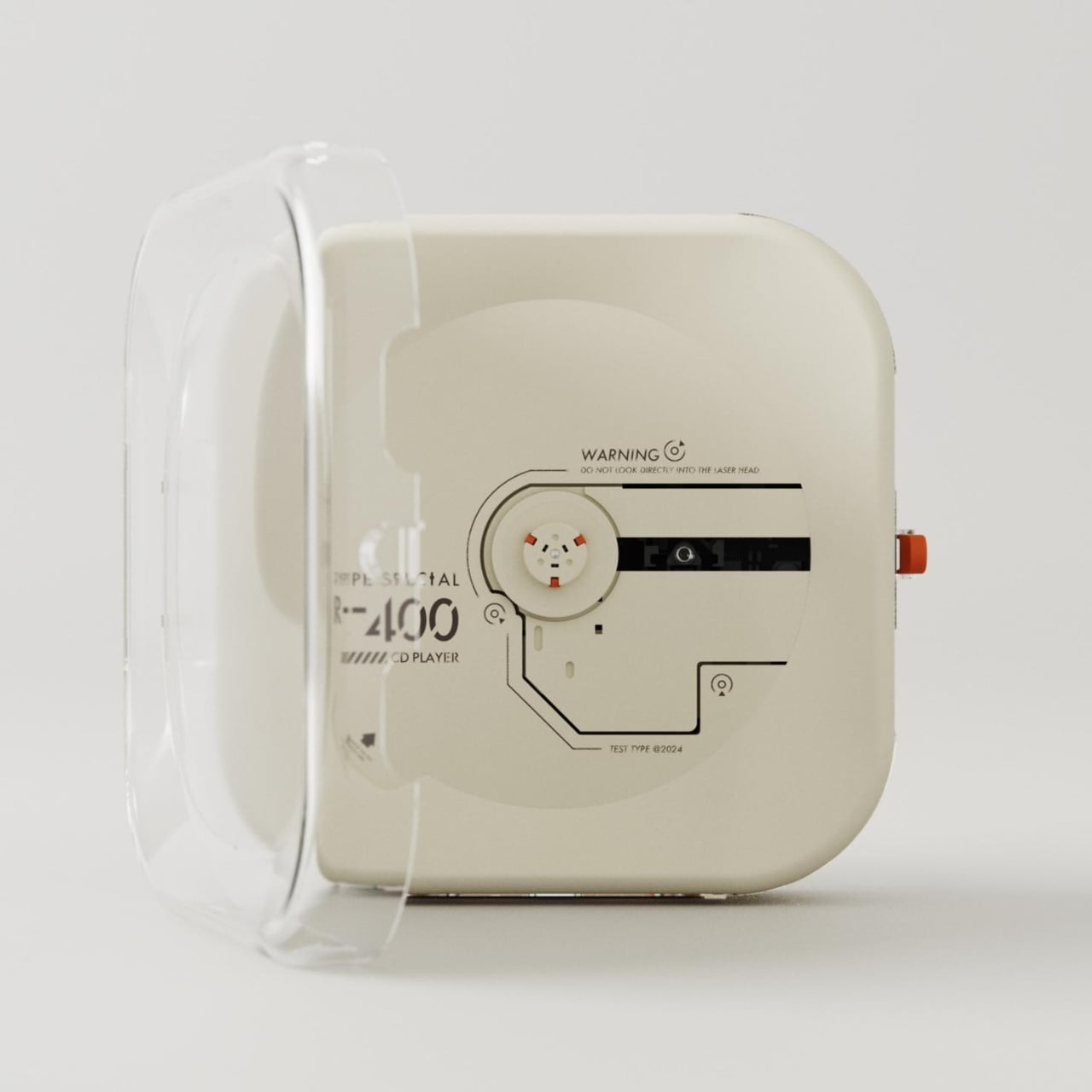
Their innovative solution materialized as a detachable, modular shell architecture that cleanly separates the external protective cover from the internal core audio unit. This single design decision dramatically lowers the base manufacturing cost, passing savings on to the consumer without sacrificing structural integrity or tactile quality. Rather than feeling disposable, the modular build invites high levels of customization. Buyers can pair the core R400 unit with a transparent, transparently versatile cover designed explicitly for personal decoration—making it an ideal canvas for stickers, drawings, and custom branding. Users can then snap the player onto an included desktop stand for a clean workspace aesthetic, or utilize an optional wall-mount bracket later on, effectively transforming a standard tabletop audio player into a striking piece of interior room decor.
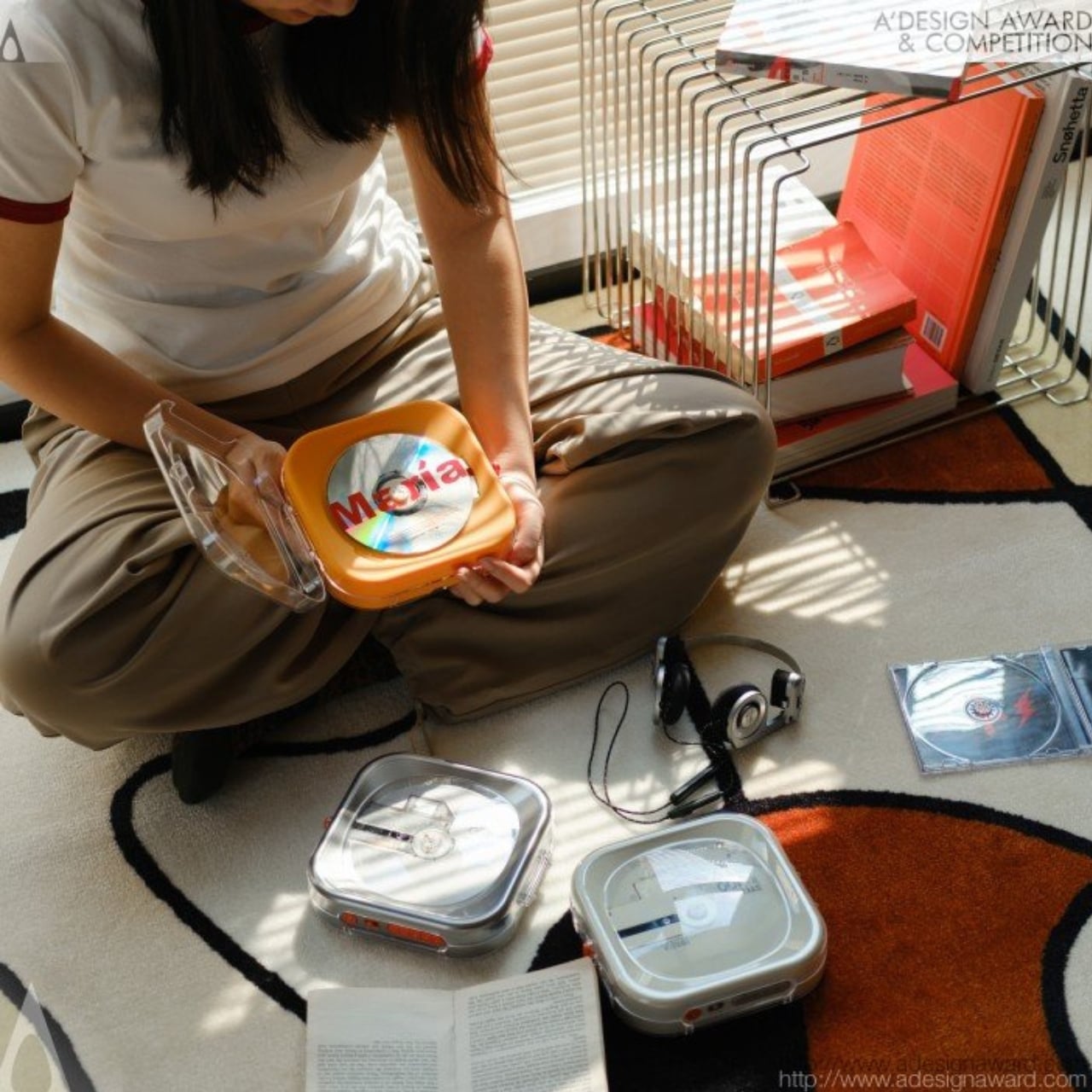
Even the physical act of assembling and installing the shell was intentionally engineered to feel less like a mechanical chore and more like an engaging ritual. This tactile consideration serves as a thoughtful nod to a demographic that genuinely finds joy in the unboxing experience and the personalization of modern consumer technology. Beneath this customizable exterior, the body utilizes a sophisticated dual-material construction, imparting a sturdiness and premium tactile weight that far exceeds typical expectations for an entry-level price point. Furthermore, designers integrated a sunken charging compartment featuring a built-in wire routing groove, ensuring that the power cable remains protected against sharp bends and premature fraying over prolonged daily use. It is a subtle engineering detail, but one that clearly signals how thoroughly the creators analyzed real-world usage patterns.
Beneath its polished exterior, the R400 is powered by a custom Syitren "pure CD core" developed to ensure reliable, high-fidelity disc reading and playback stability. This foundational architecture is complemented by a robust 70dB signal-to-noise ratio, delivering clean and crisp audio performance. Because the player is explicitly designed for mobility, it incorporates advanced anti-vibration engineering. This dampening technology prevents bothersome audio skipping and jitter, allowing users to enjoy uninterrupted listening sessions during daily commutes or while walking around with their favorite albums.
For modern connectivity, the device features Bluetooth 5.3 technology, enabling seamless wireless pairing with modern wireless headphones and portable speakers. Simultaneously, it honors traditional setups by offering wired connectivity options that interface effortlessly with standard headphones, external wired speakers, or even automotive stereo systems via auxiliary connections. Powering these features is a dependable rechargeable battery that delivers more than four hours of continuous playback on a single charge—providing ample operational endurance for a standard workday shift or an extended travel commute.
For decades, consumer electronics giant Sony virtually dominated the portable audio landscape, establishing a legacy that stretched from the revolutionary vintage Discman units to more contemporary, multi-format boombox systems like the CFD-S70. In recent years, however, Sony has quietly scaled back its presence in this particular product category, phasing out several of its iconic CD boombox configurations in major markets like the United States.
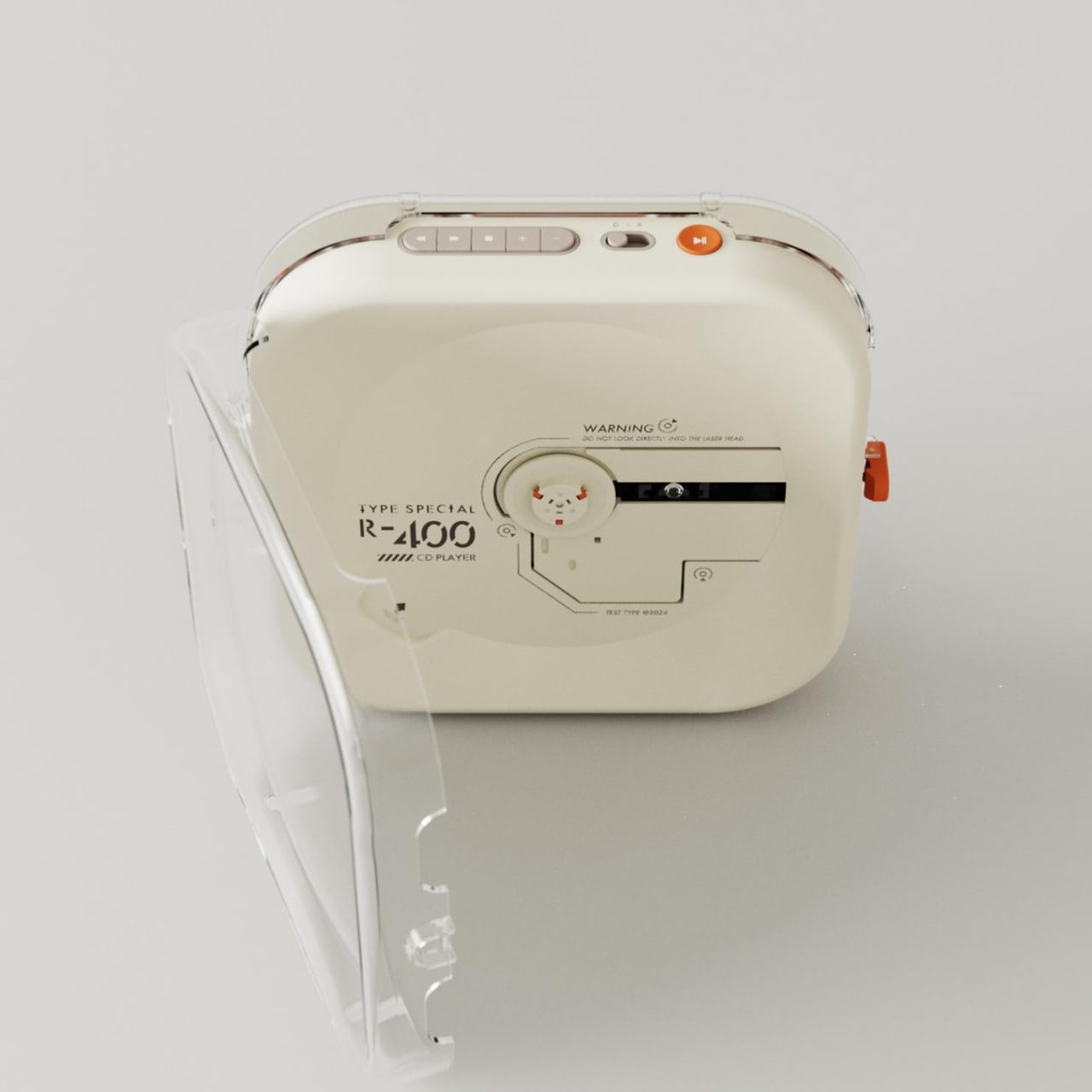
That corporate retreat left a wide-open lane for nimble, design-forward brands like Syitren to capture the imagination of a new generation of listeners. Tellingly, the R400 approaches the category from a fundamentally different perspective than the legacy Sony blueprint. Where older models like the CFD-S70 were characterized by bulky, four-pound plastic frames burdened with legacy analog features like AM/FM radio tuners and cassette decks, the R400 is remarkably compact, wireless-first, and styled specifically for a consumer base that demands hardware capable of blending harmoniously into minimalist desk setups or gallery walls. Priced competitively alongside the historical retail costs of those older boombox units, the R400 feels entirely synchronized with contemporary listening habits.
For anyone currently sitting on a growing shelf of unplayed compact discs, or for listeners simply seeking a more deliberate, tactile way to slow down and experience a cohesive album from start to finish, the Syitren R400 presents a deeply compelling proposition. By merging affordable pricing with modular personalization and modern acoustic engineering, it proves that consumers no longer have to compromise between striking contemporary design and faithful audio reproduction.