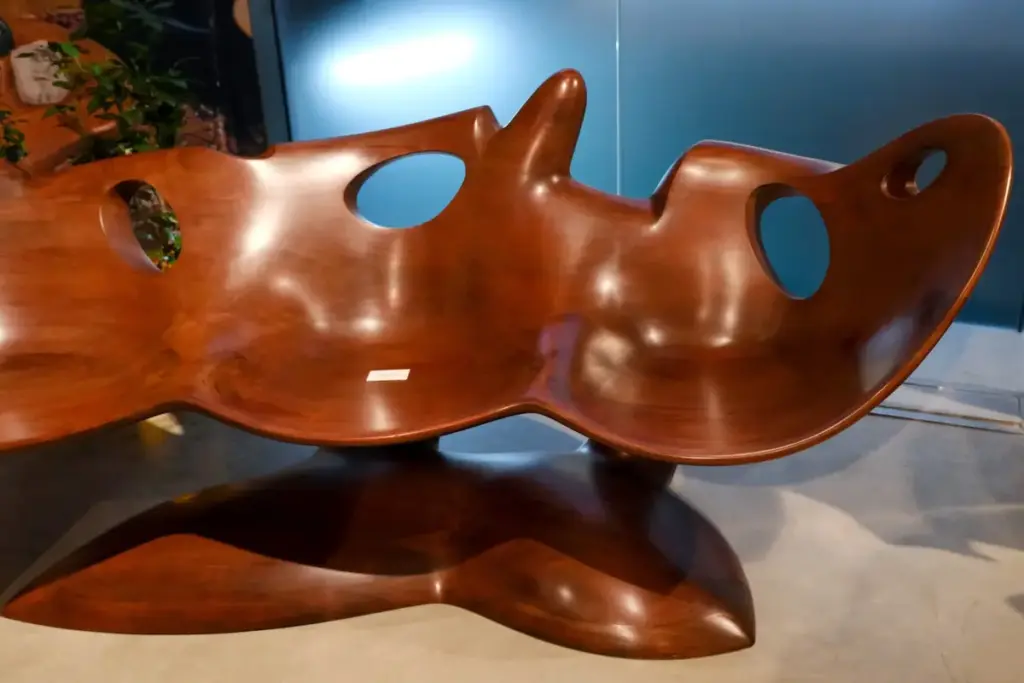
The intersection of functional design, sculpture, and innovative architecture continues to redefine how people interact with their living environments. In recent exhibitions and creative developments, contemporary culture has seen a fascinating convergence of historic artistry and playful modern interventions. From the visionary furniture forms of Wendell Castle showcased at Friedman Benda to inventive lifestyle concepts spanning Tokyo and Paris, the dialogue between art and everyday habitation is expanding in unexpected ways.
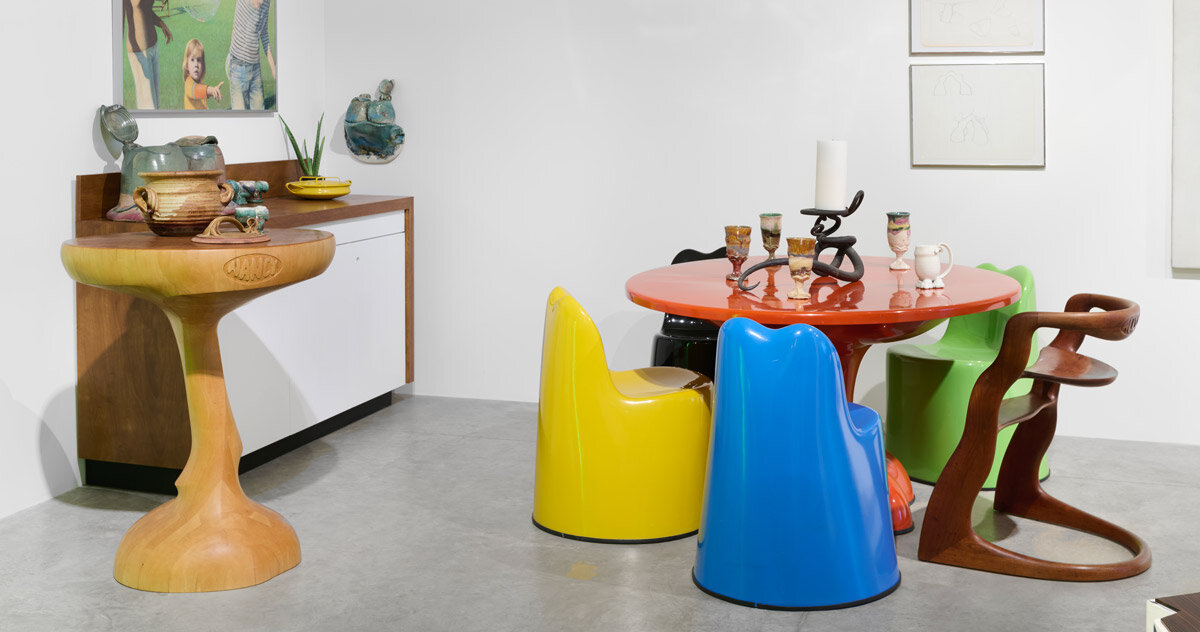
At the forefront of this design discourse is the enduring legacy of Wendell Castle, whose work explores the blurred boundaries between sculpture and functional furniture. Known for pioneering the art furniture movement, Castle’s organic forms and masterful manipulation of materials continue to captivate audiences and collectors alike. Exhibited through prominent platforms like Friedman Benda, presentations focusing on Castle’s living spaces demonstrate how master craftsmanship can transcend mere utility, turning seating, tables, and architectural elements into profound expressions of form and texture. These pieces challenge viewers to reconsider the domestic interior not merely as a backdrop for daily routines, but as an immersive environment where art and life coalesce.
This ongoing exploration of living spaces and habitation is mirrored in wider design movements that regularly capture the public imagination. Recent developments across the global design landscape highlight a continuous desire to merge nostalgic cultural icons with high-end craftsmanship and architecture. For instance, the contemporary design sphere has recently witnessed playful yet sophisticated reinterpretations of familiar objects, such as Jeff Koons transforming Hublot’s classic fusion model into a miniature balloon dog timepiece. By shrinking his monumental, iconic balloon dog sculptures into a delicate 42-millimeter watch worn on the wrist, Koons bridges the gap between high art and wearable luxury, demonstrating how scale and context can completely alter the perception of a well-known motif.
Similarly, the concept of habitation itself is being pushed into surreal and delightful new territories by innovative architectural and hospitality projects. In Japan, the creative firm NOT A HOTEL made waves by scaling up the recognizable, spherical design of a Pokémon Poké Ball into a fully inhabitable hotel experience. This project successfully bridges popular culture and the built environment, offering visitors a compact, human-sized sleeping pod that redefines the boundaries of themed hospitality and immersive architecture. Rather than treating pop culture references as superficial gimmicks, the design treats the spherical retreat as a serious exercise in compact living, focusing heavily on the intimate experience of sleep and rest within a uniquely enclosed shelter.
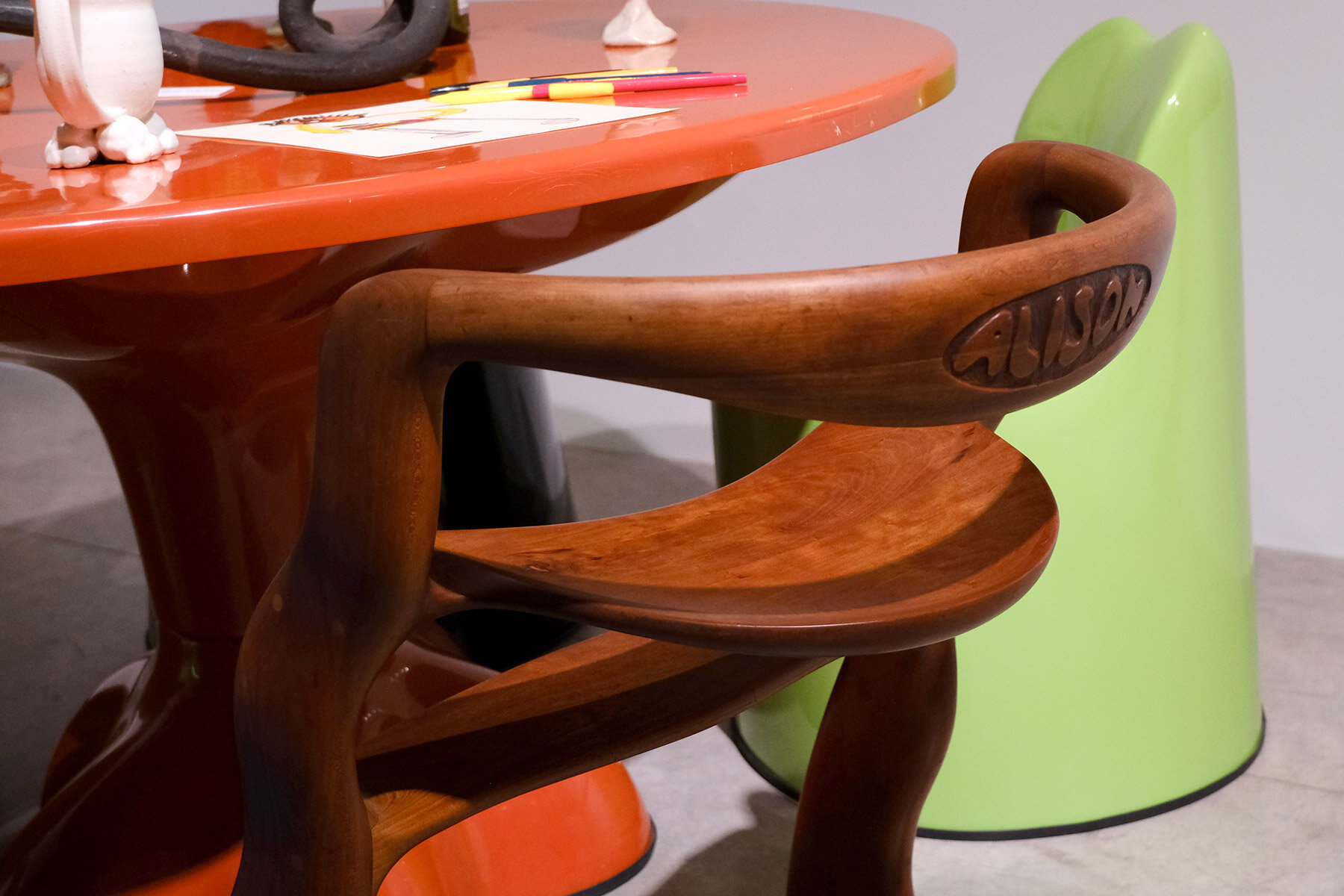
These boundary-pushing spatial concepts align closely with broader ongoing discussions about how humans relate to their physical surroundings. The spaces we inhabit reveal themselves time and time again as active participants in everyday life, subtly shaping how individuals move, work, rest, and meet others. Whether through the flowing wooden curves of a Wendell Castle interior or experimental hospitality concepts in Asia, architecture and design are increasingly understood as psychological frameworks that influence human behavior and social interaction.
To further foster these vital dialogues within the creative community, cultural initiatives and gatherings have taken center stage in historic design hubs. During recent design weeks, such as the vibrant events held in the Marais district of Paris by platforms like designboom, cities have transformed into active laboratories for conversation and making. These travelling series and collaborative gatherings bring together international designers, architects, makers, and curious minds for a week of intensive dialogue, workshops, and hands-on activities. By bridging the gap between digital critique and physical craftsmanship, these events provide a crucial forum for examining the future of material culture, sustainability, and urban habitation.
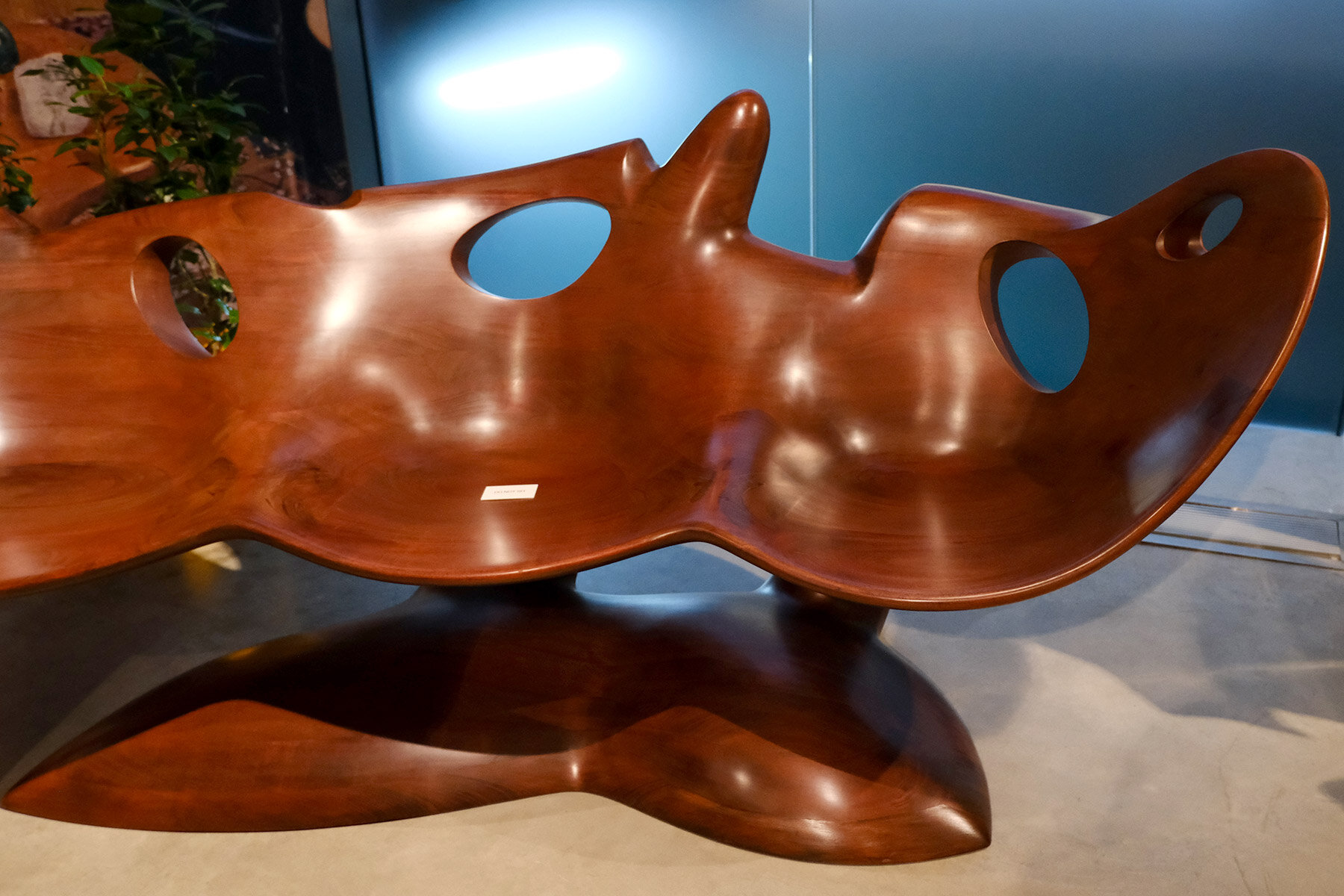
Ultimately, whether examining the archival brilliance of mid-century art furniture or the latest site-specific hospitality ventures, contemporary design continues to prove that our physical surroundings are deeply intertwined with our cultural identity. As creators and thinkers continue to test the limits of scale, material, and function, the fundamental question of how we live—and how our living spaces speak to us—remains as compelling and urgent as ever.