Nearly half of independent publications covering arts and culture across the United States have warned that their business models are no longer viable without profound changes to the broader funding landscape. According to a comprehensive new report released this week by Critical Minded and the Dorothea and Leo Rabkin Foundation, the ecosystem dedicated to cultural criticism and arts reporting is facing an unprecedented existential threat driven by contracting revenue streams and mounting operational costs.
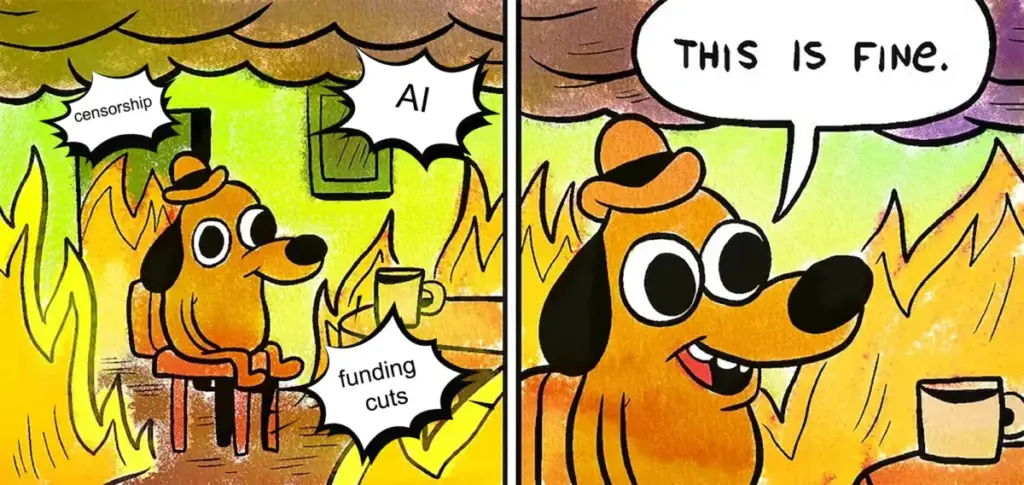
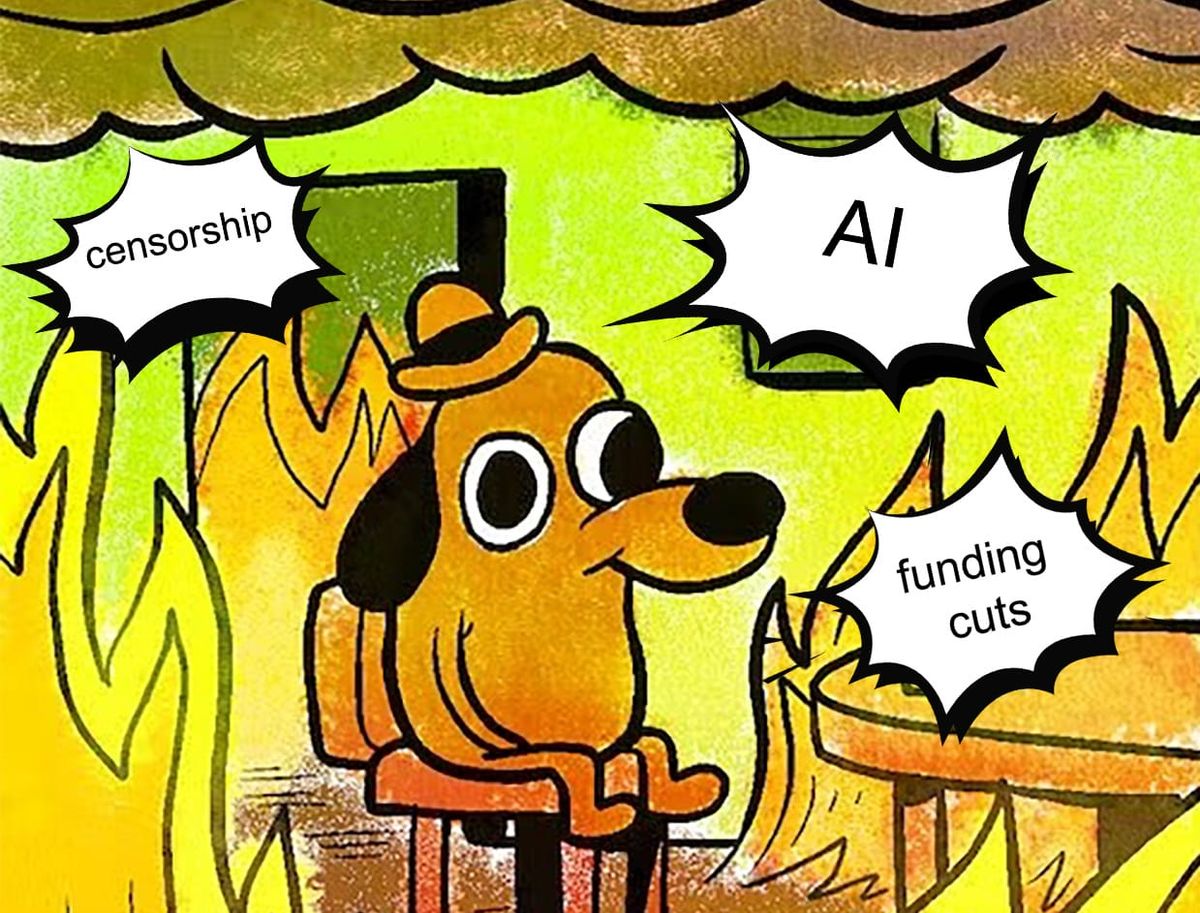
Beyond the alarming decline in traditional funding sources, the survey uncovered a disturbing and pervasive correlation between financial precarity and growing concerns over censorship. Outlets that reported facing external pressures, free-speech threats, or editorial interference over the past two years were significantly more likely to experience steep financial declines. This intersection of economic vulnerability and editorial suppression highlights a precarious reality for modern cultural journalism: the stories an outlet chooses to investigate and publish—or conversely, those it decides to avoid—can directly determine whether it can afford to pay its staff and contributors, or keep its digital doors open at all.
Titled "Support for Arts and Culture Journalism: A Survey of Independent Publications in the United States," the report draws on responses from 141 independent media outlets specializing in arts and culture coverage. The survey sought to evaluate the multifaceted challenges currently impacting the field, as well as the various survival and operational strategies being deployed by publishers to stay afloat. To ensure candid and accurate responses regarding sensitive financial and editorial matters, the participating outlets were anonymized.
The surveyed publications represent a diverse geographical cross-section of the American media landscape, spanning 34 states and the District of Columbia. While the outlets operate across various regions, the highest concentration—accounting for 38.2% of respondents—is based in the Northeast. Collectively, these independent digital and print publications maintain a significant cultural footprint, reaching an average cumulative annual audience of approximately half a million readers who rely on them for critical engagement with the arts.
The release of the report comes at a time of profound economic contraction for independent media, particularly within niche verticals like arts and culture. For decades, cultural criticism has relied heavily on a combination of philanthropic grants, regional arts council funding, advertising revenue, and individual reader support. However, as philanthropic priorities shift and digital advertising models continue to fracture, the financial foundation supporting independent cultural reporting has steadily eroded.

As the survey illustrates, this financial instability does not exist in a vacuum; it directly impacts editorial independence. When publications depend on a shrinking pool of grants, corporate sponsorships, or local business advertisements, the threat of economic retaliation or pulled funding becomes a powerful tool for self-censorship. Outlets operating on razor-thin margins may find it increasingly difficult to pursue rigorous, controversial, or culturally challenging stories that might alienate potential financial backers. The data compiled by Critical Minded and the Dorothea and Leo Rabkin Foundation underscores how economic vulnerability leaves independent publishers uniquely susceptible to external pressures, threatening the diversity of voices and perspectives essential to a healthy cultural sphere.
The findings serve as a stark reminder of the vital role independent arts publications play in documenting contemporary culture and holding institutions accountable. Without meaningful interventions, structural funding reforms, and a renewed commitment to editorial freedom from the philanthropic sector, the landscape of American arts journalism risks severe contraction, leaving significant gaps in the coverage of local and national creative communities.