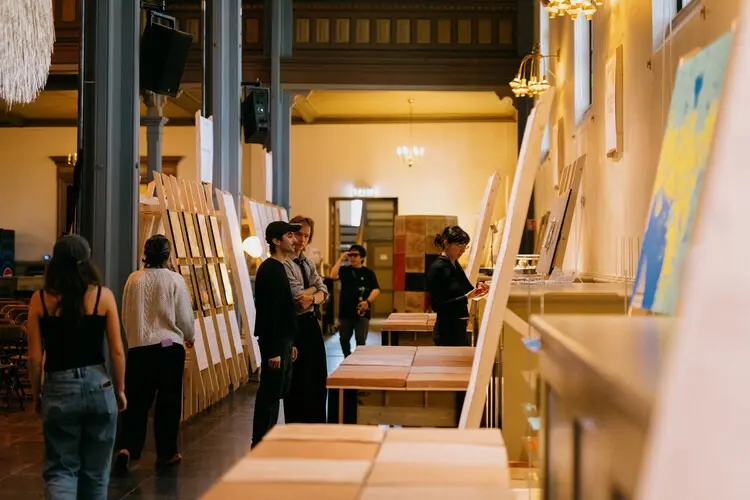
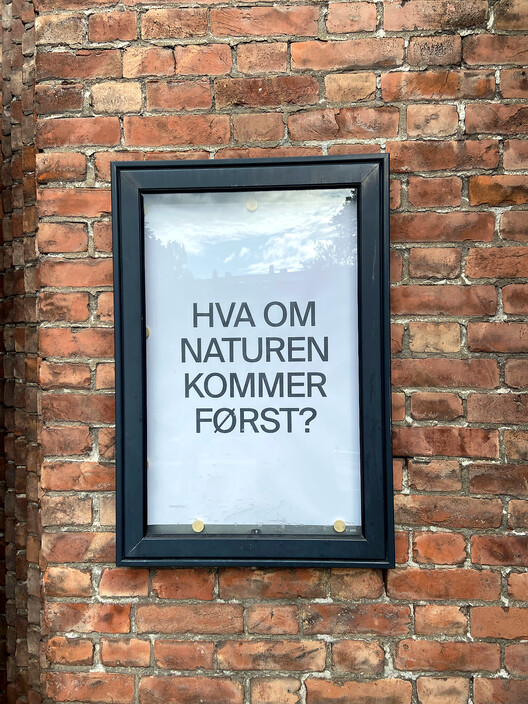
The 9th Oslo Architecture Triennale has officially opened its doors, unfolding in a setting that physically and conceptually embodies many of the urgent questions it seeks to address. Running from September 17 to October 1, 2026, this year’s edition of the prestigious international festival invites architects, designers, urban planners, and the public to reconsider the foundational tenets of the built environment under a singular, provocative premise: "What if Nature Comes First?"
Rather than occupying a neutral, white-cube exhibition space, the main venue for the 2026 Triennale provides a living, breathing case study for these discussions. The event is centered inside Sofienberg Church, a striking 19th-century Gothic brick building located in Norway’s capital. Currently undergoing a complex architectural conversion from a traditional place of worship into a modern cultural and community center, the historic structure mirrors the very themes of adaptive reuse, resource stewardship, and spatial transformation that dominate this year’s programming.
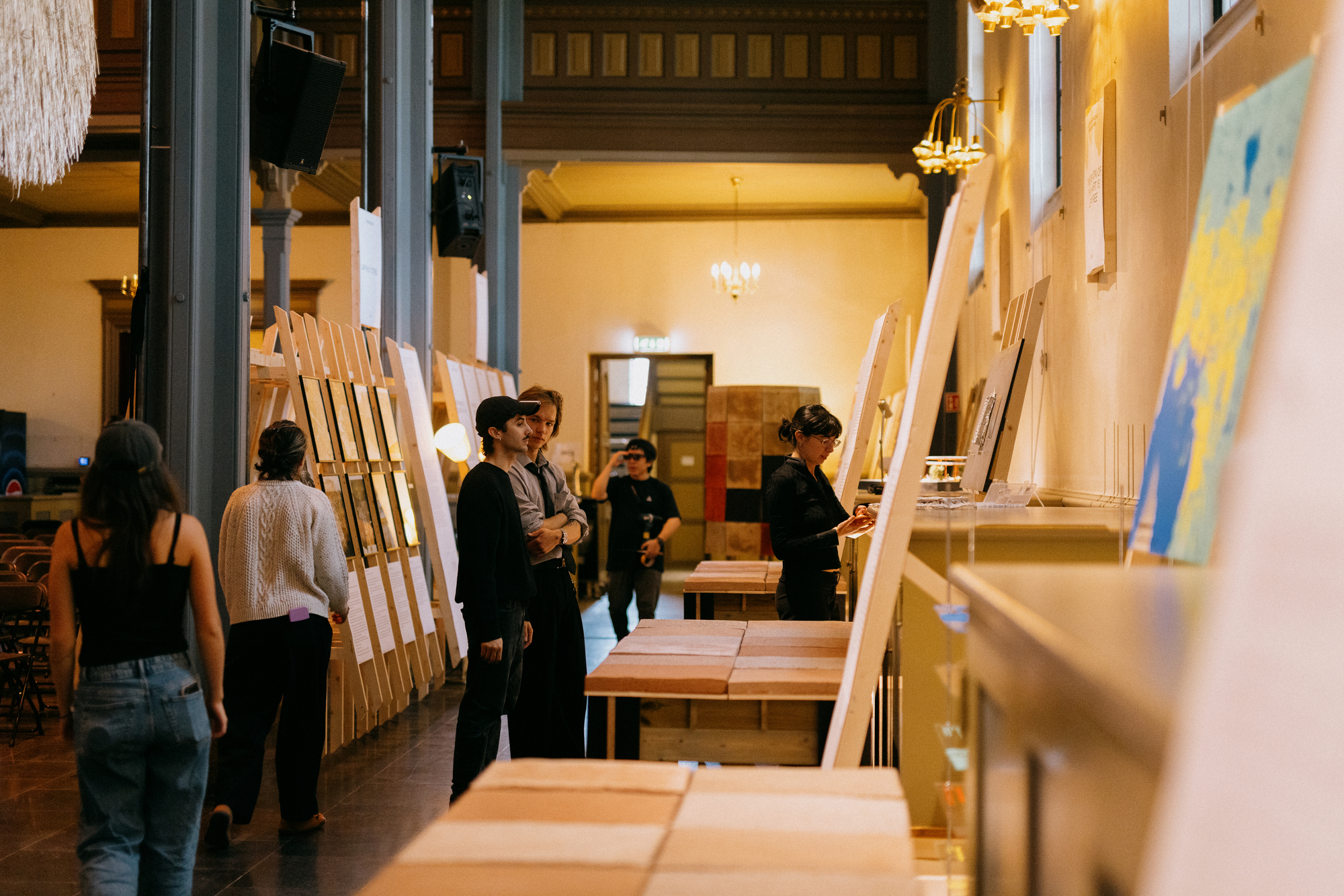
Throughout the two-week event, the historic church and its surrounding installations host a rigorous series of seminars, debates, collaborative workshops, and immersive exhibitions. Together, these events examine what a profound shift in ecological priorities could mean for the practice of architecture on a global scale. From the initial sourcing of raw materials to the long-term lifecycle of a building and its delicate relationship with local ecosystems, the Triennale challenges the industry to move beyond superficial sustainability and rethink the very starting point of design.
Reimagining the Foundation of the Built Environment
For decades, modern architecture has operated under a framework where human needs, economic viability, and aesthetic ambitions take precedence, with environmental considerations often treated as secondary adjustments or compliance measures. The 9th Oslo Architecture Triennale directly confronts this paradigm. By asking "What if Nature Comes First?", the curators and participating contributors are not merely suggesting greener construction materials or more efficient energy systems; they are advocating for a complete philosophical reorientation.
This radical shift asks what architecture would look like if non-human ecosystems, biodiversity, planetary boundaries, and natural resource regeneration served as the primary drivers of spatial design. Within the halls of Sofienberg Church, visitors are confronted with experimental projects, speculative design proposals, and critical analyses that explore how cities and buildings can actively support, rather than exploit, the natural world. The venue’s ongoing transformation itself serves as a physical anchor for these ideas, demonstrating how historic architecture can be thoughtfully adapted to meet contemporary cultural needs without erasing its past or placing undue burdens on future resources.
The dynamic programming brings together international voices from diverse disciplines, fostering rigorous debates on how policy, construction techniques, and architectural education must evolve. Workshops encourage hands-on engagement with alternative materials and regenerative building practices, while panel discussions tackle the systemic changes required to implement nature-first policies within municipal planning and real estate development.
As the 9th Oslo Architecture Triennale continues its run in the Norwegian capital, it leaves attendees with a compelling challenge: to view nature not as a backdrop or a resource to be managed, but as the fundamental starting point for every architectural endeavor.