LIXIL Corp. and UNICEF have officially released the 2025–2026 Impact Update for their ongoing global sanitation access partnership, titled "Make a Splash!". This collaborative initiative represents a sustained international effort to address critical infrastructure and public health challenges in underserved regions around the world, focusing specifically on expanding access to safe sanitation and hygiene facilities.
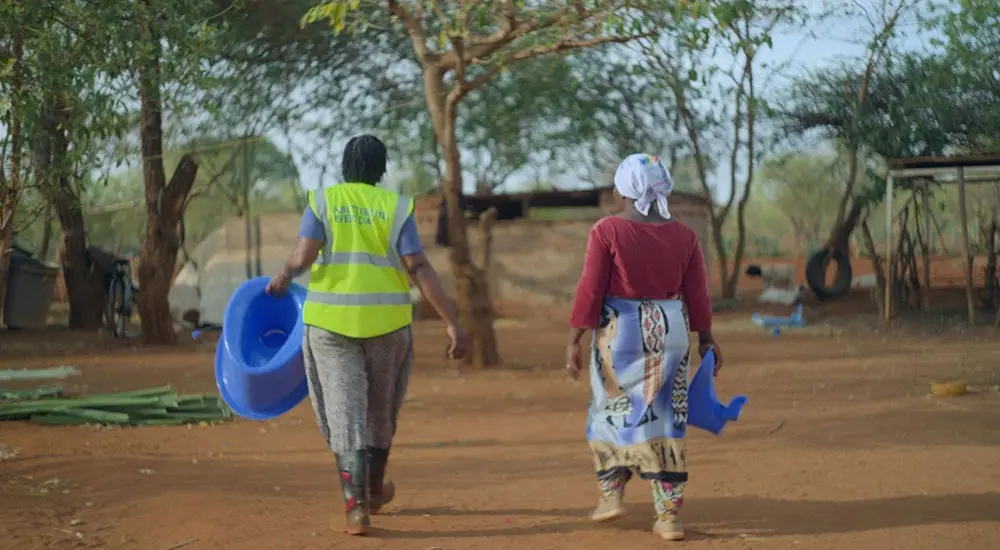
Since its inception, the global shared-value partnership has advanced initiatives aimed at strengthening access to safe sanitation and hygiene for underserved communities. Rather than relying solely on traditional aid models, the program achieves its mission by building self-sustaining local sanitation markets. Through this innovative economic and developmental framework, the partnership has successfully supported almost 20 million people to date, transforming public health outcomes and improving daily living conditions across multiple developing nations.
The newly published report outlines the progress made over the 12-month period leading up to March 2026. This comprehensive assessment details the program’s implementation and achievements across six core focus countries: Ethiopia, India, Indonesia, Kenya, Nigeria, and Tanzania. Within these diverse geographic regions, the initiative addresses unique regional challenges by tailoring its market-based strategies to local economic, cultural, and infrastructural landscapes.
As a key highlight of this year’s progress, direct access to basic sanitation rose significantly, reaching 1.3 million people during the reporting period, compared to 727,000 people the previous year. This remarkable nearly twofold increase underscores the growing effectiveness and scalability of the program’s operational framework.
This substantial growth was driven directly by a robust market-based approach centered on what the organizations define as the "five dimensions of market strengthening." This strategic framework encompasses critical developmental pillars, including building reliable supply chains for sanitation products, stimulating local consumer demand, fostering enabling environments through supportive policies, enhancing the capacity of local entrepreneurs and workforce participants, and ensuring affordability and financial access for low-income households. By strengthening these interconnected market dimensions, the initiative ensures that local economies can independently manufacture, market, distribute, and maintain sanitation solutions long after initial programmatic interventions take place.
The collaborative effort between LIXIL Corp. and UNICEF continues to serve as a prominent example of how corporate-NGO partnerships can drive measurable social impact while fostering long-term economic resilience in vulnerable communities. By addressing the foundational need for safe sanitation, the partnership contributes directly to broader global health, education, and gender equality objectives, particularly for women and children who are frequently disproportionately affected by inadequate sanitation infrastructure.
Stakeholders, industry professionals, policymakers, and members of the public interested in reviewing the complete data, country-specific breakdowns, and strategic insights can access the full report directly through the official LIXIL digital portal.