Art enthusiasts, historians, and modern design lovers now have a rare opportunity to explore the profound and enduring legacy of one of Los Angeles’s most influential ceramic artists. "Doyle Lane: Master of Clay" is currently on view at The Huntington Library, Art Museum, and Botanical Gardens, marking the first major museum retrospective ever dedicated to the pioneering midcentury artist. Running through March 1, 2027, the landmark exhibition brings together more than 100 works and rare archival documents, tracing Lane’s remarkable artistic evolution from functional pottery to monumental, light-filled architectural murals that fundamentally transformed the medium of ceramics.
The expansive exhibition offers the most comprehensive presentation of Lane’s practice to date. Visitors stepping into the galleries will encounter a diverse array of pieces that highlight the artist’s extraordinary versatility and technical mastery. The displays range from intimate, delicately crafted vessels and his iconic, highly sought-after "weed pots" to innovative "clay paintings," jewelry, intricate beads, and large-scale architectural commissions. Through these works, "Doyle Lane: Master of Clay" successfully situates the artist firmly within the pantheon of midcentury California modernism and the vibrant Southern California studio ceramics movement, while simultaneously casting a critical eye on the significant systemic barriers he navigated and faced as a Black artist working during a deeply segregated era.
Lane’s career was defined by an uncompromising dedication to texture, color, and glaze chemistry. Operating out of Los Angeles, he carved out a unique space for himself in the art world by bridging the gap between functional craft and abstract fine art. While many of his contemporaries focused strictly on traditional vessel-making, Lane pushed the boundaries of clay, treating it as a dynamic canvas for painterly expression and architectural integration. His "weed pots"—small, slender, textured vessels designed to hold minimalist botanical arrangements—became legendary for their sophisticated forms and rich, tactile surfaces. Meanwhile, his transition into "clay paintings" demonstrated an entirely new approach to the medium, merging sculpture and painting into singular, vibrant wall-mounted compositions that captured the distinct light and aesthetic ethos of midcentury Southern California.
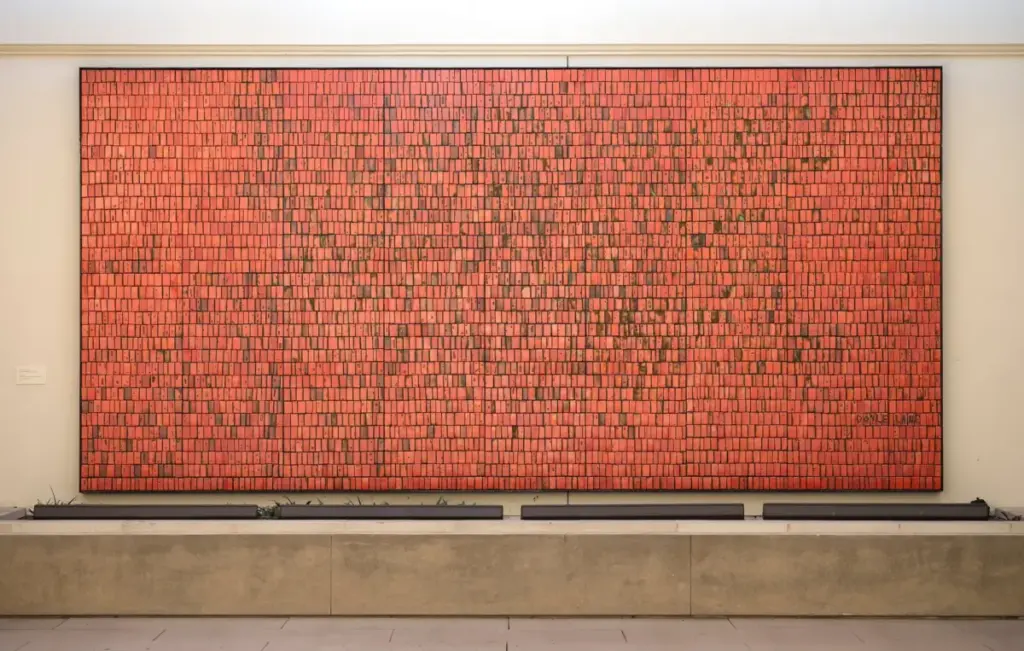
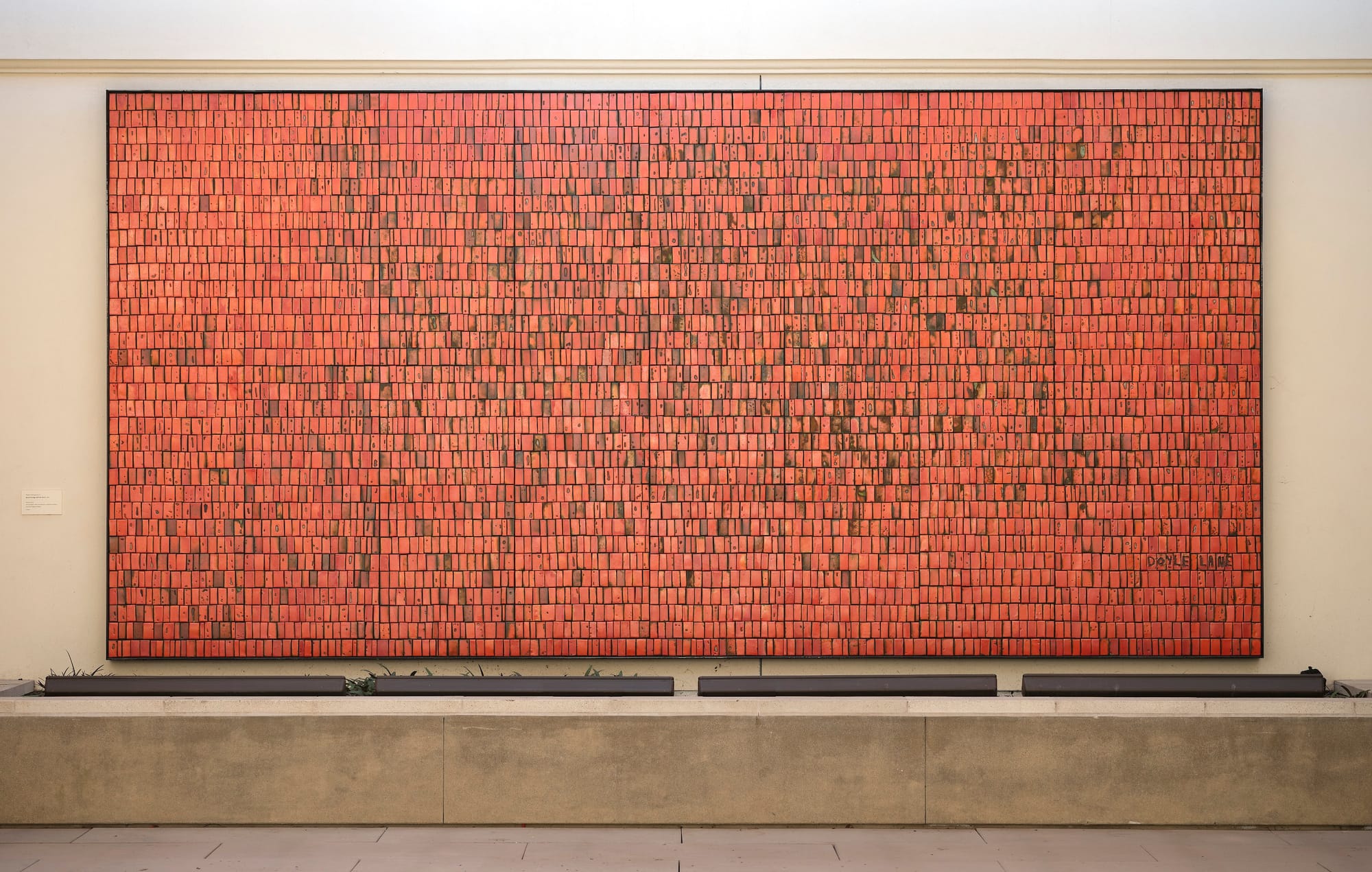
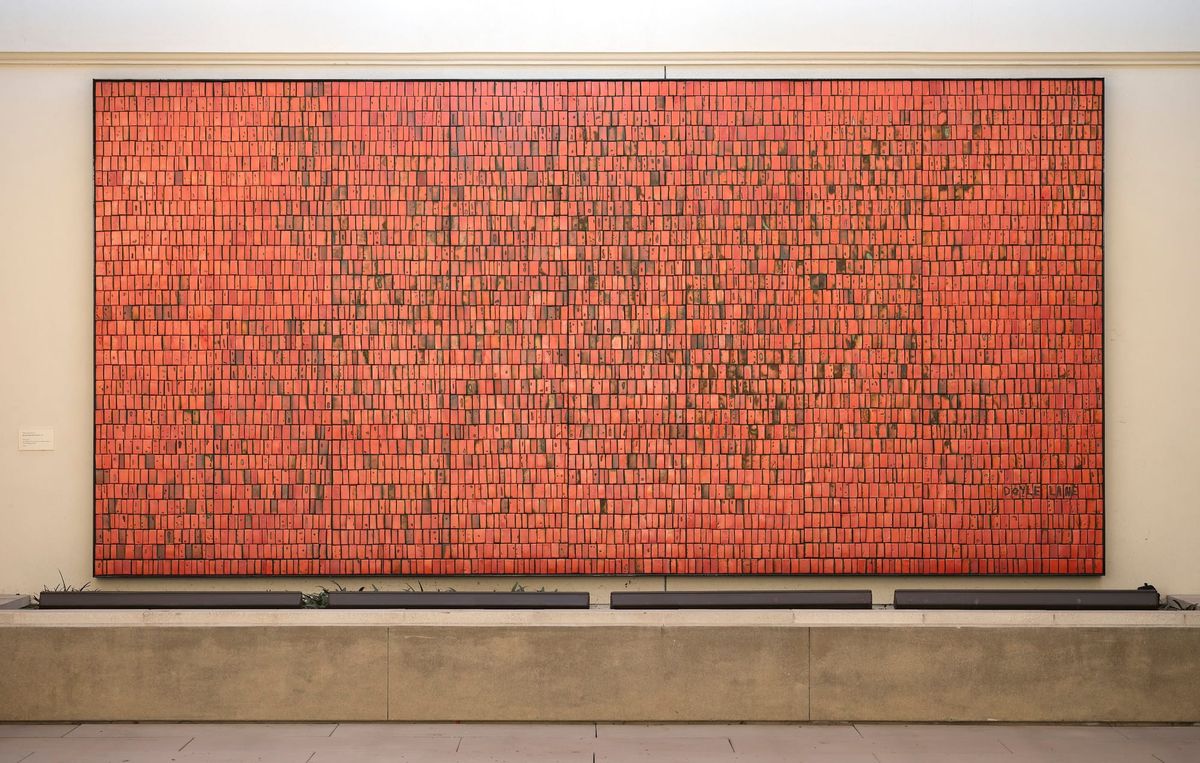
Beyond his studio practice, Lane left an indelible mark on the physical landscape of Los Angeles through his monumental architectural murals. One of the crown jewels of the exhibition is a look at his work on the Mutual Savings and Loan Mural created in 1964, a massive glazed earthenware installation measuring 100 by 216 inches, which stands as a testament to his ability to scale his intimate mastery of clay into breathtaking public art. These large-scale commissions transformed corporate and civic spaces, infusing rigid modern architecture with organic warmth, brilliant color, and intricate geometric relief.

The Huntington’s retrospective does not shy away from the complexities of Lane’s biography. While he achieved considerable local acclaim and commercial success during his lifetime, his contributions were frequently marginalized within the broader, white-dominated narratives of the American studio pottery movement. By examining these historical inequities alongside his dazzling artistic output, the exhibition offers a fuller, more honest appraisal of Lane’s place in art history. It highlights how a fiercely independent spirit enabled him to forge a distinct path, creating a body of work that continues to influence contemporary ceramicists and designers today.
The exhibition is enriched by a careful selection of archival materials that provide deeper context into Lane’s creative process, his materials, and his community in Los Angeles. Photographs, personal papers, and early catalogs help paint a vivid picture of an artist deeply engaged with his medium and his surroundings. Furthermore, the inclusion of loans from private collections and public institutions, such as the striking multicolored pyramid relief created between 1965 and 1970 from the collection of Juan Salazar and Luis Corona, as well as an orange, black, and red butterfly clay painting gifted by Cynthia Jackson, underscores the widespread admiration and preservation of his oeuvre by collectors and scholars alike.
"Doyle Lane: Master of Clay" stands as a long-overdue celebration of an artistic visionary whose work bridged the domestic and the monumental, the functional and the abstract. As visitors wander through the galleries at The Huntington, they are invited to witness firsthand the luminous glazes, meticulous forms, and groundbreaking vision of a master who redefined what clay could achieve. The exhibition is on view through March 1, 2027, at The Huntington Library, Art Museum, and Botanical Gardens, with additional information on visiting hours and tickets available through the institution’s official website.