The landscape and scattered settlements of Ireland carry a long-standing reputation for wildness. Rugged cliffs meet the relentless Atlantic, rolling green fields stretch across the interior, and shifting weather patterns of rain and wind alter the scene hour by hour. Yet a closer look at this terrain reveals a heavily worked landscape. Historic dry-stone walls divide agricultural plots, roads and pathways weave towns to the coast, and ancient castle ruins alongside vernacular cottages record centuries of human occupation and adaptation. Change has always been the expected condition of the island, shaped just as much by human hands, labor, and community needs as it has by raw geology and coastal weather. For generations, the practice of treating an existing architectural context as a primary material to be adapted, modified, and continually reimagined has run deep within the local culture.
Today, this tradition of adaptive reuse is taking on an entirely new urgency. Ireland possesses a vast and varied inherited building stock, ranging from humble vernacular cottages and rural farm compounds to grand Georgian and Victorian urban terraces. At the same time, a growing share of these properties sits vacant or derelict, even as contemporary housing remains acutely scarce and expensive for residents. Stringent planning regulations and heritage protections carefully dictate what elements of these historic structures can be altered, while a rapidly growing global and local focus on reducing embodied carbon makes the wholesale demolition of older buildings increasingly difficult to justify from both an environmental and ethical standpoint. Under these compounding pressures, design strategies centered on renovation have emerged as one of the most inventive, dynamic, and vital areas of contemporary Irish architectural design.
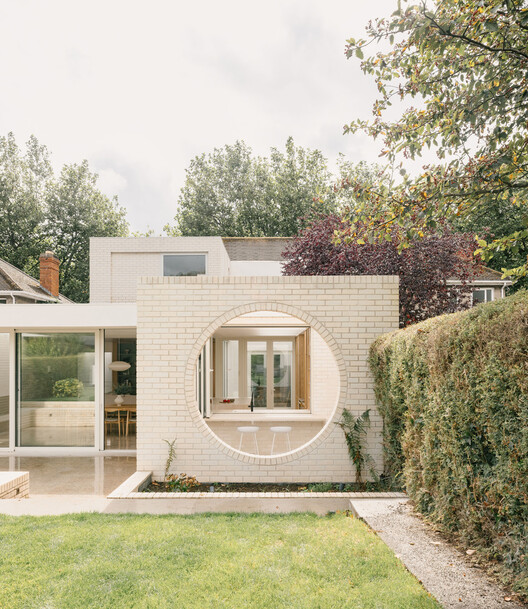
Architects across the country are finding ingenious ways to intervene in aging structures. Rather than erasing the past to start from scratch, they are carefully cutting into old masonry and timber frameworks to admit natural light, setting strikingly new materials against weathered and aged historic surfaces, and completely redesigning compartmentalized floor plans to support contemporary lives and daily routines. This pragmatic approach transforms constraints into creative catalysts, positioning the island as a living laboratory for sustainable building practices.
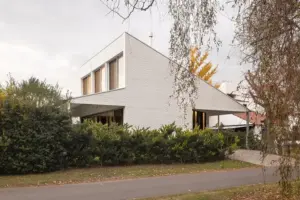
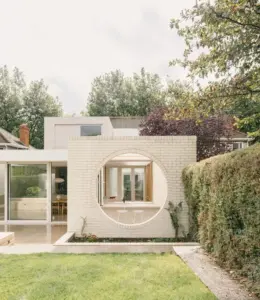
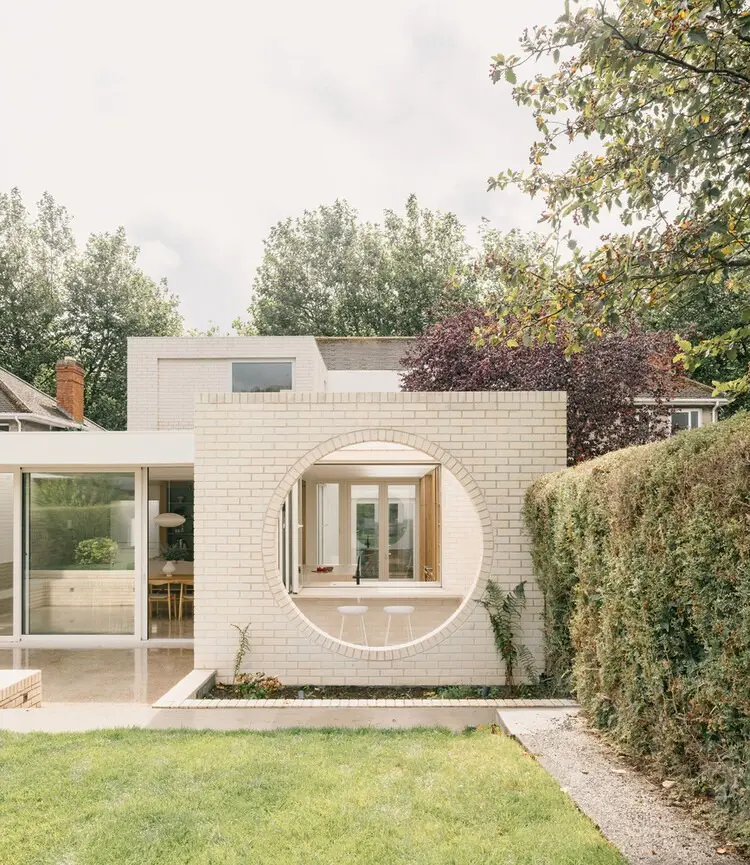
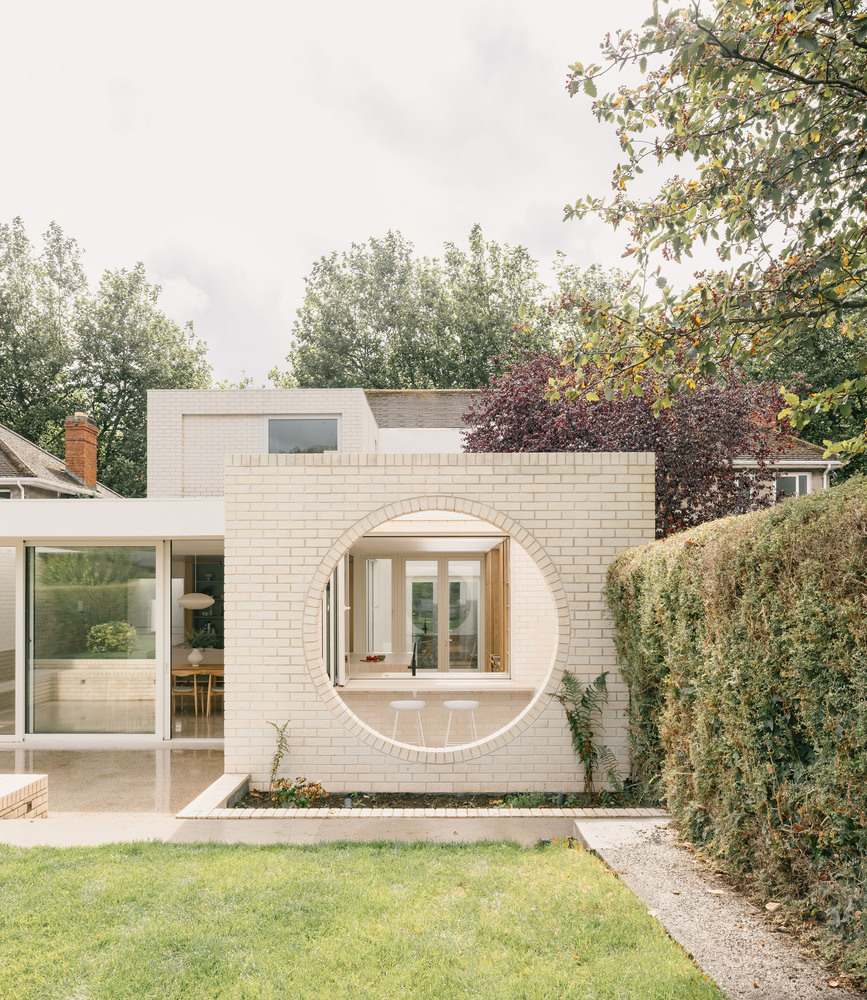
Projects like the Griffith Avenue House by Courtney McDonnell Architects exemplify this philosophy, demonstrating how domestic spaces can be thoughtfully expanded and reconfigured while maintaining a respectful dialogue with the original structure. Similarly, works such as Ballymorris House by Donal Colfer Architects and The Urban Cottage by Wrkshop Architects showcase the diverse ways local designers are breathing new life into traditional typologies. In the commercial and civic sectors, large-scale interventions—including the Hanging Gardens Office Building, a collaborative project by Carr Cotter & Naessens and Denis Byrne Architects—prove that the ethos of renovation is not restricted to residential architecture, but can successfully scale up to transform urban commercial environments.

These architectural responses reflect a broader cultural shift in how Ireland approaches its built environment. As the economic, ecological, and social demands of the twenty-first century converge, the act of building is increasingly becoming an act of rebuilding. By looking to the past not as a constraint, but as a rich material archive of spatial possibilities, Irish architects are forging a path where necessity directly breeds invention, turning the island’s deep-rooted history of modification into a blueprint for the future of sustainable architecture.