Across the country, educators are increasingly looking beyond the traditional four walls of the classroom to bring learning directly into the natural world. Mounting research continues to demonstrate that spending time outdoors significantly improves student focus, boosts confidence, and enhances overall emotional well-being. As schools search for meaningful ways to integrate nature into the daily routine, outdoor education has rapidly transitioned from an occasional treat to a core component of the modern curriculum.
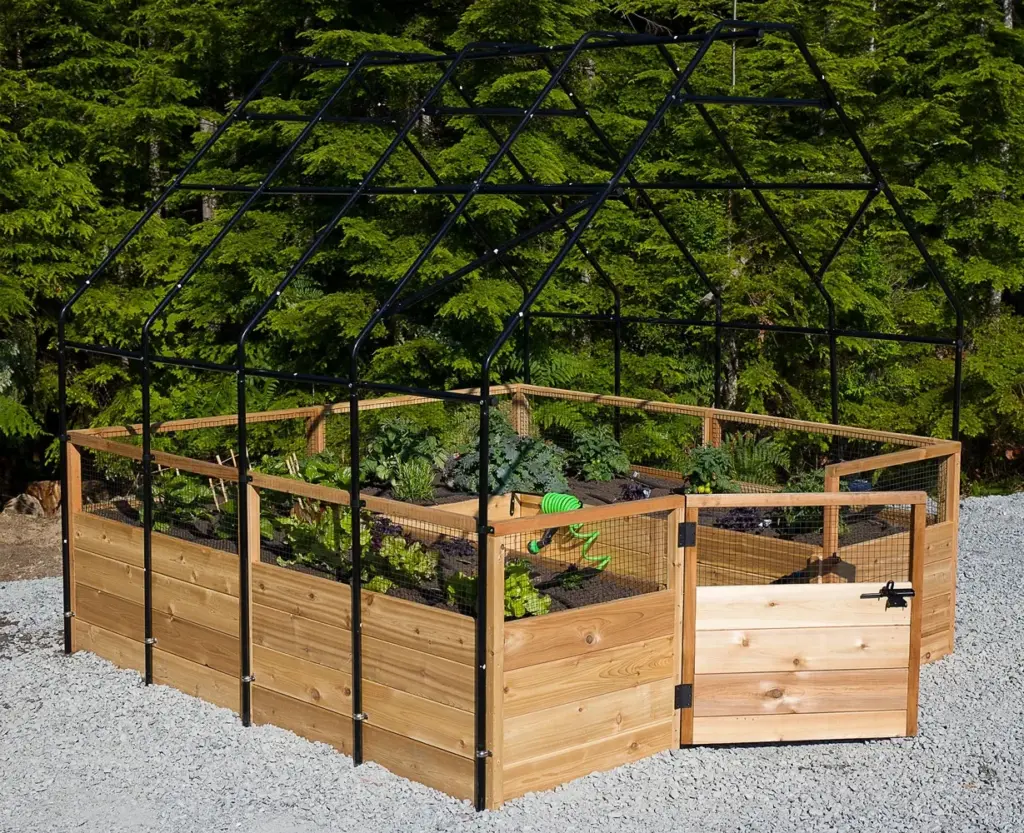
One of the most visible and successful initiatives taking root in schoolyards nationwide is the installation of dedicated garden beds. These raised growing spaces offer students an invaluable, tactile opportunity to explore complex scientific concepts, understand local food systems, and practice environmental responsibility firsthand. To support these growing initiatives, manufacturers such as Outdoor Living Today—a Canadian producer specializing in durable Western Red Cedar garden products—have begun providing reliable, long-lasting solutions designed to withstand the rigorous demands of school environments year after year.
Educational experts and administrators are embracing these green spaces because they offer far more than just a plot of land for growing vegetables. School gardens serve as living laboratories that bridge the gap between abstract textbook theories and tangible, real-world experiences. According to comprehensive research compiled by the American Horticultural Society, garden-based learning plays a critical role in boosting academic performance, encouraging higher levels of physical activity, and fostering essential social and emotional skills among students of all ages.
At the core of this movement is the reinforcement of traditional academic subjects through practical application. When students step outside to tend to plants, core subjects like mathematics, biology, and chemistry come alive. Measuring growth rates, calculating soil volumes, tracking weather patterns, and observing insect life cycles transform dry numbers on a page into dynamic, observable phenomena. This hands-on, experiential learning model capitalizes on the reality that children retain information much more effectively when they actively participate in the educational process rather than simply listening to a lecture. School gardens naturally spark innate curiosity, encourage experimentation, and provide a safe space for collaborative problem-solving.
Beyond academics, these green spaces have a profound impact on health and nutrition. Nutritionists and public health advocates have long worried about childhood dietary habits, but school gardens offer a direct countermeasure. When students actively participate in planting, nurturing, and harvesting their own food, their relationship with what they eat shifts dramatically. They become significantly more willing to try fresh vegetables and develop a deeper, more appreciative understanding of where their food actually comes from. This observation is strongly supported by research from Cornell University, which found that children who participated in school garden programs showed a much higher willingness to consume healthy, fresh produce compared to their peers without similar access.
The benefits also extend deeply into the psychological and social development of the student body. Gardening is an inherently patient and cooperative endeavor that teaches vital life lessons regarding responsibility, teamwork, and delayed gratification. As students work together to pull weeds, water plants, and protect tender shoots from pests, they learn the value of shared labor. Witnessing the direct results of their continuous efforts instills a profound sense of pride and accomplishment, bolstering self-confidence among children who might otherwise struggle in traditional testing environments.
Implementing a successful school garden program, however, requires careful preparation and coordination among teachers, administrators, and the broader community. The process typically begins with comprehensive planning and design, ensuring that the chosen location receives adequate sunlight and is easily accessible for students of all physical abilities. Once a layout is established, schools must secure the necessary administrative permissions and school board approvals before any ground is broken.
Gathering supplies is the next critical phase. A standard school garden requires durable raised beds, nutrient-rich soil, quality compost, hand tools suited for small hands, watering hoses, and appropriate seeds or starter plants. To manage costs and build community ties, many institutions successfully collaborate with local businesses, garden centers, and community members who are often eager to donate supplies, sponsor individual garden beds, or volunteer their time.
Integrating the garden directly into existing lesson plans is essential for long-term educational success. Rather than treating the garden as a separate extracurricular activity, innovative teachers weave gardening concepts into science, art, and social studies. Students might sketch the layout of the beds to practice geometry, write descriptive journal entries about sprouting seedlings, or study the cultural history of the vegetables they are cultivating. Keeping students actively involved in every single stage—from mapping out planting schedules to assigning daily care responsibilities—fosters a deep sense of ownership and keeps engagement levels high throughout the growing season.
Plant selection requires thoughtful consideration of local climate zones and seasonal changes. Educators often choose a diverse mix of fast-growing vegetables, aromatic herbs, and colorful flowers to maximize both the aesthetic appeal and the educational value of the space. To further support student learning, schools frequently establish small resource libraries featuring children’s gardening books, educational videos, and instructional worksheets. Some programs even invite local horticulturists and master gardeners to host specialized workshops and field demonstrations, connecting students with passionate professionals from their own communities.
Maintenance and care routines transform the garden into a daily classroom. Establishing a regular schedule for watering, weeding, and basic pest management teaches children about consistency and stewardship. This phase provides an ideal backdrop for teaching sustainable environmental practices, including the importance of soil health, water conservation, and composting organic waste from school lunches.
The culmination of these efforts arrives with the harvest. Schools frequently mark the occasion with a celebration to honor the hard work and dedication of the students. The freshly picked produce is often utilized directly in school cafeteria meals, featured in special classroom tasting sessions, or donated to local food banks and community organizations, reinforcing the connection between personal effort and community welfare. Finally, evaluation and reflection allow educators and staff to assess the overall impact of the program, gather valuable feedback, and make continuous improvements for future growing seasons.
For schools seeking long-term durability in their outdoor installations, material choice remains a critical factor. Western Red Cedar has emerged as a premier choice for educational infrastructure due to its natural, non-toxic properties. Because it resists natural decay and weather elements without the need for chemical treatments, it provides a safe, child-friendly environment for growing edible plants. Its exceptional longevity significantly reduces the need for frequent replacements and long-term maintenance, representing a fiscally responsible and sustainable investment for educational institutions looking to enrich their campuses for years to come.