A successful outdoor structure begins long before the first wall panel is raised or the roof is secured. According to building experts at Outdoor Living Today, the secret to a long-lasting, structurally sound shed lies entirely in what sits beneath it: a sturdy, level foundation. To help homeowners eliminate the guesswork and confusion often associated with site preparation, the company has released a comprehensive advisory detailing the foundational steps and options required to ensure outdoor buildings stand the test of time.
Whether a project is being undertaken by a seasoned do-it-yourself enthusiast or a first-time homeowner, experts emphasize that skipping foundational steps can lead to sagging floors, misaligned doors, and premature structural wear. The newly outlined advisory walks builders through the critical phases of site selection, ground preparation, and material selection, ensuring that every shed kit rests on a solid, reliable base.
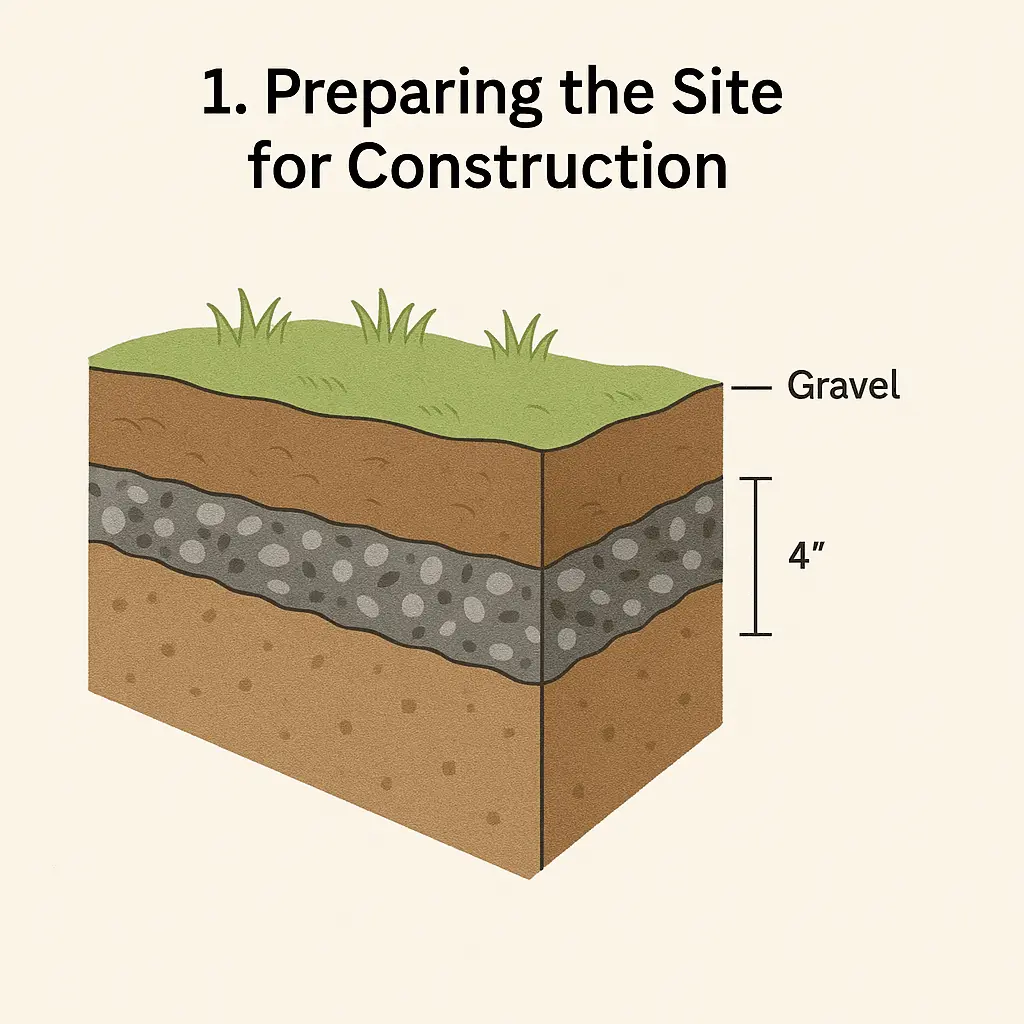
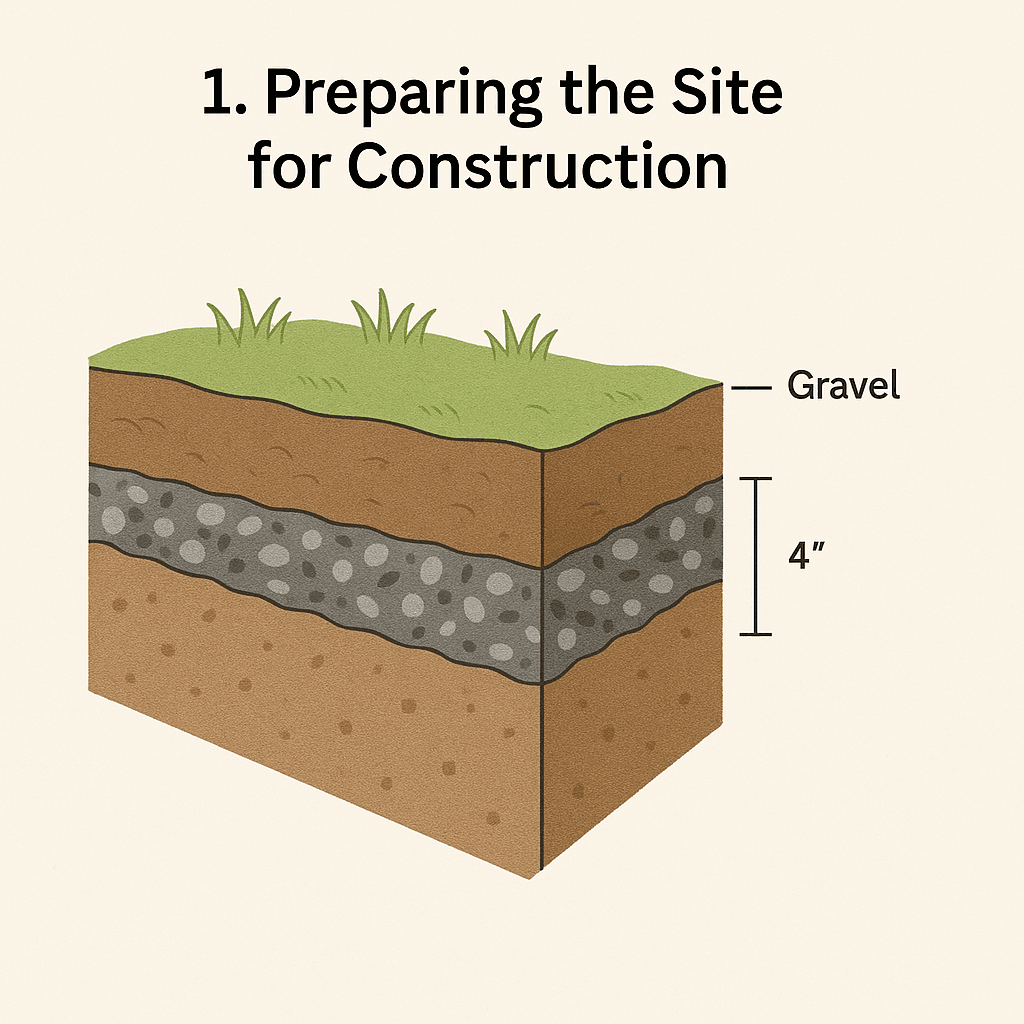
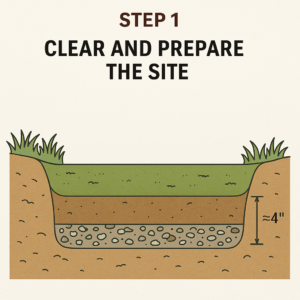
The process begins well before any building kit arrives at a property. Step one focuses heavily on clearing and preparing the installation site. Builders are advised to clear away all debris, rocks, and organic material that could decompose and cause the ground to settle unevenly over time. Ensuring proper drainage away from the planned site is another critical element of this initial phase, as pooling water can compromise both the foundation and the lower framing of the structure. For those opting for gravel bases, industry professionals recommend incorporating landscape fabric beneath the aggregate material. This simple addition serves a dual purpose: it suppresses unwanted weed growth and prevents the underlying soil from shifting or mixing with the gravel over time.
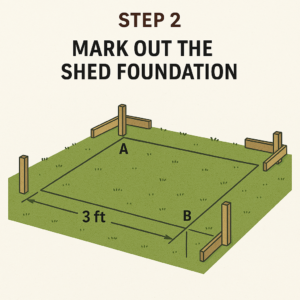
Once the site is thoroughly cleared, the project moves to the second phase: accurately marking out the perimeter of the shed foundation. Precision at this stage is vital to ensure the entire structure remains square, which directly impacts the ease of assembly and the long-term durability of the building. Homeowners struggling to achieve perfect right angles are reminded that modern technology offers practical solutions. A variety of mobile applications and online calculators are readily available to assist builders in checking square measurements using specific shed dimensions, reducing the margin for human error during the layout process.
With the site prepared and accurately measured, builders face the third and most crucial decision: selecting the appropriate foundation type for their specific needs and property conditions. Outdoor Living Today highlights three primary foundation options recommended for standard shed kits, each offering distinct advantages depending on budget, skill level, and permanence.
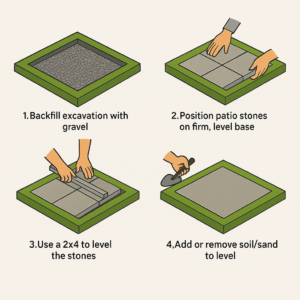
The first option is the patio stone foundation, widely recognized for being quick to install, budget-friendly, and relatively forgiving. Patio stones provide a stable surface that can be easily adjusted or moved if ground conditions shift. This method is often favored by DIYers looking for a straightforward, accessible approach that does not involve heavy masonry work or permanent excavation.
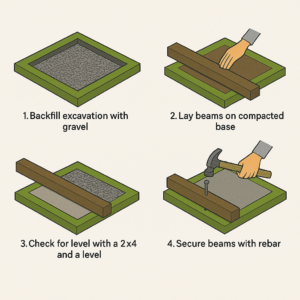
The second recommended approach utilizes four-by-four pressure-treated beams. This method elevates the structure slightly off the ground, a design choice that offers significant functional benefits. By creating space underneath the building, the pressure-treated beam foundation allows for enhanced air circulation, which helps prevent moisture accumulation and wood rot over time. It is a traditional and highly reliable method for wooden shed kits, balancing structural stability with ease of installation.
For property owners seeking maximum durability and permanence, the concrete slab foundation remains the gold standard. A properly poured concrete pad offers unbeatable structural integrity, exceptional load-bearing capacity, and superior pest resistance. While it requires more labor, planning, and material investment upfront, a concrete slab provides a permanent, perfectly level platform that will outlast virtually all other foundation types.
Regardless of the foundation type chosen, experts stress that final preparations must be handled with care. Environmental factors, local frost lines, and soil types should always be taken into consideration before breaking ground. Furthermore, while general best practices apply broadly across most outdoor building projects, individual product designs often feature unique structural requirements.
To ensure optimal results, Outdoor Living Today advises builders to consult the specific product assembly manual included with their kit or provided through official documentation. Tailored instructions found within these manuals take into account the unique engineering and weight distribution of each specific model, bridging the gap between general site preparation and a flawless final build.