When architects, interior designers, and specialty woodworkers evaluate materials for outdoor structures, fine interior finishes, or custom projects, two distinct softwoods consistently emerge as top contenders: Sugi, also known as Japanese Cedar, and Western Red Cedar. Both of these remarkable species are celebrated globally for their natural beauty, structural durability, and unique performance characteristics. Yet, despite sharing several key advantages—most notably an inherent resistance to rot and insect infestation—they possess fundamentally different origins, aesthetic profiles, densities, aromatic qualities, and long-term stabilities.
This comparative overview provides a balanced, educational look at how each wood performs, examining their respective heritages, physical properties, and optimal applications to help professionals and hobbyists understand when one timber may be preferred over the other.
What Is Sugi?
Sugi refers specifically to the timber harvested from the Japanese cedar tree, scientifically classified as Cryptomeria japonica. As a tall evergreen conifer native to Japan, Sugi occupies a foundational place in the country’s architectural history. For centuries, master builders have relied on Sugi for traditional Japanese architecture, utilizing it extensively in sacred temples, historic shrines, residential homes, and intricate interior paneling.
The wood is characterized by several key traits that have made it enduringly popular. Sugi is remarkably lightweight, featuring a straight, uniform grain that typically ranges in color from pale yellow to light brown, occasionally displaying soft, warm reddish undertones. Like its North American counterpart, Sugi possesses a natural resistance to decay, insects, and fungi, allowing it to withstand the elements when properly maintained. It is celebrated for its fine texture and smooth visual appearance, lending a refined, understated elegance to finished surfaces. Beyond its physical attributes, Sugi holds deep cultural significance in Japanese craftsmanship, representing a blend of utility and aesthetic harmony that has been passed down through generations. Today, the wood is utilized across a wide range of industries, including general construction, interior paneling, bespoke furniture, and specialized woodworking projects, offering a reliable balance of durability and exceptional workability that is valued both domestically in Japan and internationally.
What Is Western Red Cedar?
In contrast, Western Red Cedar, known botanically as Thuja plicata, grows natively along the rugged Pacific Northwest coast of North America, thriving in regions stretching from British Columbia down through Washington and Oregon. Renowned for its rich color palette, deeply aromatic scent, and exceptional outdoor performance, Western Red Cedar has become a staple of exterior construction and landscaping across North America and beyond.
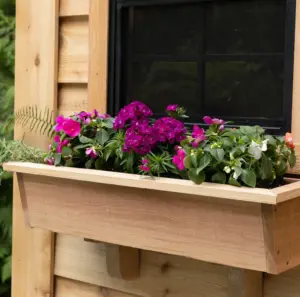
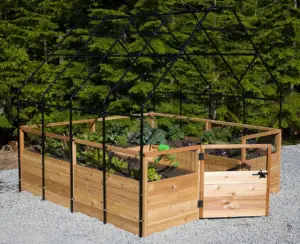
The key characteristics of Western Red Cedar stem largely from its growing environment and chemical composition. The wood is distinguished by its warm, rich reddish-brown tones, which are accompanied by distinct, prominent grain patterns that offer a bold and inviting aesthetic. Due to a naturally high concentration of cellular extractives, Western Red Cedar possesses an outstanding level of natural resistance to rot, decay, and boring insects. Furthermore, the species boasts low density and remarkable dimensional stability, meaning it reacts minimally to fluctuations in moisture and humidity. This stability translates directly to a long lifespan outdoors, even when subjected to persistently wet, coastal, or highly variable climates. Alongside its environmental performance, Western Red Cedar carries strong cultural and economic value in North American woodworking traditions, historically serving Indigenous peoples for structural and artistic purposes before becoming a commercial standard for modern outdoor amenities. Consequently, it is commonly specified for a wide variety of outdoor applications, including sheds, exterior siding, fencing, pergolas, raised garden beds, greenhouses, and outdoor furniture.
Sugi vs. Western Red Cedar: A Side-by-Side Comparison
To fully appreciate how these two softwoods compare in practical application, it is helpful to examine them across several specific categories, beginning with their species and geographic origins. Sugi derives from Cryptomeria japonica and is deeply rooted in the ecology and culture of Japan, while Western Red Cedar comes from Thuja plicata, native to the coastal rainforests of the Pacific Northwest. Despite these contrasting origins, both materials are softwoods that share a long and distinguished history of structural and cultural utilization.
When evaluating appearance, the differences become more pronounced. Sugi presents a softer visual tone characterized by a light yellow-to-brown coloration, occasional reddish hints, and a fine, straight grain that creates a uniform look. Western Red Cedar offers a much warmer aesthetic featuring rich reddish-brown hues and more pronounced, dynamic grain patterns. Neither wood is objectively superior in this regard; rather, the choice depends entirely on personal preference and design intent. Designers seeking color variation and a dramatic, warm aesthetic typically lean toward cedar, whereas those desiring a lighter, more uniform appearance often choose Sugi.
In terms of durability and decay resistance, both species utilize natural oils to defend against fungi, insects, and moisture-induced degradation. Sugi is naturally durable but maintains a slightly softer overall structure, performing admirably outdoors when given proper maintenance. Western Red Cedar, however, stands out as one of the most naturally decay-resistant woods available anywhere in the world, making it exceptionally well-suited for wet, coastal, or extreme weather environments. While both are resilient, Western Red Cedar holds a subtle advantage when it comes to harsh, long-term outdoor exposure.
Density and weight also dictate how each wood is handled and where it performs best. Sugi is exceptionally lightweight—comparable to pine—making it remarkably easy to cut, shape, and handle during installation. Western Red Cedar is also considered a lightweight timber, yet it possesses a slightly higher density than Sugi. This real-world difference impacts performance: cedar’s modest increase in density contributes to superior outdoor dimensional stability, while Sugi’s lower weight and workability make it an exceptional choice for intricate indoor craftsmanship.
Regarding uses and applications, both softwoods have carved out clear niches. Sugi is frequently chosen for structural framing, flooring, interior finishing, traditional Japanese architectural elements, fine furniture, and small-scale woodworking projects. Western Red Cedar dominates the exterior landscape, commonly deployed for heavy-duty outdoor structures such as sheds, pergolas, fences, and greenhouses, as well as decking, siding, garden beds, outdoor furniture, trim, paneling, and architectural accents. While both are versatile, cedar excels specifically in punishing outdoor environments where weather resistance is paramount.
Finally, the aromatic qualities of each wood offer distinct sensory experiences. Sugi emits a mild, sweet, and pleasant scent that has long been valued in Japanese culture for its calming and grounding properties. Western Red Cedar is famous for its rich, highly distinctive aroma, frequently described as fresh, warm, and inherently protective, a fragrance generated by the very oils that deter insects and protect the tree in its native forest habitat.