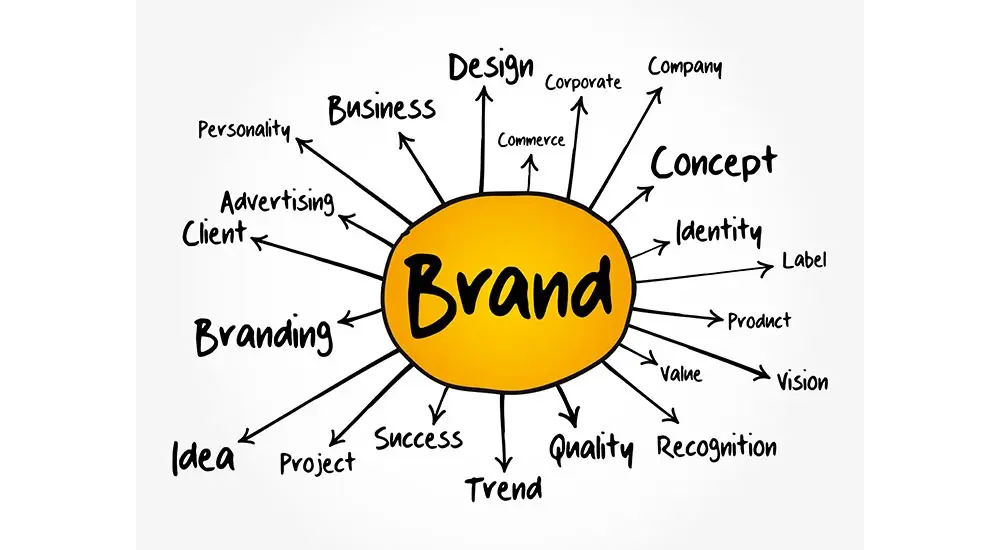
In an era where attention spans are frequently measured by the lifespan of the latest viral meme, modern firms are discovering that the true secret sauce of marketplace survival lies deep within the psychology of branding. Understanding the cognitive and emotional underpinnings of how people perceive business identity has become the ultimate key to standing out in a crowded marketplace characterized by a sea of sameness. Industry experts and corporate strategists alike are increasingly recognizing that a firm’s brand is far more than just a decorative fancy logo or a snazzy, memorable tagline. Instead, it serves as a comprehensive reflection of all those subtle subconscious cues that either whisper or shout to prospective clients, partners, and the public about precisely what a firm stands for, why its mission matters, and how it delivers value.
As competition intensifies across virtually every sector, businesses are moving away from treating branding as a superficial graphic design exercise. Instead, corporate leadership is taking a hard look at the behavioral science that dictates how human beings evaluate, trust, and ultimately choose to partner with one firm over another. By examining the intricate intersections of cognitive psychology, emotional resonance, and consistent execution, organizations are learning how to transform their public image from a static corporate entity into a living, breathing relationship built on authentic human connection.
The Science of First Impressions: Snap Judgments and Brand Perception
Cognitive psychology tells us that human beings form first impressions at astonishing speeds—often faster than one can articulate the word branding itself. We are talking about split-second determinations occurring within mere milliseconds. These rapid, snap judgments rely heavily on immediate visual cues, overarching tone, and absolute behavioral consistency. All of these elements are utterly pivotal to making meaningful connections with other people in both professional and social settings.
To understand this phenomenon in practice, one only needs to think of a firm’s digital presence, its website layout, physical business cards, or even the subtle demeanor and professionalism with which a team shows up to high-stakes client meetings. These specific touchpoints serve as direct reflections of a firm’s overarching brand identity. They create immediate, lasting impressions that trigger mental shortcuts within the human brain. These subconscious shortcuts act as internal barometers, telling prospective clients whether they can trust you, whether they genuinely like you, and ultimately, whether they want to invest their time, money, and confidence in hiring your firm.
For businesses looking to successfully navigate this landscape and ace that critical first impression, consistency emerges as an absolute essential. When an organization aligns its visual presentation seamlessly with its messaging, every single client interaction begins to feel like a natural chapter of the exact same overarching narrative. This deliberate alignment not only builds a deep and enduring foundation of trust, but it also helps people remember the organization long after an initial meeting has concluded. It mirrors the experience of engaging with a firm whose cohesive branding makes every single touchpoint feel deeply thoughtful, intentional, and reassuringly professional.
Emotional Branding: Connecting Beyond Services
While visual consistency opens the door, emotional resonance provides the key to sustained business relationships. Emotional resonance is often discussed as a technical industry term, but in reality, it simply describes that undeniable magic spark that occurs when two human beings truly connect on a fundamental level. Business analysts point out that commercial brands benefit from utilizing this exact same psychological concept. A prospective client might easily forget the precise details, granular data, or bullet points featured within a standard corporate pitch deck, but they will invariably remember how that presentation and the people behind it made them feel.
To cultivate these kinds of strong, lasting emotional connections, organizations must look far beyond a standard, clinical services list. Business leaders are increasingly forced to ask themselves deep organizational questions: What does our firm truly stand for at its core? Are we defined by relentless innovation, unwavering reliability, or acting as the trusted, steady guide within our respective industry? Whatever that core essence may be, it must be allowed to shine brightly. This radiant authenticity should resonate not just in polished marketing materials and advertising campaigns, but in every single interaction with individuals both outside and inside the corporate ecosystem.
Industry veterans frequently emphasize that authenticity is everything in modern commerce. Human beings possess an innate radar for insincerity and can easily detect a manufactured or fake brand story from a mile away. In the modern marketplace, nothing tanks a firm’s hard-earned credibility faster than a perceived lack of genuine corporate character.
Practical Strategies to Build a Resonant Brand
Building a robust, resonant brand identity requires much more than commissioning a clever logo or drafting a catchy tagline. It involves a continuous series of strategic actions designed to reinforce a firm’s core values and overarching mission at every single operational turn.
At the foundational level, this requires clearly defining a brand’s core values—establishing the definitive north star that guides all organizational behavior and sprinkling those guiding principles generously throughout every layer of public and internal messaging. Furthermore, consistency must be strictly maintained across all touchpoints. Whether a client encounters the firm via its primary website, an executive post on professional networking platforms like LinkedIn, or even down to the visual typography displayed on office coffee mugs, the presentation must remain entirely cohesive. In business, mixed signals belong in the category of unreliable navigation tools, not corporate identity systems.
Storytelling with purpose has similarly emerged as a critical driver of modern brand engagement. While audiences universally appreciate a well-told narrative, corporate communicators must ensure that every story has a clear, impactful point. Effective storytelling focuses heavily on highlighting a firm’s tangible impact, relying on real stories, real people, and verifiable results rather than abstract corporate jargon.
Simultaneously, engaging audiences on an emotional level requires the intentional use of language and visuals designed to evoke genuine psychological responses. Whether a brand aims to make its audience feel deeply inspired, intensely confident, or personally cared for, these emotional undercurrents serve as the psychological glue that makes brands memorable over the long term. Finally, progressive firms treat client feedback as an invaluable commodity. By regularly asking clients what specific elements resonate with them, organizations can gather vital operational intelligence to continuously refine and sharpen their brand positioning.
Ultimately, effective branding is far more than a routine marketing exercise; it is an inherently psychological endeavor. By tapping into the complex cognitive and emotional factors that continuously drive human decision-making, modern firms can successfully construct a brand identity that does not merely get noticed for a fleeting moment, but rather gets remembered for years to come. Because at the end of the day, commercial enterprises are fundamentally built on relationships formed with real clients, trusted consultants, and vital business partners, making the human connection the ultimate metric of lasting success.