The John D. and Catherine T. MacArthur Foundation announced its annual cohort of MacArthur Fellows, honoring 20 exceptional individuals with the prestigious unrestricted financial award commonly known as the "genius grant." Among this year’s recipients are four prominent visual artists whose boundary-pushing practices span multimedia communication, sculptural investigations of the American South, large-scale narrative painting, and community-engaged public art.
Each of the 20 fellows will receive an unrestricted award of $800,000, distributed in quarterly installments over five years. The MacArthur Foundation describes the fellowship as a no-strings-attached prize awarded to individuals who demonstrate exceptional creativity in their respective fields and show the profound promise of still more groundbreaking work in the future. Candidates are nominated confidentially by an external pool of experts and selected by an independent committee.
Since the fellowship program was established in 1981, the foundation has awarded 1,195 MacArthur Fellowships across a vast array of disciplines, including art history, visual culture, literature, health policy, anthropological research, musical performance, and entrepreneurship. The 2026 class continues this tradition of recognizing exceptional talent across diverse intellectual and creative landscapes, spotlighting figures whose contributions significantly impact culture and society.
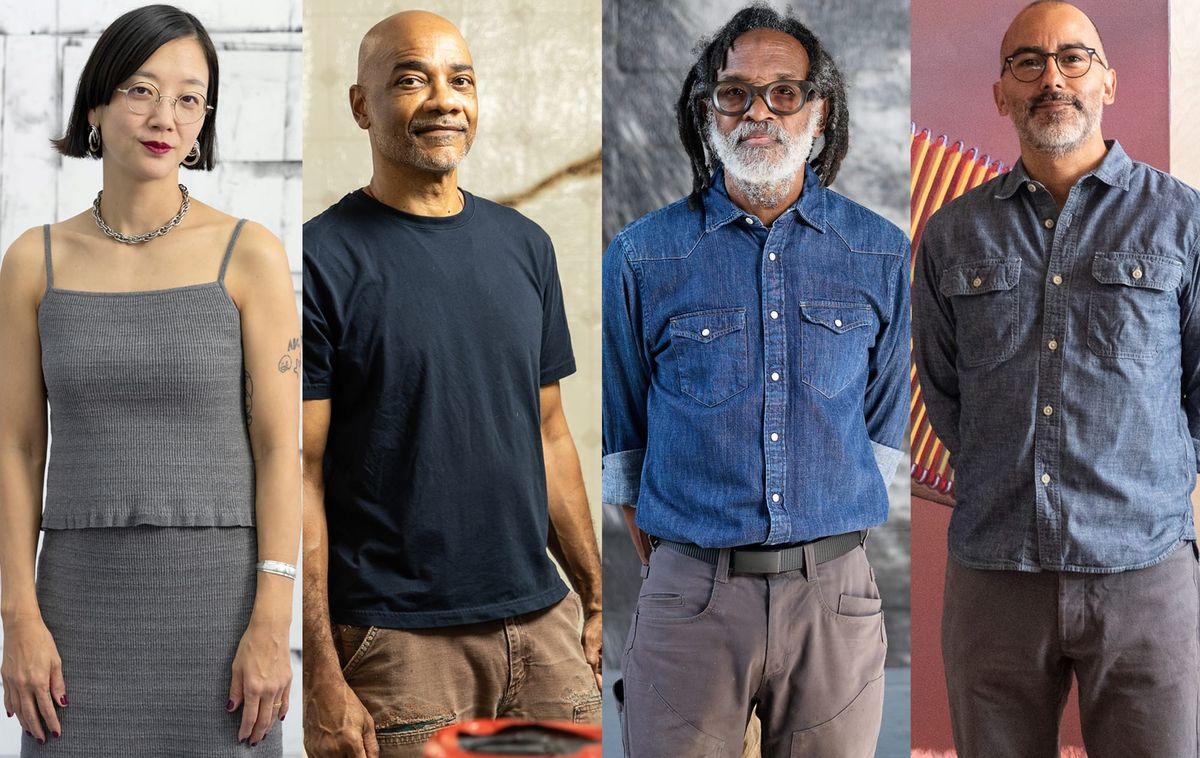
Among the visual artists honored this year is Berlin-based artist Christine Sun Kim, whose multidisciplinary practice explores the political and social dimensions of communication through billboards, murals, performances, and multimedia artworks. As a sound artist who is Deaf, Kim frequently investigates how power dynamics intersect with sound, language, and hearing society. Her works often translate concepts between American Sign Language and American English, as demonstrated in her 2020 video project "Palm Reader," which animates the visual signs for authoritative concepts such as "state" and "rule." Through her incisive aesthetic interventions, Kim challenges normative assumptions about sound and language, creating visual representations of auditory culture that prompt viewers to reconsider how information and authority are communicated.
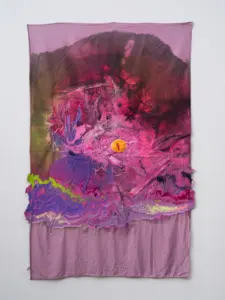
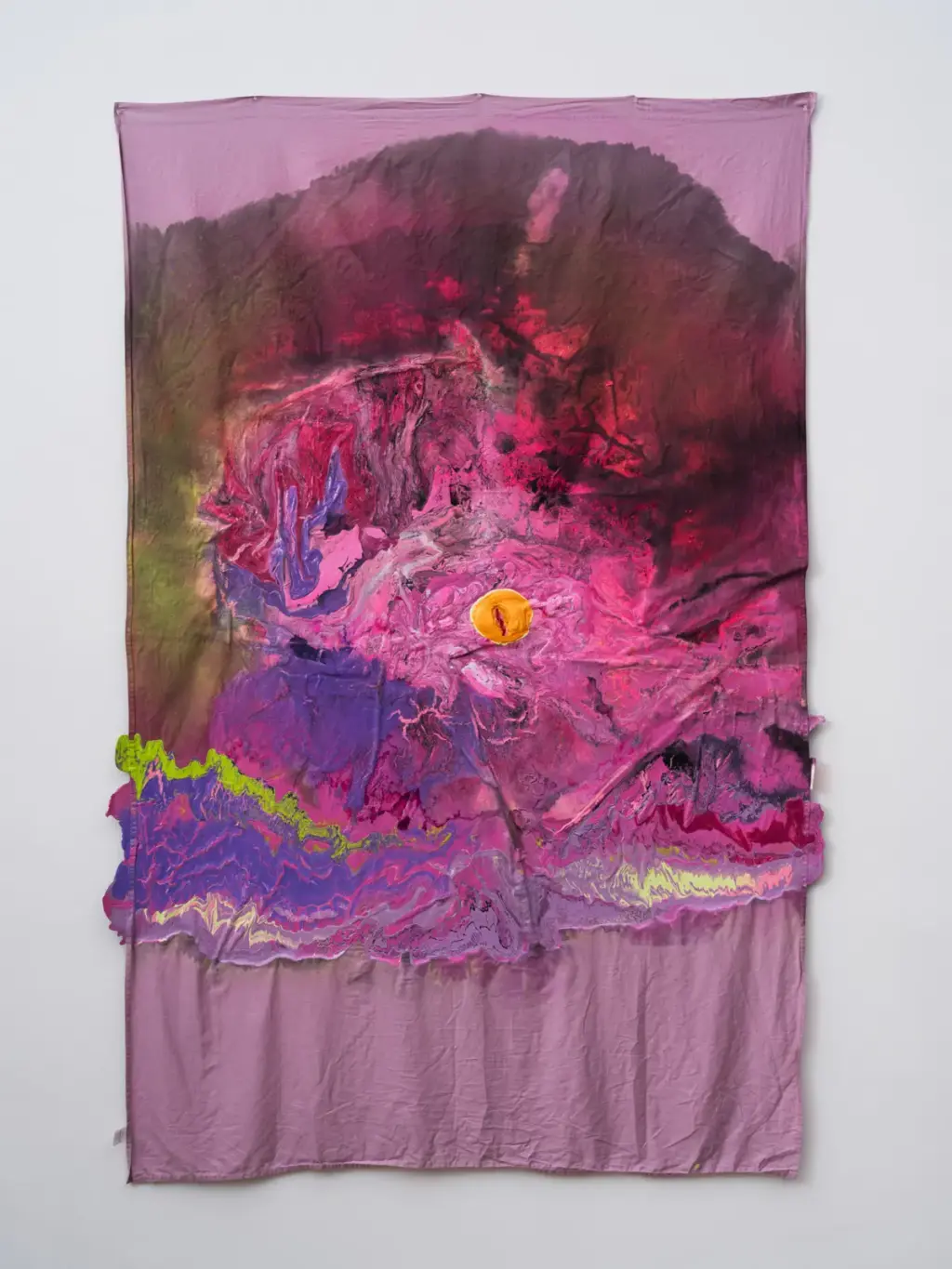
Also named to the 2026 fellowship class is Los Angeles-based artist Rodney McMillian, whose multifaceted practice utilizes unconventional materials such as secondhand quilts, thrifted household objects, and everyday items like a cast-iron piggy bank to probe deep-seated American narratives. McMillian’s work frequently investigates the intersections of race, class, history, and socioeconomic injustice in the United States. In his 2026 exhibition titled A Son of the Soil at the Columbia Museum of Art, McMillian returned to his hometown of Columbia, South Carolina, to present a body of work that reflects his ongoing aesthetic and political investigations into the American South. His sculptures and installations draw direct attention to historical inequities and the persistent echoes of the past in contemporary American life.
Working from his studio in Houston, Texas, Vincent Valdez merges traditional Chicano art practices with sophisticated narrative painting techniques. Valdez’s canvases are frequently rendered at an expansive, mural-like scale, deliberately designed to confront viewers with the systemic injustices, socioeconomic inequities, and cultural stereotypes experienced by his subjects. His monumental eight-foot-tall painting "So Long, Mary Ann" (2019), for instance, depicts a tattooed man with his hands clasped in a gesture that infuses the portrait with deep empathy, humanity, and profound dignity. By placing marginalized figures at the center of monumental historical painting, Valdez insists on their visibility and historical importance.
Chip Thomas brings a unique perspective to the 2026 cohort, having maintained a decades-long artistic practice that coincided with his career as a primary care physician for the Navajo Nation, from which he officially retired in 2023. Working in close collaboration with the Diné people, Thomas has integrated striking black-and-white photography into rural structures across the Navajo Nation’s land and erected large-scale murals that honor the community. He is also the founder of the Painted Desert Project, which operated between 2012 and 2022, connecting visiting public artists with local communities to create collaborative mural projects that celebrate indigenous culture and landscape.

In addition to these four visual artists, the 2026 MacArthur Fellowship cohort includes several other notable figures from the literary, performing, and musical arts. Among them are poet Layli Long Soldier, fiction writer Bryan Washington, dancer and choreographer Trajal Harrell, and saxophonist and composer Immanuel Wilkins.
The complete list of individuals named as 2026 MacArthur Fellows comprises Holly Jean Buck, Felipe De Brigard, Ellora Derenoncourt, Elizabeth Ellis, Kaiyu Guan, Trajal Harrell, Marika Holland, Christine Sun Kim, Song Lin, Layli Long Soldier, Rodney McMillian, Maaza Mengiste, Ariel Ron, Kate Spradley, Chip Thomas, Vincent Valdez, Vincenzo Vitelli, Bryan Washington, Immanuel Wilkins, and Liangfang Zhang.