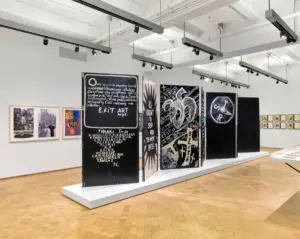
Ascending to the third floor of New York City’s Society of Illustrators this fall feels very much like stepping into a carefully guarded secret garden. Far removed from the concrete bustle of the surrounding streets, the exhibition space is aglow with natural daylight and a remarkable array of rare flora. These plants are not present in situ, but rather captured in vivid, enduring detail across 50 framed works that comprise the winners of a special collaboration with the American Society of Botanical Artists for its 29th Annual International Exhibition. The works radiate a quiet, striking majesty, yet the intricate sumptuousness of the art is undeniably agonizing when viewed through the pressing contemporary lens of climate change and environmental loss.
With strong autumn sun rays streaming through the windows, the plant-potted upper patio and gallery spaces of the Society of Illustrators transform into a jewel box of illuminated light. A parade of meticulous watercolors, rendered on delicate vellum or fine watercolor paper, basks in the warm sunlight, highlighting the incredible technical skill of the artists involved. Here, visitors encounter a profound sense of awe—not only for Mother Earth and her diverse plant life, but also for the botanical artists themselves, whose meticulous and enchanting creative practices serve as a visual outcry. Every bud, stem, leaf, petal, bark, seed, blade, stamen, and root is rendered with a level of precision that suggests deep devotion, transforming each painting into both a celebration of natural beauty and a poignant archive of what currently exists on our planet.
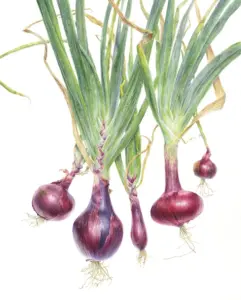
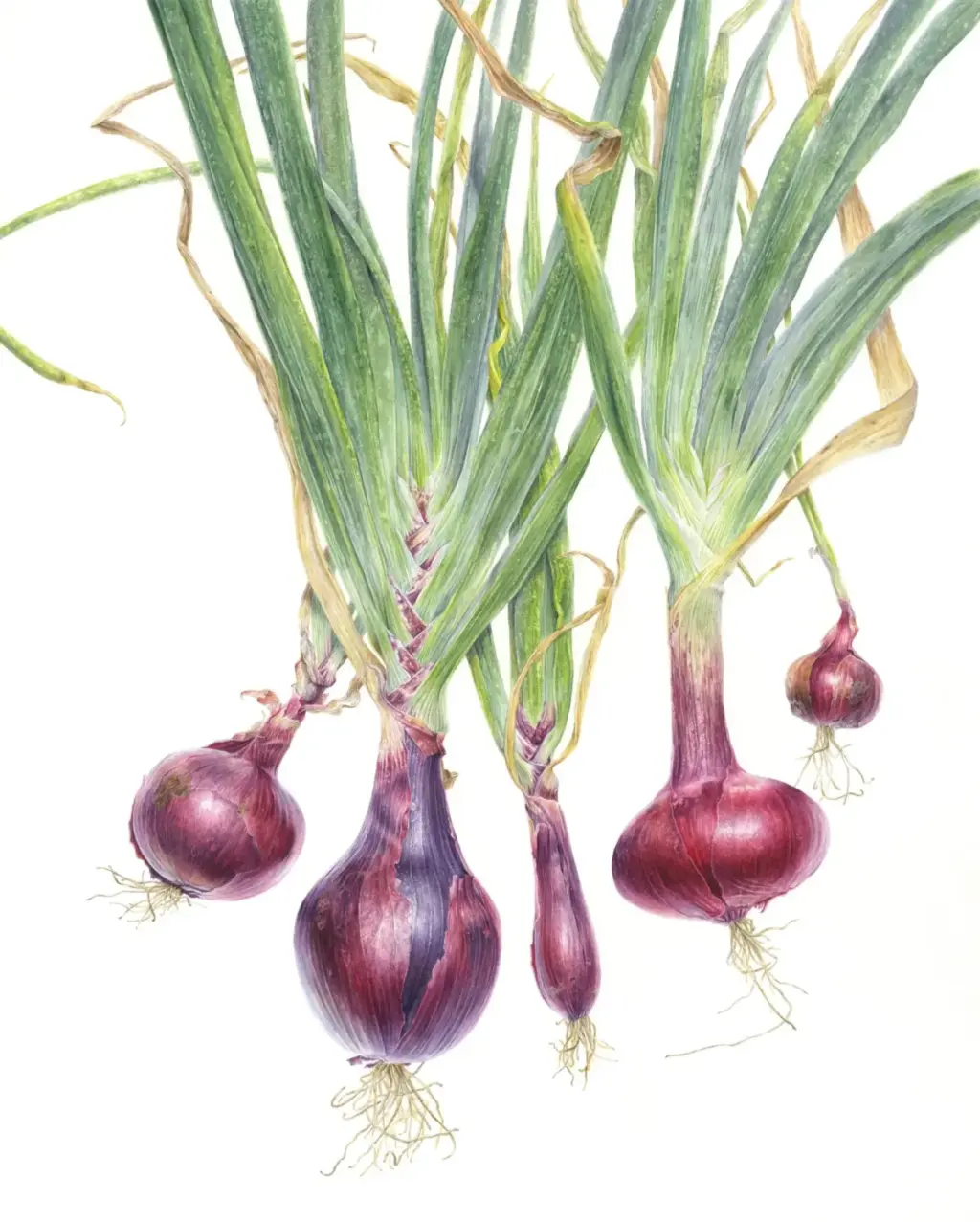
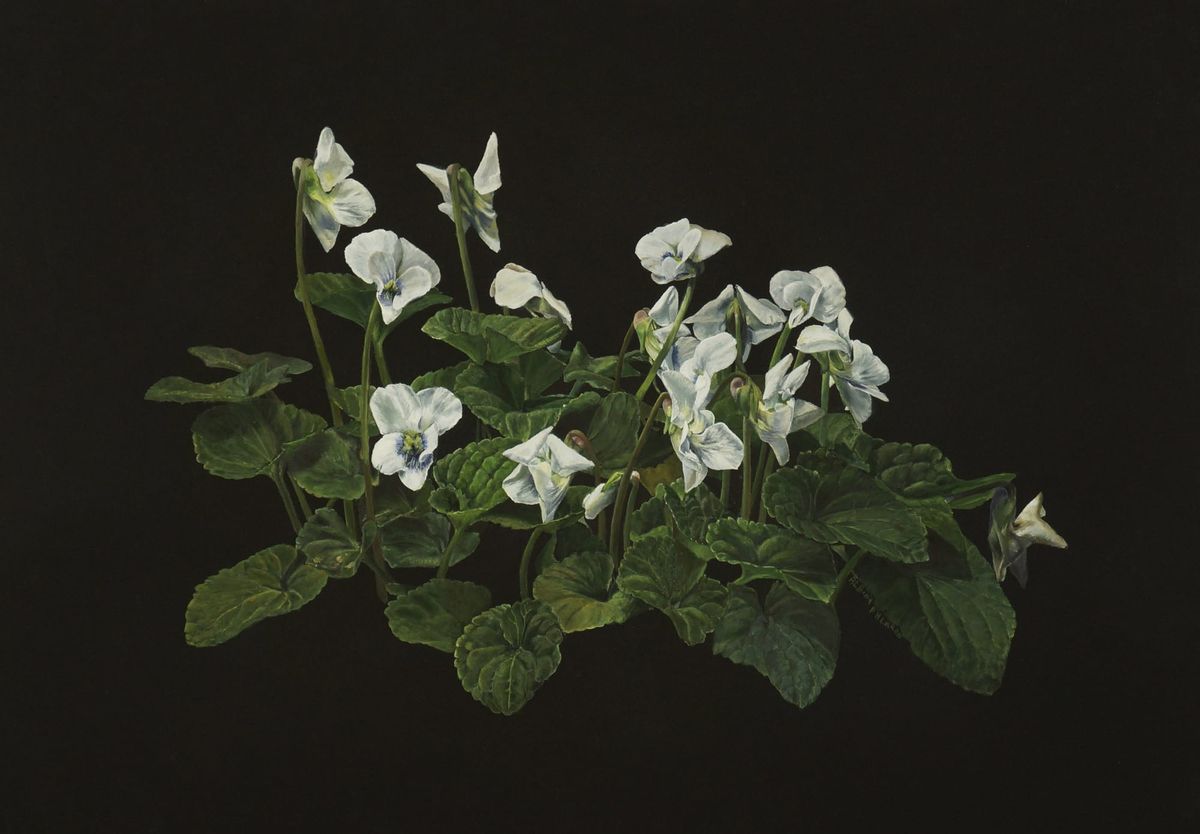
Among the standout pieces featured in the exhibition is Albina P. Herron’s "White Violets" (2025), which captures the delicate subtleties of its subject with striking clarity, embodying the quiet resilience and fragility of woodland flora. Elsewhere in the gallery, works like Kelsey Wilson’s "Red Gems" (2025), executed in watercolor on paper, demonstrate the extraordinary capacity of botanical illustration to render organic textures with breathtaking depth and fidelity. Daleen Roodt’s winning painting, "Cinderella’s Wonderland," stands as another focal point of the exhibition, drawing viewers into a rich, immersive world of botanical wonder that underscores the rigorous dedication required in contemporary botanical art.

The juxtaposition of vibrant, living sunlight with the quiet, contemplative nature of the gallery creates a powerful atmosphere. As visitors move from piece to piece, the detailed studies of individual plants take on a heightened urgency. The meticulous rendering of each botanical specimen transforms from a purely aesthetic exercise into a form of visual preservation. In an era where habitats are rapidly shifting, ecosystems are degrading, and countless plant species face unprecedented threats from global climate change, these detailed depictions function as both a tribute to the resilience of nature and a stark reminder of the fragile stakes involved in modern environmental stewardship.
The collaboration between the Society of Illustrators and the American Society of Botanical Artists highlights a genre of art that bridges the gap between scientific documentation and profound emotional expression. Botanical illustration has historically served the sciences by recording plant life with unyielding accuracy, but in the context of this 29th annual exhibition, that accuracy is charged with a distinct sense of grief and advocacy. The artists do not merely paint flowers or roots; they document complex ecosystems in miniature, capturing the microscopic details of plant anatomy that often go entirely unnoticed by the casual observer.
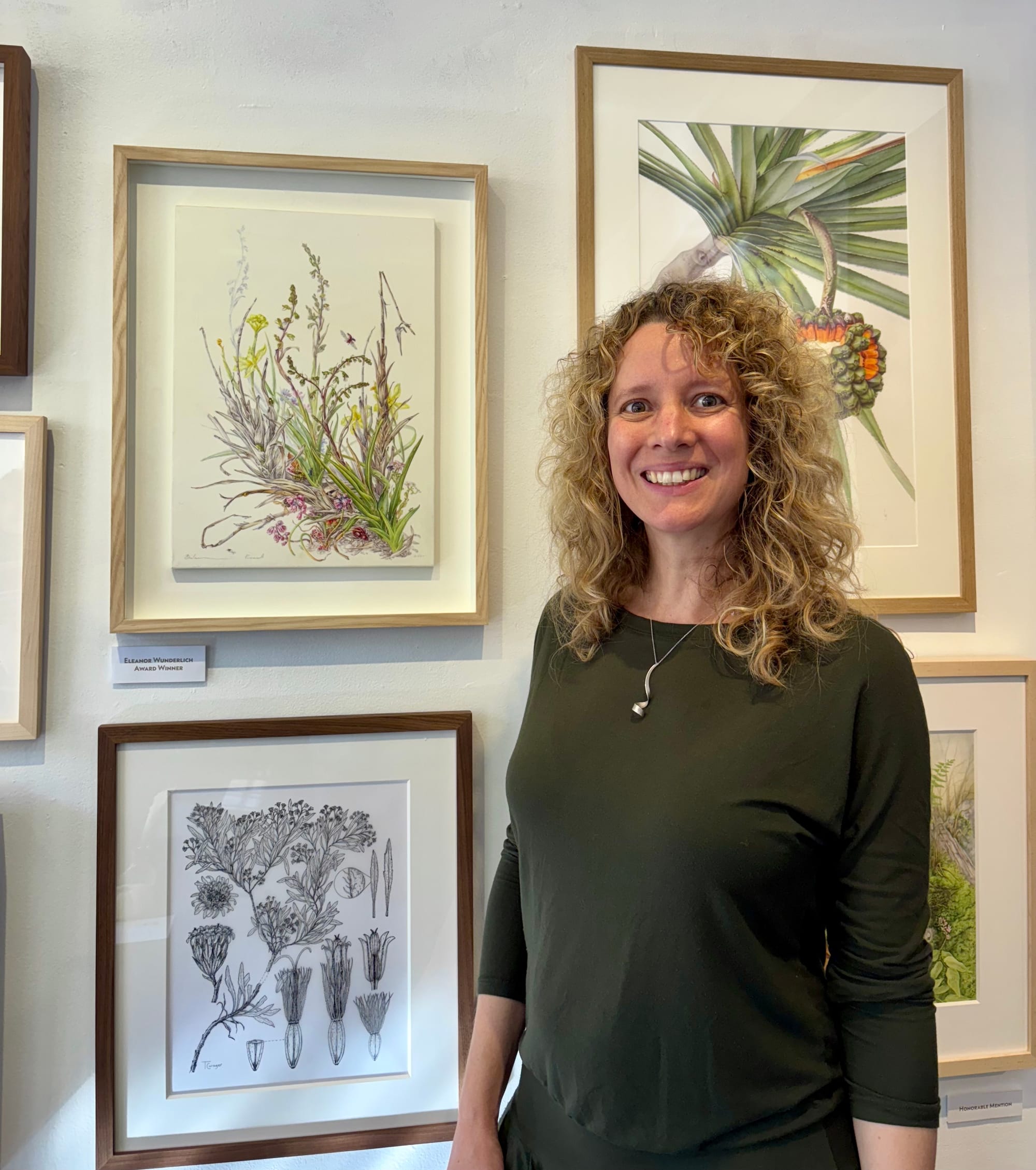
By bringing together these 50 winning works in a sunlit New York gallery, the exhibition invites the public to pause and closely examine the intricate architecture of the natural world. In doing so, it poses a quiet yet insistent question about the future of these organisms on a changing planet. As the natural light shifts across the watercolors on vellum and paper throughout the day, the exhibition remains a powerful testament to the beauty of the botanical world and a poignant reminder of what humanity stands to lose if these delicate ecosystems are left unprotected.