Tribal organizations and historic preservation advocates are intensifying pressure on federal lawmakers to immediately halt the Bipartisan American Affordability and Jobs Act (BAAJA), a controversial legislative package designed to accelerate the permitting and review processes for major infrastructure projects nationwide. Indigenous leaders warn that the bill, in its current form, could severely undermine tribal sovereignty, erode vital federal oversight, and pave the way for the destruction of sacred, ecologically fragile, and culturally irreplaceable lands across the United States.
The friction surrounding the legislation reached a critical juncture on November 8, when the United States Senate advanced the controversial bill for further debate. This procedural milestone occurred amidst a chorus of mounting criticism from tribal nations, Indigenous advocacy organizations, and cultural preservation groups. At the heart of the backlash is BAAJA’s proposed restructuring of federal environmental and historical review laws, most notably its targeted narrowing of Section 106 of the National Historic Preservation Act of 1966.
For decades, Section 106 has served as a vital statutory safeguard, mandating that federal agencies systematically identify, evaluate, and weigh the potential impacts of federally funded, licensed, or permitted projects on historic properties and traditional cultural districts. Crucially, the framework has long required meaningful consultation with tribal nations whose ancestral homelands and spiritual sites stand to be affected by large-scale development. However, critics of the newly advanced legislation point out that BAAJA effectively sidelines tribal nations from significant portions of this review process, drastically reducing opportunities for Indigenous communities to voice concerns or protect lands of deep historical and religious significance.
The legislative text of BAAJA does not limit its changes to the National Historic Preservation Act; it also curtails several other cornerstone environmental laws that have historically provided checks and balances against unchecked industrial and commercial development. Environmental and legal organizations, including Earthjustice, have highlighted that the bill scales back the scope and enforcement mechanisms of the National Environmental Policy Act (NEPA) and the Clean Water Act. By imposing rigid, compressed review timelines, loosening federal oversight, and dismantling protections historically afforded to sacred and ecologically sensitive landscapes, the bill prioritizes rapid industrial throughput over environmental stewardship and historical preservation.
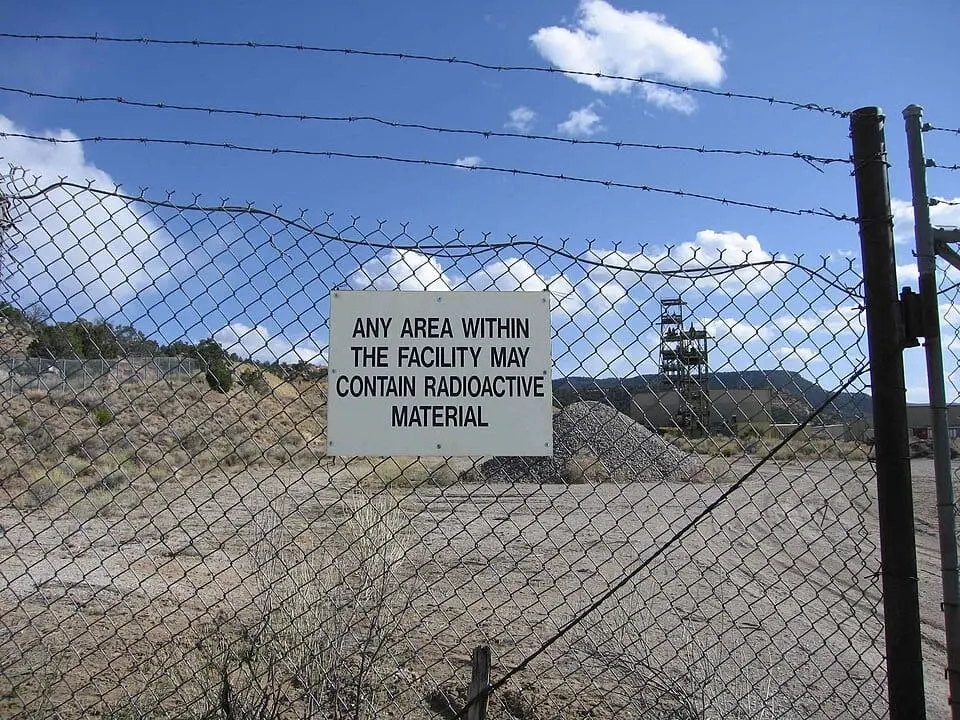
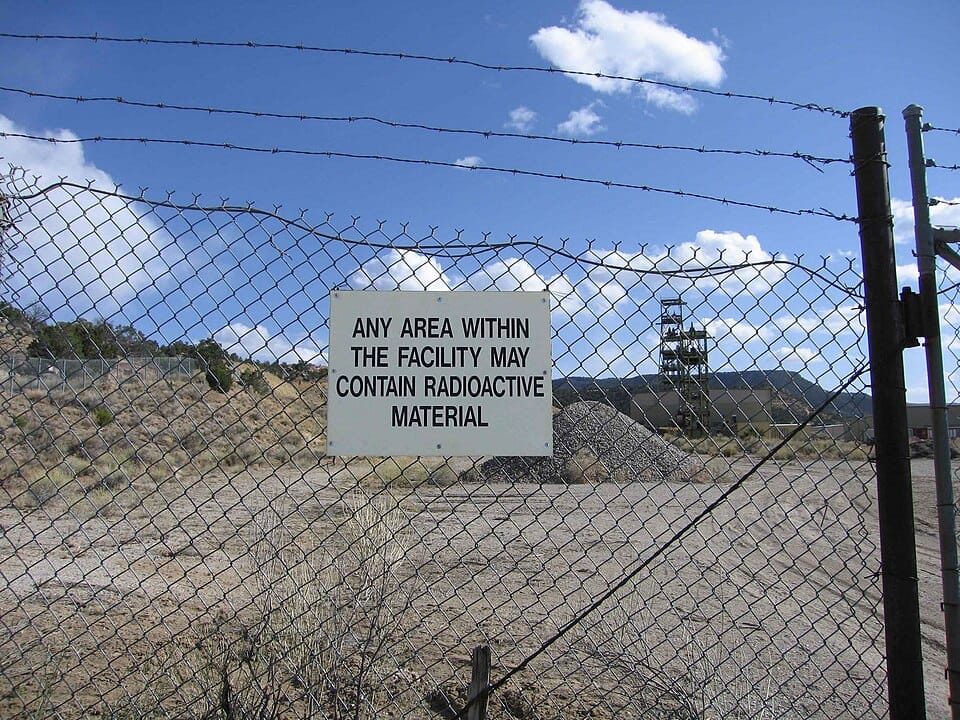
The implications of these proposed rollbacks extend far beyond abstract regulatory changes, carrying profound real-world consequences for communities historically subjected to the negative externalities of resource extraction and heavy industry. In regions like New Mexico, where historic scars from uranium mining remain visible across ancestral landscapes near sites such as Mount Taylor, tribal groups view any dilution of federal oversight with profound alarm. Industrial projects, energy developments, and large-scale infrastructure corridors frequently overlap with lands that hold immense spiritual weight, serving as traditional gathering places, burial grounds, and ecosystems deeply intertwined with Indigenous identity and livelihood.

National Indigenous leadership organizations, such as the National Congress of American Indians (NCAI), have issued formal warnings regarding the sweeping nature of the legislation. In analyses shared with lawmakers and the public, these organizations have emphasized that expediting major projects at the direct expense of tribal consultation rights and environmental protections violates the federal trust responsibility owed to Native nations. By truncating the timeframes allocated for environmental reviews and historic preservation assessments, BAAJA risks locking tribal communities out of critical decision-making processes that directly affect their sovereign territories and cultural heritage.
As the Bipartisan American Affordability and Jobs Act moves forward for continued debate in the Senate, tribal organizations, cultural preservationists, and environmental advocates are calling on members of Congress to reconsider the severe collateral damage embedded in the legislative package. With the fundamental protections of foundational environmental and historic preservation statutes hanging in the balance, Indigenous leaders maintain that true infrastructure reform cannot come at the cost of erasing tribal sovereignty and sacrificing sacred cultural landscapes.