As households across the region brace for the plummeting temperatures of the winter months, property owners are increasingly turning their attention to a fundamental yet often overlooked aspect of home efficiency: proper loft insulation. Industry experts and consumer watchdogs have renewed focus on attic and roof space insulation as one of the most effective structural defenses against domestic heat loss, draughts, and escalating energy expenditures. With a multitude of materials and installation methodologies now accessible to homeowners, navigating the choices requires a clear understanding of what insulation entails, how different products perform, and the proper techniques for installation and upkeep.
At its core, loft insulation serves as a thermal barrier installed within the attic or roof space of a residential building. Without adequate thermal protection, a significant portion of a home’s generated heat escapes upward through the roof structure and out into the atmosphere, driven by the natural tendency of warm air to rise. This continuous loss forces heating systems to work harder and longer, resulting in soaring utility costs and an unnecessary burden on the environment. Older properties and buildings with deteriorating or inadequate insulation are particularly vulnerable to this phenomenon. By upgrading loft insulation to modern standards, property owners can substantially curtail heat loss, stabilize indoor temperatures, and achieve meaningful reductions in their annual energy bills.
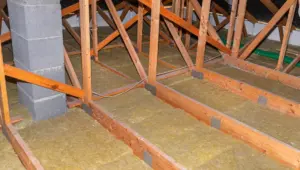
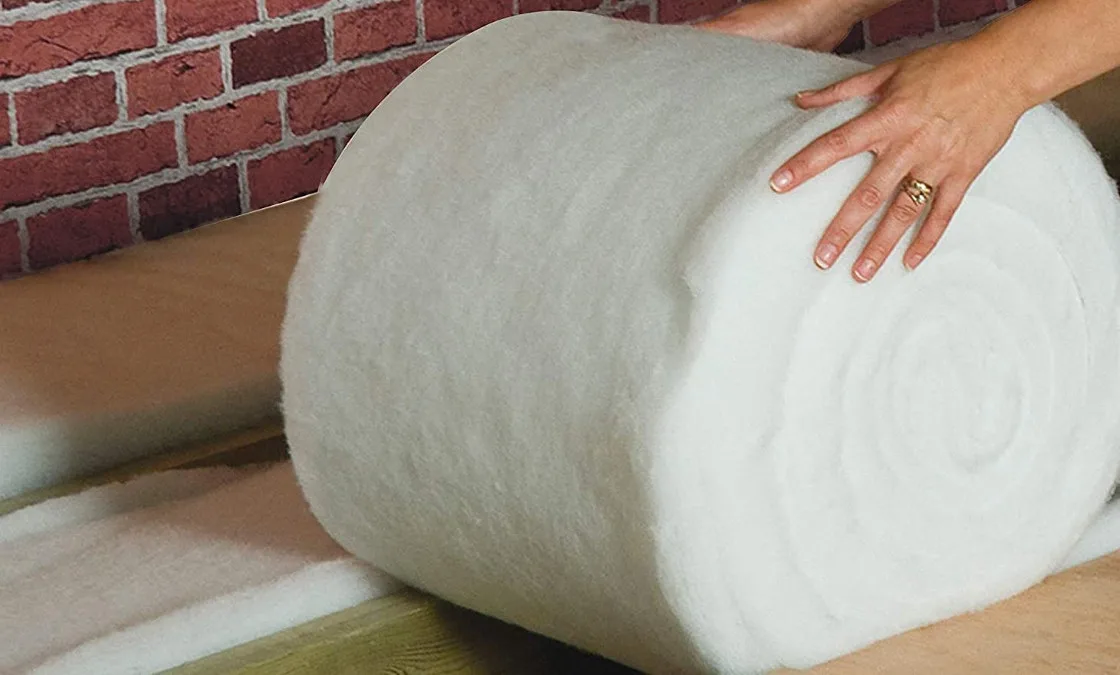
The market offers several distinct categories of loft insulation, each engineered to address specific structural layouts, budget considerations, and performance goals. Among the most prevalent choices is blanket loft insulation, widely utilized due to its affordability and straightforward application. Supplied in flexible rolls designed to fit standard joist spacing, blanket insulation is manufactured from a variety of substances, including traditional mineral wool as well as diverse recycled and natural fibers. For homeowners seeking an alternative that combines high thermal performance in a thinner profile with enhanced handling comfort—avoiding the characteristic itching and irritation associated with conventional mineral wool—recycled or natural blanket alternatives have emerged as a viable, albeit more costly, option.

For attic spaces characterized by irregular geometries, awkward architectural angles, or restricted access points, loose-fill loft insulation presents a practical alternative. Transported in manageable bags rather than bulky rolls, loose-fill materials—which include treated cellulose and other recycled paper products—can be easily poured and maneuvered into hard-to-reach cavities. Meanwhile, slab or rigid-board insulation offers a denser alternative to rolls, delivered in rigid panels that fit snugly between joists. Certain high-density variations of slab insulation also provide secondary benefits in acoustic dampening, helping to mitigate external noise transmission through the roof.
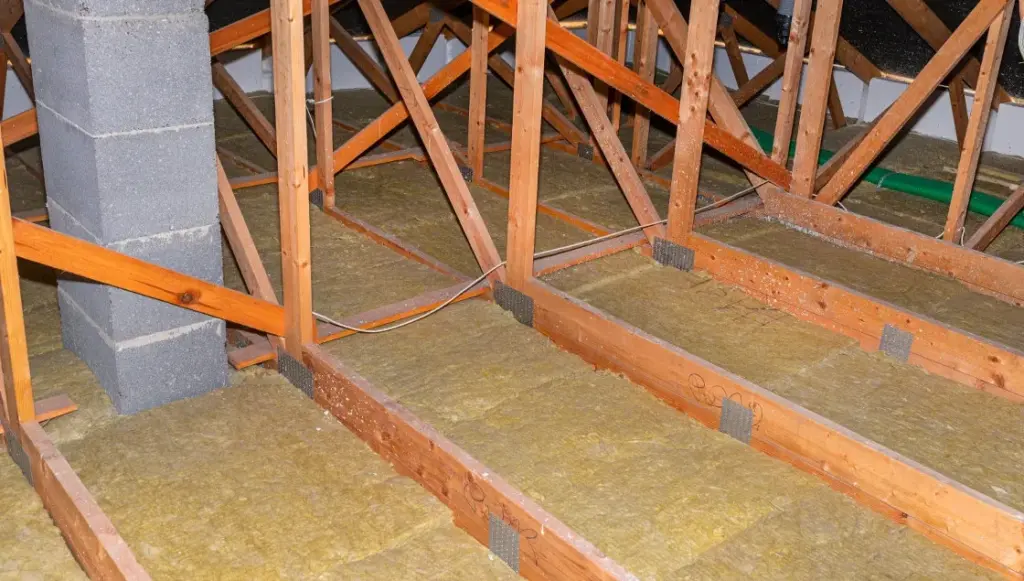
Before embarking on any insulation project, proper assessment and measurement of the loft space are critical to determining material requirements and ensuring compliance with established thermal standards. Homeowners must calculate the total square footage of the attic floor by measuring its length and width, while also gauging the depth of any existing insulation material. Current industry recommendations advise a target insulation depth of between 250mm and 270mm. Where existing layers fall short of this benchmark, supplemental material must be integrated to achieve the desired thermal resistance.
Installing blanket loft insulation requires careful preparation and adherence to safety protocols to ensure optimal thermal performance and domestic safety. The process typically begins by thoroughly clearing debris from the joist spaces. Depending on the condition of the ceiling below, the installation of a vapour barrier may be necessary to manage moisture and prevent condensation. Vapour-control sheets are generally rolled out between the joists and secured to the inner faces of the timber framing, with allowances made for existing pipework and electrical installations. When handling blanket materials, personal protective equipment—including eye protection, respiratory masks, and gloves—is strongly recommended to minimize physical irritation from airborne fibers. Keeping rolls sealed within their plastic packaging until they reach the attic helps contain stray fibers within the workspace. The blanket material is then unrolled gently between the joists, taking care to avoid over-compression, which diminishes its insulating capacity. Particular attention must be paid to electrical fittings and wiring; recessed light fixtures require careful cutting around the insulation to prevent dangerous overheating, while electrical cables running along joists should be elevated to rest safely on top of the insulation blanket. Where additional depth is required to meet thermal regulations or to accommodate a subsequent boarding system for storage, timber battens can be added to the tops of existing joists to prevent the insulation from being crushed.
The installation of loose-fill insulation follows a similar preliminary cleaning and vapour-barrier protocol, though it involves distinct handling techniques. To prevent the loose material from migrating into the roof eaves and obstructing vital ventilation paths, installers typically construct a localized barrier around the perimeter using short sections of blanket insulation, maintaining a small gap for airflow if the roof relies on non-breathable felt. The loose material is then poured progressively between the joists, working systematically across the roof space and leveling the fill using a dedicated wooden board cut to fit the joist spacing. Unlike blanket products, loose-fill cannot be simply cut around electrical fixtures; instead, installers must construct protective wooden or cardboard enclosures around fittings to keep the loose material safely contained. Deep-filling loose insulation can eventually obscure the ceiling joists entirely, transforming the attic into a non-walkable zone unless supplementary raised decking is installed to restore a usable storage platform.
Despite the clear advantages of upgrading an attic’s thermal envelope, homeowners must remain vigilant regarding potential complications, chief among them being condensation and draughts. Inadequate ventilation within an insulated loft space can trap moisture, leading to condensation buildup, dampness, and mold growth. Ensuring continuous airflow through the installation of appropriate roof vents or by maintaining a deliberate air gap between the insulation and the roof deck is essential for moisture management. Similarly, any residual gaps in the thermal barrier can permit cold air currents to circulate, which can be mitigated through careful application of foam sealants and protective sheeting.
Ongoing maintenance and periodic inspection are vital to preserving the long-term efficacy of loft insulation. Property owners should routinely examine their attic spaces for signs of physical displacement, damage, moisture penetration, or pest interference, addressing any minor issues promptly to maintain thermal integrity.
The financial and environmental justifications for comprehensive loft insulation are substantial. According to data from the Energy Saving Trust, upgrading an uninsulated attic to the recommended depth of 270mm can yield annual energy bill savings of up to £590. While the upfront investment varies based on material selection and whether the work is executed as a DIY project or entrusted to professional contractors, the cumulative long-term savings underscore loft insulation as one of the most cost-effective home improvement measures available to modern homeowners.