Western Red Cedar has long held a revered status among builders, architects, and homeowners for its remarkable natural beauty, exceptional longevity, and inherent resistance to decay. As the demands of modern woodworking and material efficiency continue to evolve, professionals in the building industry are constantly seeking innovative ways to maximize the potential of this premium timber species without compromising its structural performance or its timeless aesthetic appeal.
One of the most significant developments meeting this demand is the adoption of finger-jointed Western Red Cedar. This advanced manufacturing technique allows shorter lengths of high-grade cedar to be precision-joined into longer, exceptionally strong, and dimensionally stable boards. The resulting material maintains the warm character, rich tones, and natural durability of real cedar while offering improved consistency, enhanced structural reliability, and a significant reduction in material waste. As the construction sector increasingly prioritizes both high-end aesthetics and resource conservation, finger-jointed cedar has quietly emerged as a preferred choice for a wide variety of outdoor structures, exterior siding, and custom architectural builds.
Understanding the Finger-Jointing Process
At its core, finger-jointing is an advanced woodworking process designed to optimize timber yield and enhance the mechanical properties of lumber. Short lengths of high-quality cedar are precision-cut at the ends with interlocking, comb-like "fingers." A high-strength, weather-resistant structural adhesive is then applied, and the pieces are bonded together under controlled pressure to create long, uniform boards.
This meticulous technique effectively eliminates natural defects and inconsistencies found in shorter lumber pieces while retaining the fundamental cellular benefits of the wood. The result is a finished product that looks entirely seamless once installed and finished, maintaining the smooth, high-end appearance required for visible architectural applications. Furthermore, because the internal stresses of the wood are redistributed across the interlocking joints, the finished boards perform exceptionally well in both interior and exterior settings, enduring the rigors of changing weather conditions with minimal movement.
Why Finger-Jointed Cedar Matters for Sustainable Building
The appeal of Western Red Cedar extends far beyond its visual charm. The timber naturally contains organic compounds called thujaplicins, which provide robust, natural resistance to rot, fungal decay, and insect infestation. Crucially, these vital protective attributes are preserved entirely intact even when the wood undergoes the finger-jointing process.
From a broader industry perspective, the utilization of finger-jointed timber represents a major step forward in environmental stewardship and material efficiency. Traditionally, the production of dimensional lumber generates a considerable volume of shorter offcuts that, despite being structurally sound and visually appealing, are often underutilized or discarded. By optimizing these shorter sections through precision finger-jointing, manufacturers are able to deliver longer, stronger, and more uniform building materials while drastically minimizing raw resource waste. This inherent efficiency makes finger-jointed cedar a deeply mindful choice that aligns seamlessly with contemporary sustainable building practices and green architectural standards.
Examining the Core Benefits of Finger-Jointed Western Red Cedar
The growing preference for finger-jointed cedar among contractors, builders, and designers is driven by a series of distinct practical advantages that address common challenges in construction and exterior remodeling.
Superior Strength and Dimensional Stability
One of the most significant challenges associated with traditional solid-sawn lumber is its natural tendency to warp, bow, twist, or check as it responds to fluctuating moisture levels and temperature changes in the environment. Finger-jointing substantially mitigates these vulnerabilities. By interlocking smaller, stable pieces of timber, the manufacturing process disrupts the continuous grain patterns that typically cause wood to distort. The interlocking fingers distribute mechanical stress evenly throughout the board, creating a product with exceptional structural reliability and straightness. This enhanced stability makes finger-jointed cedar an ideal option for long vertical runs, trim work, and outdoor projects where long-term dimensional integrity is critical.
Enhanced Cost Efficiency and Resource Optimization
Economic factors play a vital role in material selection for both commercial builds and residential renovations. Because the finger-jointing technique makes productive use of shorter cedar sections that might otherwise be discarded, the overall manufacturing waste is minimized. This efficiency translates into tangible cost benefits for builders and homeowners. Finger-jointed cedar often provides a more cost-effective alternative to long-length clear cedar, particularly for projects that require extensive painting, priming, or large-scale installations, allowing clients to achieve the luxury look of cedar while maintaining strict budgetary controls.
Reliable Dimensional Consistency
Precision is paramount in modern construction, and the manufacturing process behind finger-jointed cedar ensures that every single board is crafted to exact, uniform dimensions. Unlike natural lumber, which can vary slightly in width and thickness due to natural growth variations and milling tolerances, finger-jointed stock offers absolute predictability. This consistency drastically simplifies the installation process for contractors and DIY builders alike. It ensures tighter miters, cleaner lines, and smoother alignment during assembly, reducing labor time and minimizing adjustments on the job site.
Enduring Resistance to Decay and the Elements
A primary reason builders specify Western Red Cedar for exterior applications is its legendary durability against moisture and environmental degradation. Importantly, the adhesives utilized in modern finger-jointing are engineered to be waterproof and highly resilient, ensuring that the structural integrity of the joint matches the durability of the wood itself. As a result, the natural resistance to moisture, insects, and rot that characterizes solid cedar remains fully intact in finger-jointed products. This makes the material highly suitable for demanding exterior environments, including exposed siding, fascia boards, architectural trim, and various outdoor structures.
Timeless Aesthetic Appeal
While the structural and economic advantages are compelling, appearance remains a defining factor in the selection of wood building products. Finger-jointed Western Red Cedar retains the signature reddish-brown coloration and fine grain texture that have made the species a staple of fine architecture for generations. Whether left to weather naturally or finished with stains and paints, the wood delivers a warm, sophisticated visual presence. Over time, when exposed to the elements, cedar gracefully transitions into a classic silver-gray patina, offering enduring visual appeal that complements both traditional rustic designs and sleek, contemporary architectural styles.
Versatility Across Diverse Architectural Styles
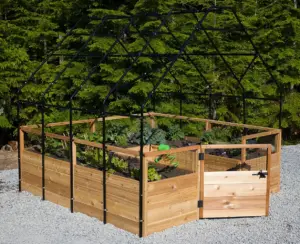
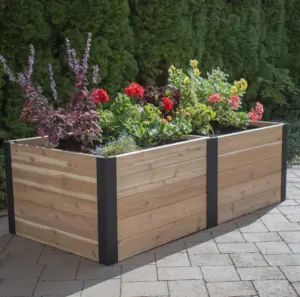
The adaptability of finger-jointed cedar makes it a versatile solution for a broad spectrum of project types. From residential siding and exterior trim to custom architectural millwork and outdoor shade structures, the material integrates seamlessly into diverse design vocabularies. Its smooth surface finish takes primers and paints exceptionally well, making it a favorite for projects that require clean, solid color finishes without the grain bleeding or knot telegraphing sometimes associated with conventional lumber. This high degree of versatility allows architects and designers to incorporate the reliability of engineered wood without sacrificing the authentic warmth and character of genuine cedar.
As the construction industry continues to balance the demand for high-performance exterior materials with the necessity of sustainable resource management, innovations like finger-jointed Western Red Cedar offer a proven path forward. By combining the natural durability and timeless beauty of traditional cedar with modern engineering precision, builders are equipped with a reliable, efficient, and aesthetically sophisticated material designed for the demands of contemporary architecture.