As summer temperatures begin to cool and the hectic pace of peak growing season slows down, many home gardeners instinctively assume their work outdoors is finished for the year. The conventional wisdom has long dictated that autumn marks the winding down of agricultural efforts, signaling a time to clear out beds, pack away tools, and wait for winter. However, seasoned horticulturists and agricultural experts point out that fall can actually be one of the most productive and rewarding times of the entire year to maintain active garden beds.
The changing of the seasons brings a distinct set of environmental advantages that often elude summer gardeners. Cooler daytime temperatures, softer sunlight, and a noticeable drop in the population of common agricultural pests all work in favor of the grower. With a modest amount of advanced planning and the deployment of the right protective tools, gardeners are discovering that they can keep their growing beds productive well into the colder months, bridging the gap between summer yields and winter dormancy.
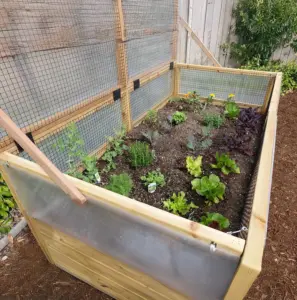
At the center of this extended growing strategy is the strategic use of protective infrastructure, most notably the greenhouse cover. Whether utilizing a simple row cover, constructing a hoop-style mini greenhouse, or installing a full enclosure tailored for raised garden beds, these structures serve a critical function. They create a gentler, stabilized microclimate that shields delicate flora from the harsh realities of dropping temperatures, allowing plants to continue thriving long after traditional growing seasons have come to an end.
To understand the modern approach to autumn cultivation, it helps to look at how the perception of the season is shifting. Rather than viewing autumn merely as the end of the annual gardening cycle, agricultural advocates increasingly describe it as a vital reset. As ambient temperatures drop, many cool-season plants naturally shift their biological focus, moving energy away from lush leaf production and directing it downward into the root systems. This redirection helps plants build exceptionally strong structural foundations that not only sustain them through winter chills but also give them a powerful head start when spring eventually returns.
When gardeners plant and prepare during the autumn months, they are effectively investing in the long-term health of their entire landscape. With just a bit of structural support and thoughtful bed management, autumn beds can yield fresh harvests in the present while simultaneously laying the groundwork for a robust and vibrant spring revival.
The foundation of any successful autumn garden, however, begins with the careful selection of crops. Because the seasonal shift brings chillier days and the occasional brush with cold weather, gardeners must pivot away from summer-loving varieties like tomatoes and peppers. Instead, success lies in choosing cool-season cultivars that not only tolerate chilly weather but often actually improve in flavor after being kissed by a light frost.
Traditional autumn favorites include hardy leafy greens, root vegetables, and brassicas that naturally withstand lower thermal thresholds. To maximize the output of these crops, particularly in confined spaces like raised garden beds, growers typically check local frost dates and stagger their planting in small, manageable waves. This staggered approach ensures a continuous, reliable harvest rather than a single overwhelming yield. Furthermore, pairing upright greens with compact root crops allows gardeners to optimize every square inch of available soil, creating a dense, highly efficient ecosystem within their raised beds.
Despite selecting the hardiest cool-season varieties, nature eventually introduces elements that threaten to cut the harvest short. This is where greenhouse covers emerge as an indispensable asset for the autumn gardener. By introducing a protective physical barrier over the growing beds, these covers establish a controlled microclimate that effectively buffers plants against the unpredictable volatility of autumn weather.
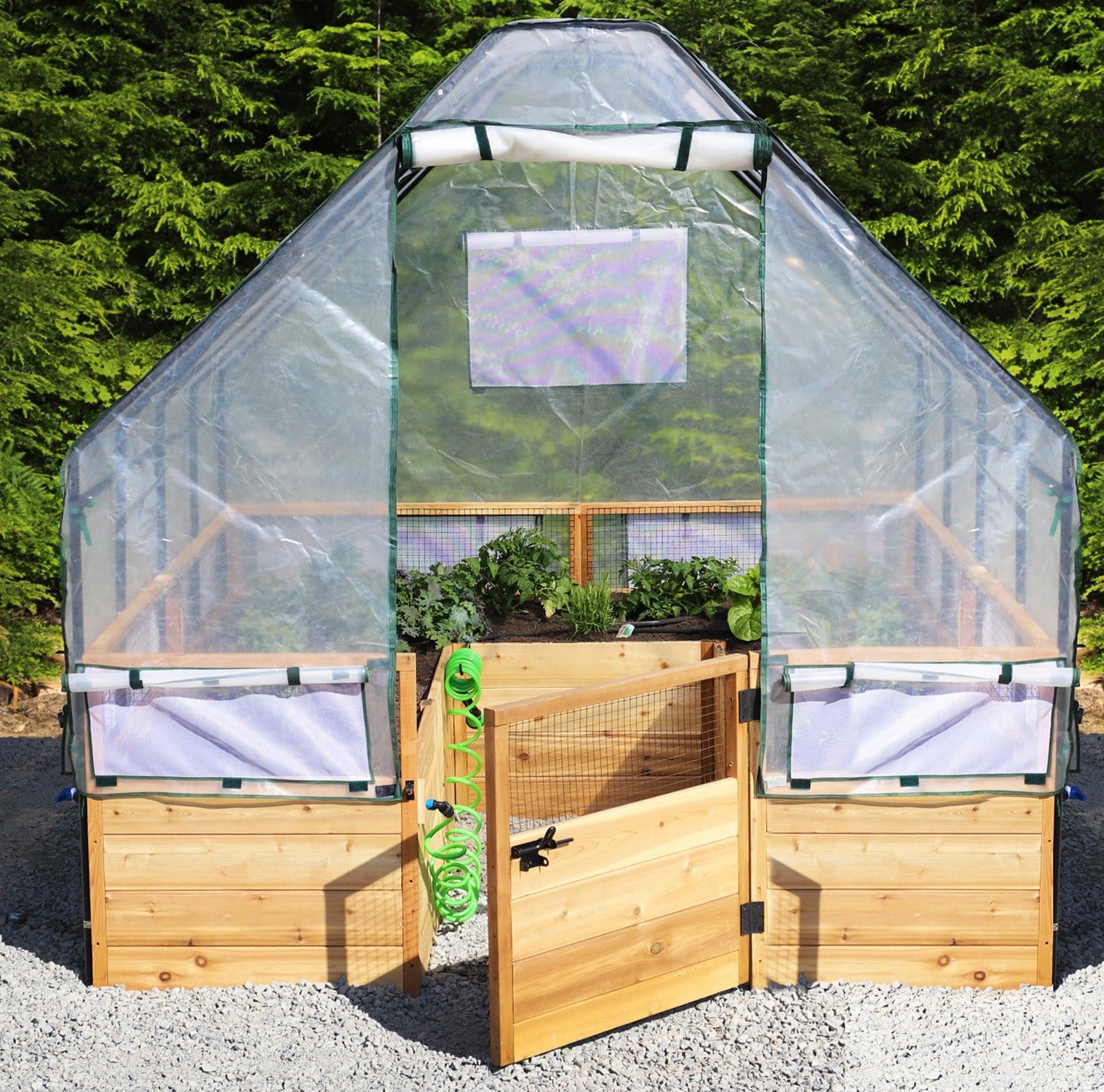
The benefits of utilizing these covers are multifaceted. First and foremost, they provide essential frost protection, shielding tender plants from unexpected early-season frosts and sudden, dramatic cold snaps that can otherwise decimate a crop overnight. In addition to preventing freeze damage, greenhouse covers offer remarkable temperature stability. By trapping ambient warmth, they significantly reduce the extreme swings between warm autumn afternoons and freezing nighttime temperatures, thereby supporting steady, uninterrupted plant growth.
Beyond thermal regulation, greenhouse covers serve a very practical purpose in plant defense. They act as a physical barrier against late-season pests, keeping out insects that search for dwindling food sources in the autumn landscape, all without the need for chemical sprays or heavy interventions. Furthermore, these covers contribute significantly to better moisture retention. By minimizing surface evaporation caused by crisp autumn winds, they keep the underlying soil evenly moist for much longer periods, reducing the frequency of required watering and preventing the soil from crusting over.
Ultimately, the cumulative effect of these benefits is a dramatic extension of the growing season. With the right protection in place, many autumn crops can survive and remain productive for weeks—and in some regions, even months—far beyond the usual calendar timeline for outdoor gardening.
Implementing this protective strategy requires a deliberate approach to setup and maintenance. Growers generally begin by selecting a quality cover that matches the specific dimensions and structural layout of their garden. These covers must be engineered to allow adequate light penetration while retaining sufficient thermal mass, and they need to be tailored to fit the exact size and shape of the garden beds, whether those beds are traditional ground-level plots or elevated structures.
Once selected, the covers must be installed securely. Frames and anchoring edges need to be firmly fixed into place to withstand the brisk winds and heavy rains that frequently accompany autumn storms. At the same time, installers must ensure there is adequate vertical clearance, leaving enough height inside the enclosure for plants to mature comfortably without pressing against the plastic or fabric barrier.
Because a greenhouse cover traps heat and moisture, active management is required on a day-to-day basis. Gardeners must regularly monitor internal conditions, opening vents or partially lifting sections of the cover during unusually warm autumn days to prevent the interior from overheating. Once ambient temperatures begin to drop in the late afternoon, these vents must be re-secured to lock in the necessary warmth for the chilly night ahead.
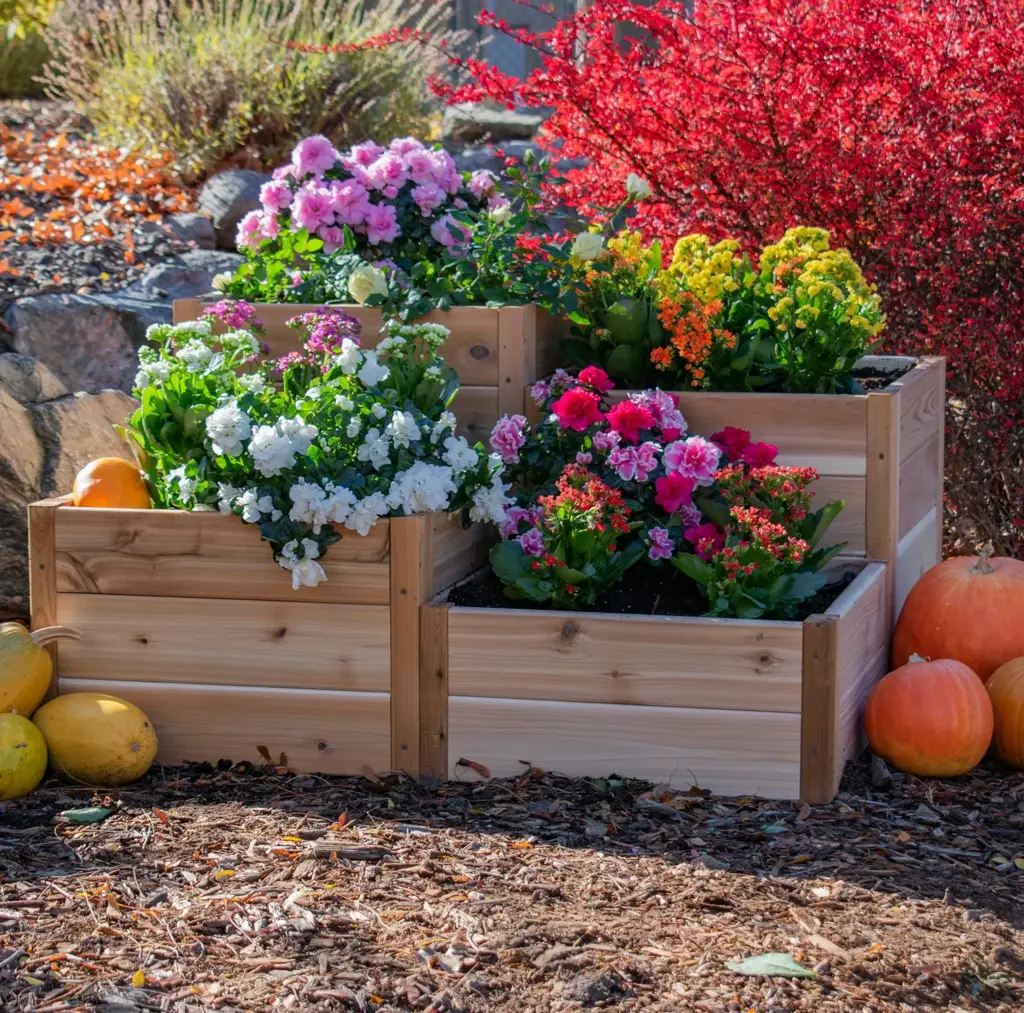
Beyond the purely agricultural benefits of extended production and plant health, autumn gardening offers a unique opportunity to enhance the aesthetic appeal of the home landscape. A well-managed autumn garden can be both exceptionally productive and visually striking. Many property owners choose to integrate seasonal elements into their landscape design, surrounding their covered growing beds with decorative pumpkins, rustic autumn displays, and vibrant patches of cold-hardy greens. This thoughtful combination creates a cozy, autumn-inspired focal point that stands out as a welcoming feature in any residential yard as the surrounding landscape prepares for winter.
As the cooler months approach and the daylight hours continue to shorten, the emphasis for dedicated growers shifts toward maximizing the tools and techniques available to keep their plots alive and thriving. By embracing the unique biological advantages of the season, selecting resilient cool-season crops, and utilizing protective greenhouse covers to buffer against the elements, gardeners can successfully push the boundaries of the traditional growing calendar. Giving plants the protection they need this fall not only ensures a continued supply of fresh home-grown produce but also lays a resilient foundation for the seasons yet to come.