When architects, builders, and woodworkers search for materials that balance natural beauty, structural integrity, and resilience against the elements, two softwoods consistently rise to the top of the list: Sugi, also widely known as Japanese cedar, and Western Red Cedar. While these distinct timbers share several advantageous properties—most notably a natural resistance to rot, decay, and insect infestation—they stem from entirely different parts of the world and possess unique performance characteristics. From their origins and aesthetic profiles to their density, scent, and long-term stability, understanding how Sugi and Western Red Cedar differ is essential for professionals selecting the right material for outdoor structures, interior finishing, or specialty woodworking projects.
Both species have earned storied reputations in their respective regions and global markets. However, they diverge significantly in how they handle moisture, their weight-to-strength ratios, and their visual presentation. This comprehensive comparison examines the foundational traits of both Sugi and Western Red Cedar, offering a balanced look at how each wood performs and when one may be preferred over the other depending on the application.
What Is Sugi?
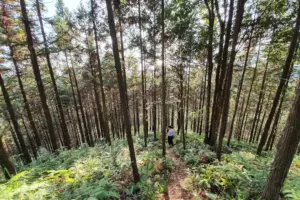
Sugi refers to the timber harvested from the Japanese cedar tree, scientifically classified as Cryptomeria japonica. As a tall evergreen conifer native to Japan, Sugi holds a profound place in the nation’s cultural and architectural heritage. For centuries, master builders and craftsmen have relied on Sugi for traditional Japanese architecture, utilizing the timber in the construction of sacred temples, historic shrines, residential homes, and intricate interior paneling.
The enduring appeal of Sugi lies in its unique combination of physical traits. The wood is exceptionally lightweight yet features a remarkably straight grain, making it exceptionally cooperative for skilled artisans and modern builders alike. Visually, Sugi typically displays a pale yellow to light brown coloration, occasionally accented by soft, warm reddish tones that give it a gentle and understated visual appeal.
Beyond its aesthetic versatility, Sugi possesses natural defenses against environmental stressors. The wood contains inherent properties that make it naturally resistant to decay, insects, and fungi, allowing it to endure for generations when properly maintained. Furthermore, Sugi boasts a fine texture and a smooth appearance, contributing to its refined finish. Its deep cultural significance in Japanese craftsmanship has translated into modern international demand, where it is frequently specified for general construction, interior paneling, high-end furniture, and specialty woodworking projects where a balance of durability and workability is paramount.
What Is Western Red Cedar?
In contrast to its Japanese counterpart, Western Red Cedar—scientifically known as Thuja plicata—grows natively along the rugged Pacific Northwest coast of North America, spanning regions from Northern California and Oregon up through Washington and into British Columbia. Renowned globally for its rich coloration, distinctive aromatic scent, and exceptional outdoor performance, Western Red Cedar has become a cornerstone of North American exterior architecture and landscaping.
The timber’s legendary performance in harsh outdoor environments is largely attributed to its high concentration of natural extractives. These organic compounds grant Western Red Cedar an outstanding level of natural resistance to rot, fungal decay, and wood-boring insects without the immediate need for chemical treatments. In addition to its durability, the wood features a low density and high dimensional stability, meaning it swells and contracts significantly less than many other wood species when exposed to fluctuating moisture levels.
Aesthetically, Western Red Cedar is celebrated for its warm reddish-brown tones and pronounced, striking grain patterns that offer a deeper, more dramatic visual aesthetic compared to lighter softwoods. These qualities translate to an exceptionally long lifespan outdoors, particularly in wet, coastal, or variable climates. Consequently, Western Red Cedar is the material of choice for an array of outdoor applications, including architectural siding, roofing shingles, fencing, pergolas, garden beds, greenhouses, outdoor furniture, and heavy-duty structural sheds.
Sugi vs. Western Red Cedar: A Side-by-Side Comparison
To fully appreciate how these two prominent softwoods compare in practical application, it helps to examine them across several key categories, including their botanical origins, appearance, durability, density, intended uses, and aromatic qualities.
Species and Origin
The foundational difference between the two materials begins with their botanical classification and geographic roots. Sugi is derived from Cryptomeria japonica, an evergreen conifer deeply rooted in the ecosystems and cultural history of Japan. Western Red Cedar comes from Thuja plicata, a massive tree native to the temperate rainforests of the Pacific Northwest. Despite their geographical separation, both are classified as softwoods and share a remarkably rich history of structural and cultural utility in their respective hemispheres.
Appearance
When evaluating appearance, the choice largely comes down to personal design preference and the intended visual tone of a project. Sugi offers a light yellow-to-brown palette, sometimes featuring subtle reddish undertones, paired with a fine, straight grain that creates a soft, uniform, and peaceful visual tone. Western Red Cedar, on the other hand, presents a much richer reddish-brown spectrum with more prominent grain patterns and natural color variations, lending a warmer, more dramatic aesthetic to both interior and exterior spaces. Neither wood is objectively superior in this category; rather, Sugi favors a subdued, minimalist look, while Cedar embraces a rich, vibrant natural palette.
Durability and Decay Resistance
Both Sugi and Western Red Cedar are endowed by nature with protective oils that fend off fungi, insects, and moisture degradation. However, their performance profiles diverge slightly when subjected to long-term exposure to the elements. Sugi is naturally durable and performs admirably outdoors when properly maintained, but it is somewhat softer overall. Western Red Cedar stands out as one of the most naturally decay-resistant woods available in commercial timber markets, making it exceptionally well-suited for wet, coastal, or highly variable climates. While both handle the outdoors well, Western Red Cedar holds a subtle advantage for prolonged, severe outdoor exposure.
Density and Weight
In terms of physical heft, both species are prized for being lightweight and easy to handle, though subtle differences exist. Sugi is exceptionally lightweight, comparable to pine, which makes it remarkably easy to cut, shape, and install, particularly for interior tasks. Western Red Cedar is also classified as a lightweight softwood, but it possesses a slightly higher density than Sugi. This minor variation has a real-world impact: Cedar’s slightly higher density contributes to superior dimensional stability outdoors, whereas Sugi’s lower density enhances its ease of handling and workability for indoor craftsmanship and intricate joinery.
Uses and Applications
The performance profiles of each wood naturally dictate their most common applications. Sugi finds its primary domain in structural framing, interior flooring, traditional Japanese building methods, fine furniture, and detailed woodworking projects where its fine grain and lightweight nature can be fully appreciated. Western Red Cedar dominates the outdoor landscape, commonly utilized for heavy architectural structures such as pergolas, sheds, fences, and greenhouses, as well as functional applications like decking, siding, garden beds, and outdoor furniture. While both woods cross over into architectural accents and paneling, Western Red Cedar holds a distinct advantage when deployed in harsh, demanding outdoor environments.
Scent and Aromatic Qualities
Both softwoods release pleasant, characteristic aromas derived from their natural internal oils, though the sensory experiences they provide are quite distinct. Sugi emits a mild, sweet, and soothing scent that has been valued in Japanese culture for centuries for its calming and grounding properties in interior spaces. Western Red Cedar is universally recognized for its rich, robust, and distinctive aroma, often described as fresh and warm. This characteristic scent is a direct byproduct of the very oils that protect the tree from pests, adding an extra layer of sensory appeal to cedar-built saunas, closets, and outdoor living areas.