For gardeners across the American Midwest, choosing the right flora to withstand shifting climate patterns, seasonal extremes, and local wildlife can be a daunting task. To help enthusiasts refine their landscape designs for the upcoming growing season, lifelong southeastern Wisconsin gardener and prominent horticultural voice Erin Schanen has shared her top four plant recommendations. Known widely through her digital platform, The Impatient Gardener, Schanen has spent decades cultivating plants in the region and observing which species truly thrive under upper Midwestern conditions.
The curated selections span small trees, reliable vines, striking perennials, and disease-resistant native cultivars. From structural woody plants that provide brilliant autumn color to vibrant flowering perennials beloved by local pollinators, these four selections aim to solve common regional gardening dilemmas while adding distinct visual interest to home landscapes.
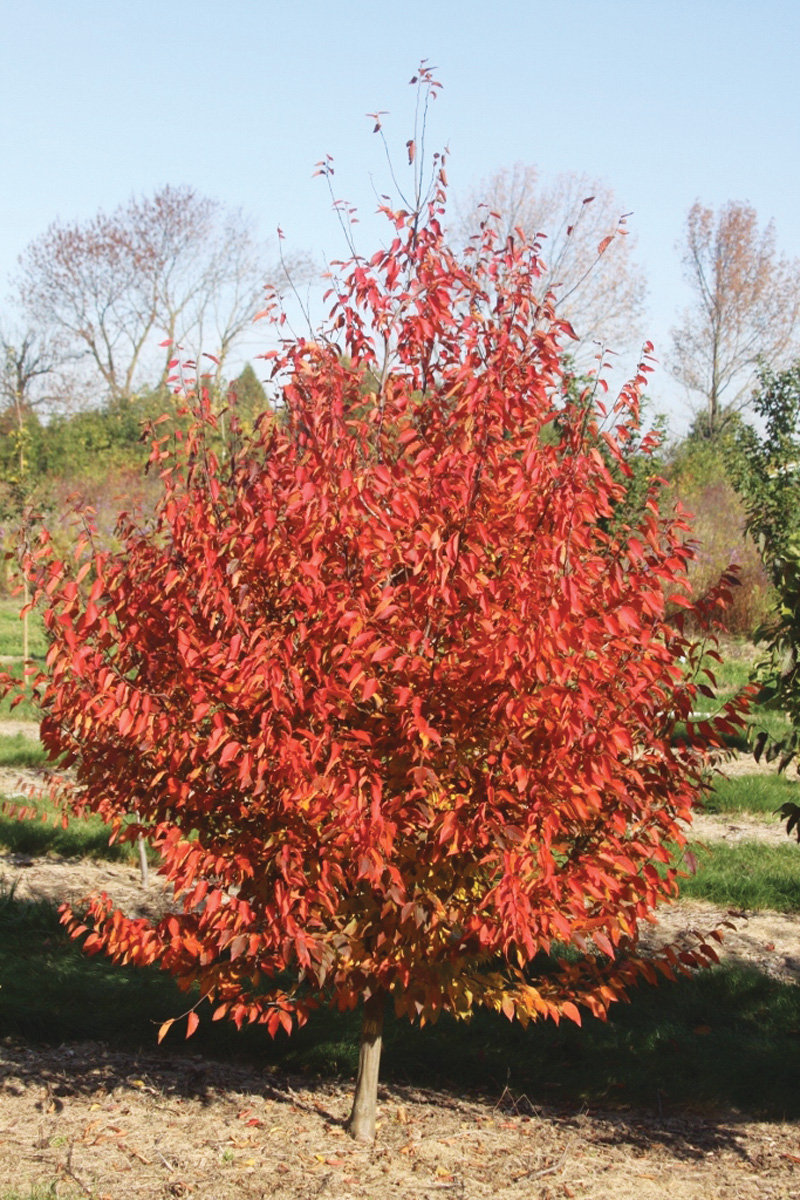
Fire Belle® American Hornbeam
Finding the right small tree for a residential landscape often involves balancing aesthetic appeal with hardiness. While many property owners gravitate instinctively toward ornamental trees known for their vibrant spring blossoms, Schanen points to the native American hornbeam as an adaptable, low-maintenance alternative that steals the spotlight during the autumn months.
Specifically, the Fire Belle® American hornbeam has emerged as a standout selection among modern cultivars, chosen deliberately for its brilliant orange autumn foliage. Beyond its striking seasonal color display, the tree is exceptionally well-suited for wildlife-friendly environments. It functions as a vital larval host plant for local butterflies, while its dense branching structure offers crucial seasonal cover and nesting habitats for regional bird populations. Furthermore, the cultivar boasts practical resilience, noting that it is generally unappealing to browsing deer and rarely suffers from significant insect damage.
When it comes to cultivation requirements, Fire Belle® is recognized for its easygoing nature. While it achieves peak performance when planted in moist, well-drained, acidic soil under full sunlight, the tree demonstrates a high tolerance for varying environmental conditions, making it a versatile option for diverse landscape layouts across the Midwest.
‘Minuet’ Clematis
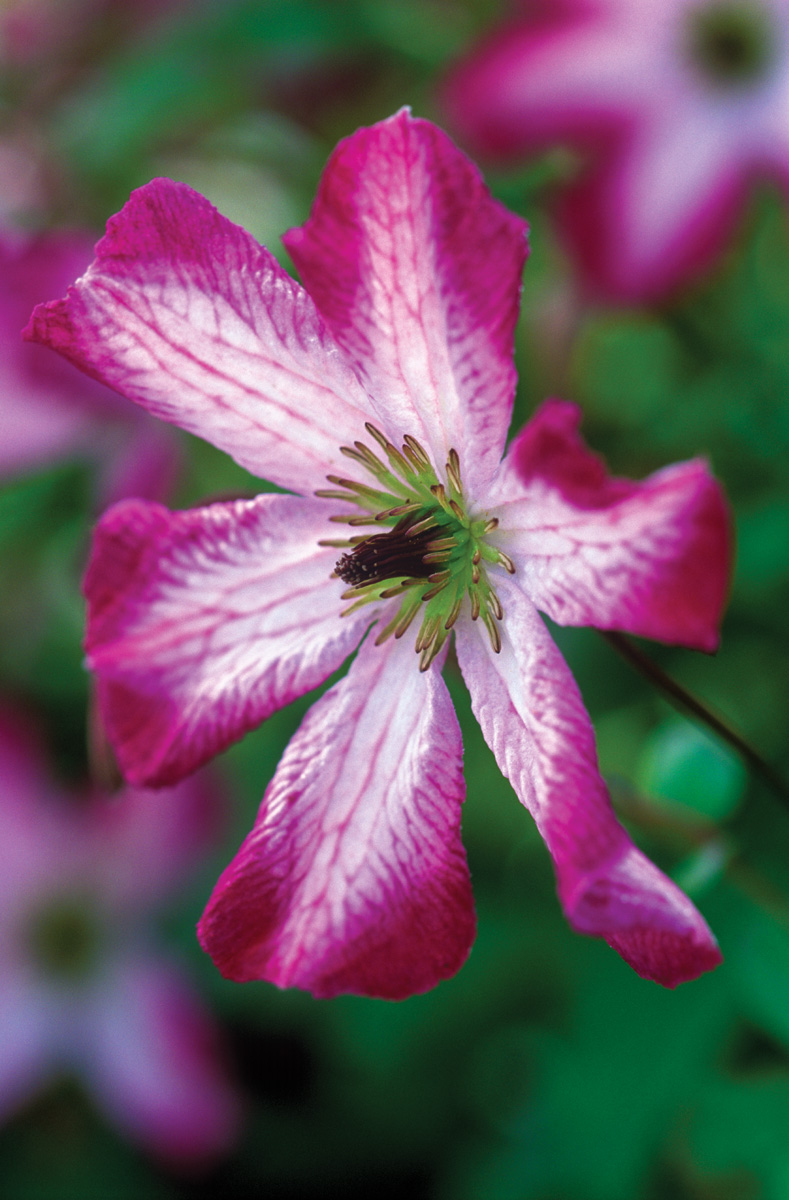
Clematis plants are frequently recommended as garden essentials, yet many home growers remain hesitant to cultivate them due to widespread frustrations surrounding clematis wilt or confusion over complex seasonal pruning schedules. According to Schanen, the most effective solution to these horticultural hurdles is to bypass large-flowered hybrids in favor of smaller-flowered varieties. These resilient selections exhibit far greater resistance to wilt and require a straightforward, hassle-free cutback down to just a few inches every spring.
Among these, varieties belonging to the Viticella group have consistently demonstrated reliable performance in Midwestern soils. The cultivar known as ‘Minuet’ stands out for its exceptional hardiness and robust vigor. As a tall-growing vine, it is ideally suited for vertical architectural elements such as garden fences and wooden arbors, though it performs equally well when allowed to scramble naturally through the branches of a large, established shrub.
During its prolonged blooming period stretching from midsummer well into the fall, ‘Minuet’ produces a profusion of two- to three-inch-wide white flowers edged distinctively with purply-pink margins. Like other members of the Viticella family, the plant thrives best when given ample space in the garden bed to accommodate the extensive root system required to support its vigorous top growth.
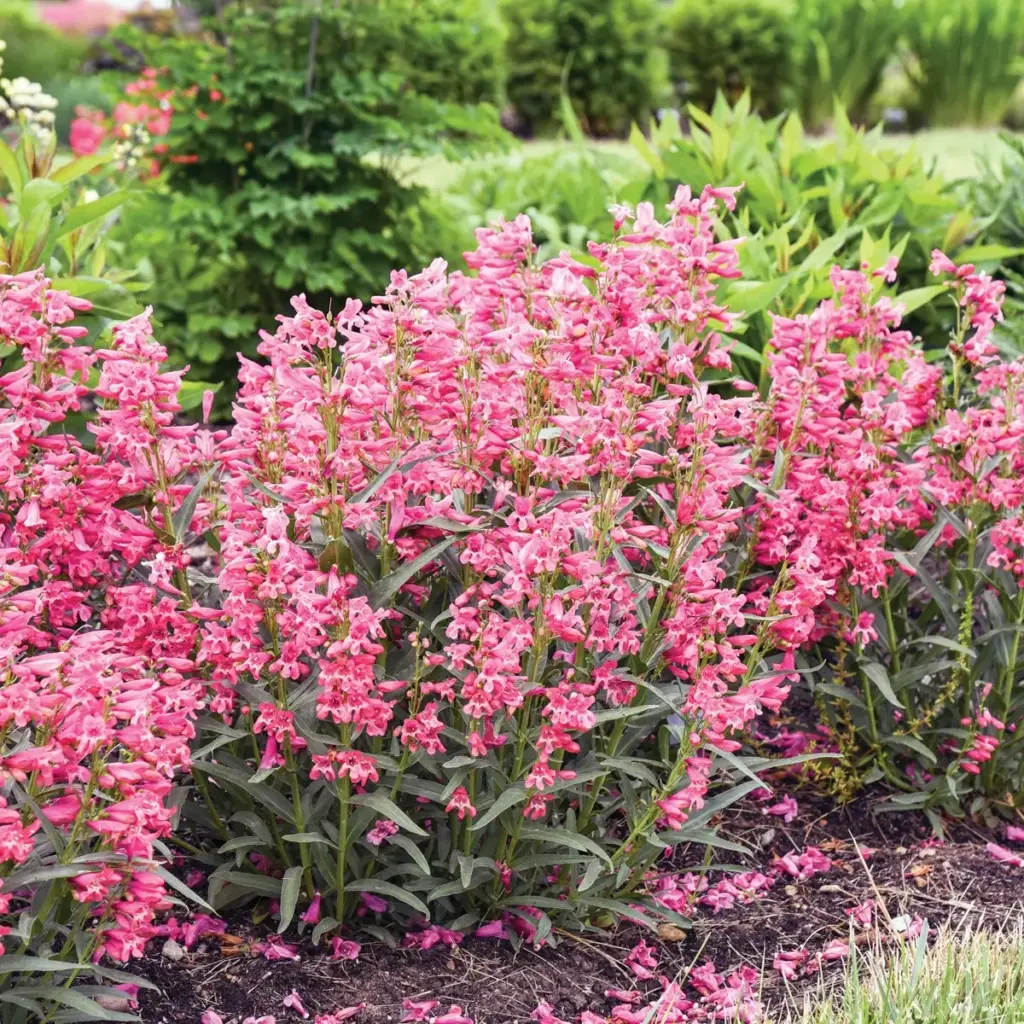
‘Pink Pearls’ Bearded Penstemon
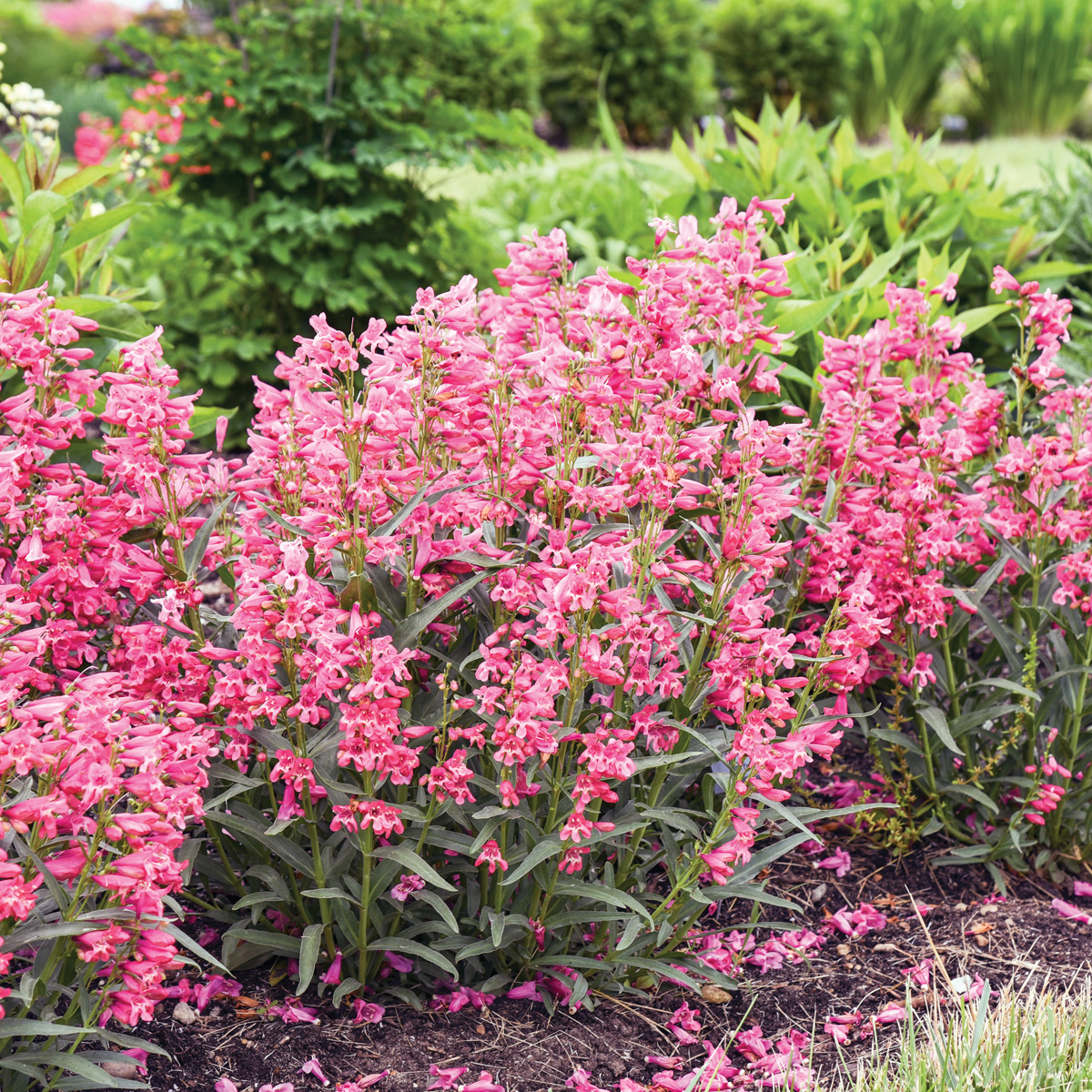
For gardeners seeking high-impact color that commands attention from across the yard, ‘Pink Pearls’ bearded penstemon offers an unmistakable focal point. Schanen notes that when she first evaluated the perennial as part of a plant trial, its near neon-pink blossoms were so luminous that she temporarily lost track of the specimen until its striking color caught her eye from a distance. The intense hue pairs exceptionally well with neighboring silver-foliage plants, which act as a visual cooling agent to balance the boldness of the blooms.
Classified as a small- to medium-sized perennial relative to other penstemon varieties, ‘Pink Pearls’ reflects its southwestern botanical roots by demanding a sunny planting location with superior soil drainage. Gardeners who meet these fundamental criteria are rewarded with an abundant display of long-lasting tubular flowers. In addition to their aesthetic appeal in garden borders and perennial beds, these blossoms serve as a dependable magnet for local hummingbirds seeking nectar throughout the season.
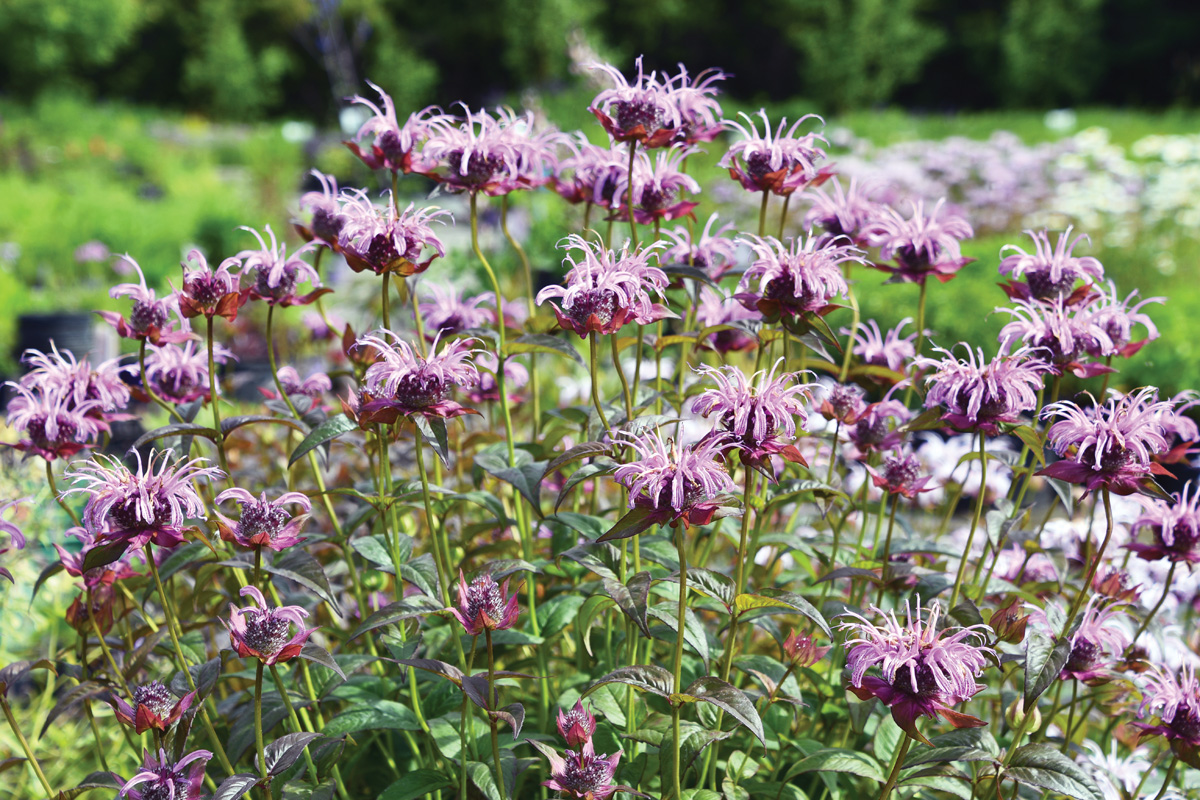
‘Bumble Bee King’ Bee Balm
Bee balm is traditionally celebrated for its vibrant floral displays and popularity among pollinators, but the genus is also notoriously prone to a variety of garden challenges, including powdery mildew and aggressive underground spreading habits. These persistent issues often deter growers from adding them to constrained landscape designs. However, the introduction of cultivars specifically bred to overcome these hurdles has shifted the conversation among regional horticulturalists.
The ‘Bumble Bee King’ cultivar offers a distinct advantage by sharing the controlled, clumping growth habit of its parent species, eastern bee balm (Monarda bradburiana, hardy in Zones 5 through 8), meaning it remains safely contained rather than taking over adjacent garden beds. Additionally, the plant exhibits strong resistance to mildew and other common foliar diseases.
In Schanen’s Wisconsin garden, the plant produces attractive lavender flowers as early as June, providing a crucial early food source for hungry bumblebees navigating the landscape. Beyond its traditional blooming period, the cultivar provides extended ornamental value through its unique foliage cycle. The leaves emerge in spring featuring a shiny, deep purple coloration. Once the summer flowers eventually fade, distinctive, ball-shaped seed heads remain intact, delivering architectural interest to the garden deep into the off-season.