When it comes to cultivating a thriving landscape in the Pacific Northwest, choosing the right flora to match the region’s unique climate conditions is essential. Regional reporter and horticulture expert Fionuala Campion has shared her top four plant selections tailored specifically for Pacific Northwest gardens. Ranging from unique foliage with striking color contrasts to vibrant, ruffled blooms that draw in pollinators, these curated selections offer plenty of inspiration for gardeners looking to refresh their outdoor spaces. Whether dealing with full sun, dappled shade, coastal winds, or the desire for low-maintenance perennials, these four standouts provide a mix of structure, color, and resilience.
Sahara™ Tiny Treasure Euphorbia
Topping the list of recommendations is the Sahara™ Tiny Treasure euphorbia, a glowing, compact perennial that forms a neat, fluffy mound of golden-green foliage. As the seasons shift from late spring through summer, this plant produces bright chartreuse blooms that act as a magnet for local pollinators, each flower distinctly centered with a tiny red eye.
As autumn arrives, the evergreen foliage takes on an extra layer of visual interest, flushing with rich bronze highlights that brighten cooler days. Like its larger botanical relatives, this cultivar shares a reputation for being resilient against common garden pests, remaining gopher-, deer-, and bunny-proof. Once established, it exhibits strong drought tolerance and can withstand sea winds and harsh coastal conditions, making it an ideal choice for properties near the water.
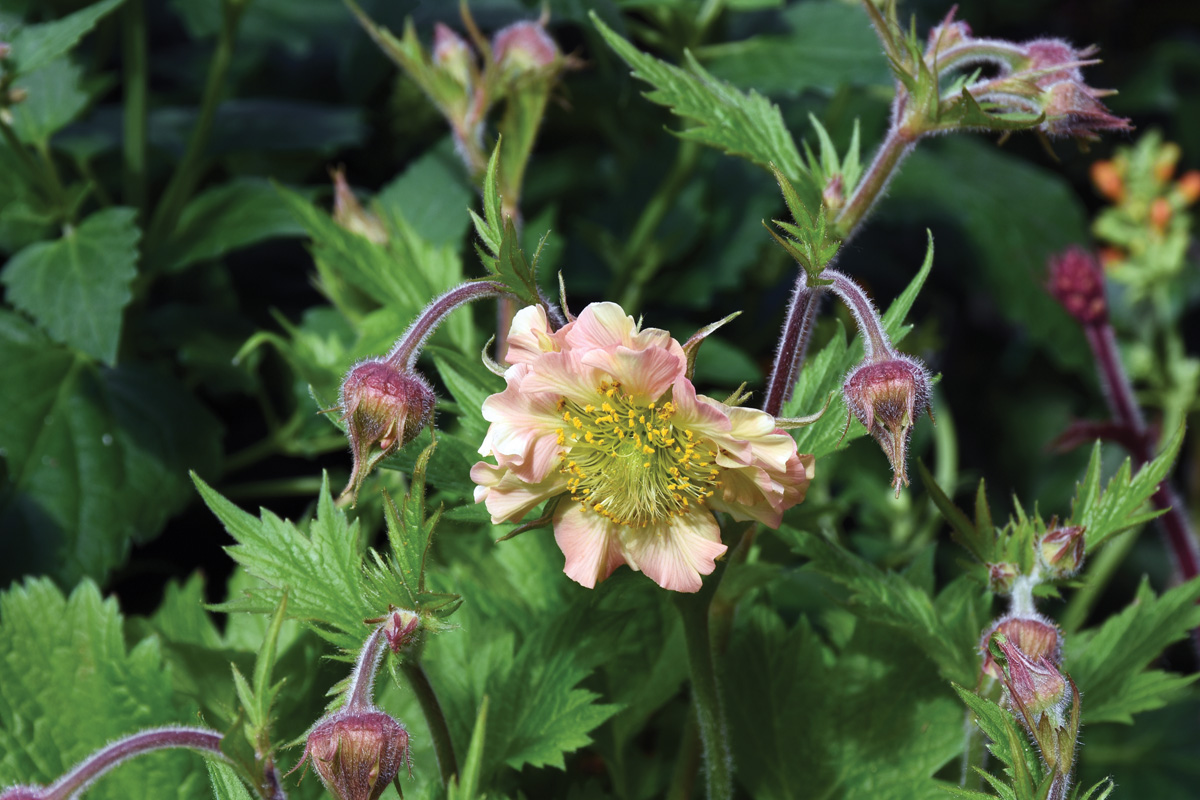
Landscape designers often recommend positioning this versatile plant along the edges of walkways, at the front of a mixed perennial border, or tucked into a rock garden. Its tidy growth habit also makes it an exceptional option for container gardening, where its radiant color can serve as a striking focal point on a patio or deck.
Seaside Serenade® Glacier Bay Hydrangea
For gardeners seeking structure and prolonged flower power, the Seaside Serenade® Glacier Bay hydrangea offers an impressive array of traits. This deciduous shrub is celebrated for its sturdy framework and the striking visual contrast created by its abundant white lacecap blooms, deep green foliage, and nearly black stems.
Rather than requiring the massive footprint of a traditional hydrangea, this tidy, compact cultivar delivers all the aesthetic benefits on a much more manageable scale. It provides reliable structure and seasonal interest without overwhelming smaller garden spaces.
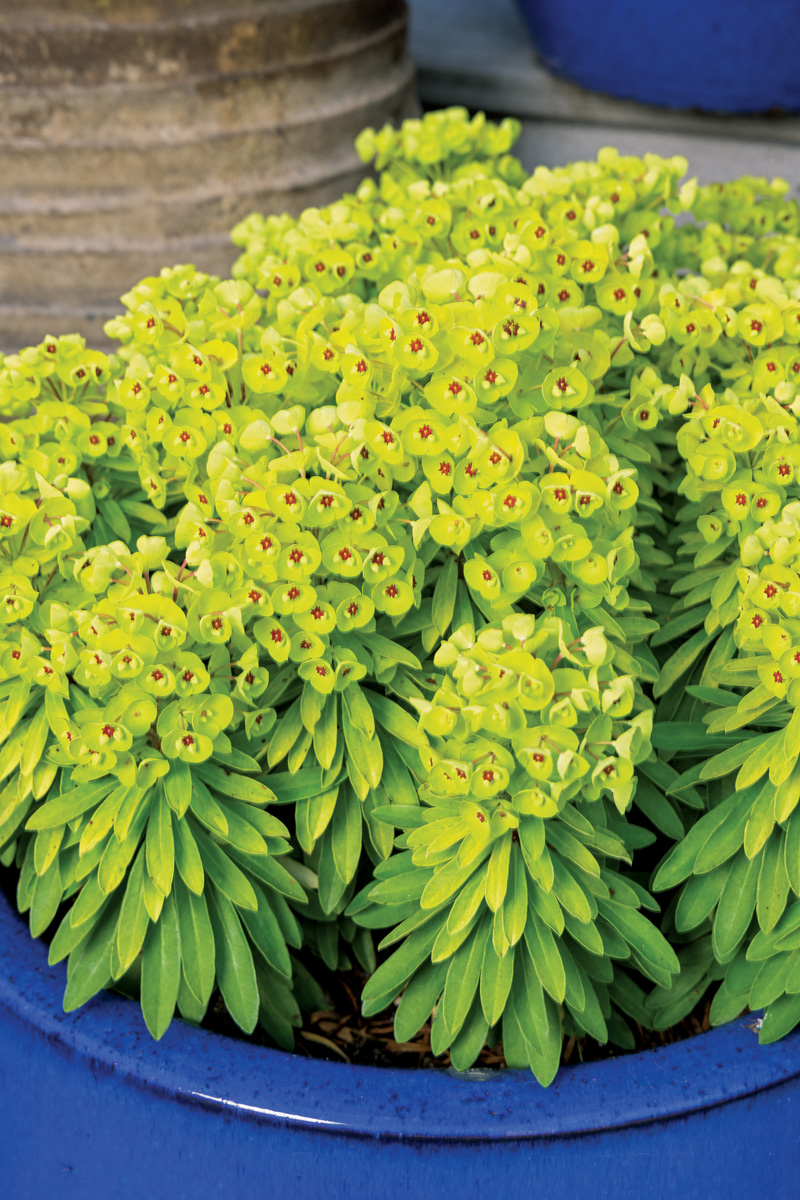
The plant looks magnificent when planted in mass across a landscape, but it is equally charming when grown in a container or positioned as a focal point in the middle of a shaded border. Additionally, the abundant blooms function wonderfully as cut flowers for indoor arrangements. To keep this deciduous shrub thriving, gardeners should provide morning sun or dappled light throughout the day, while ensuring it receives vital afternoon shade in warmer microclimates.
‘Mariken’ Ginkgo
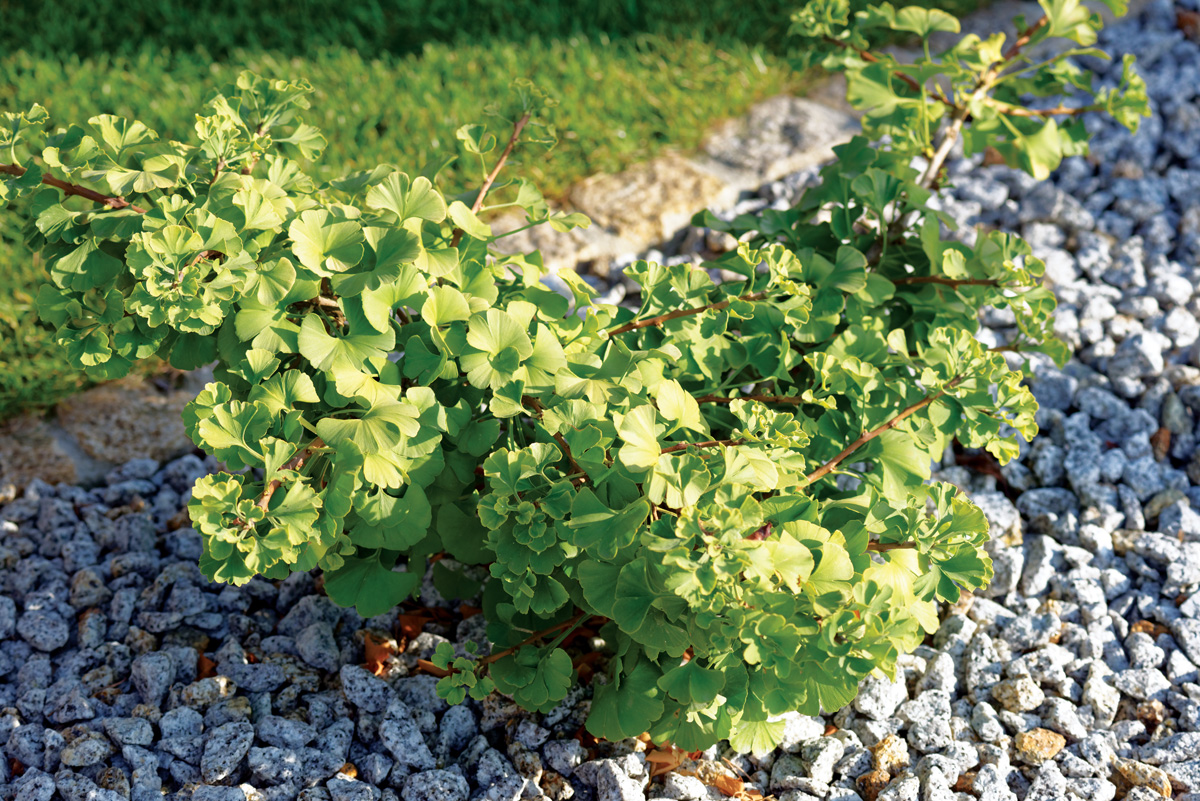
For those interested in incorporating ancient history and architectural form into their landscape, the ‘Mariken’ ginkgo offers a remarkable dwarf alternative to one of the world’s oldest living tree species. Ginkgos have existed on Earth for over 200 million years, having survived the extinction of the dinosaurs and been carefully preserved by monks in China. Today, the species is widely celebrated for its prehistoric lineage, distinctive fan-shaped leaves, and brilliant autumnal color displays.
This particular dwarf selection retains the iconic foliage of the straight species but packages it onto a much smaller, more manageable tree. Despite its modest stature, the plant features sturdy, spreading branches that lend architectural structure and year-round interest to the garden.
In the spring, bright green leaves emerge from prominent buds, eventually maturing to a leathery green during the summer months. As temperatures drop in the autumn, the foliage transitions to a vivid gold before blanketing the ground beneath the tree in a brilliant yellow carpet. The ‘Mariken’ ginkgo is an exceptional fit for Japanese-inspired gardens and performs exceptionally well when cultivated in containers.
Pretticoats™ Peach Geum
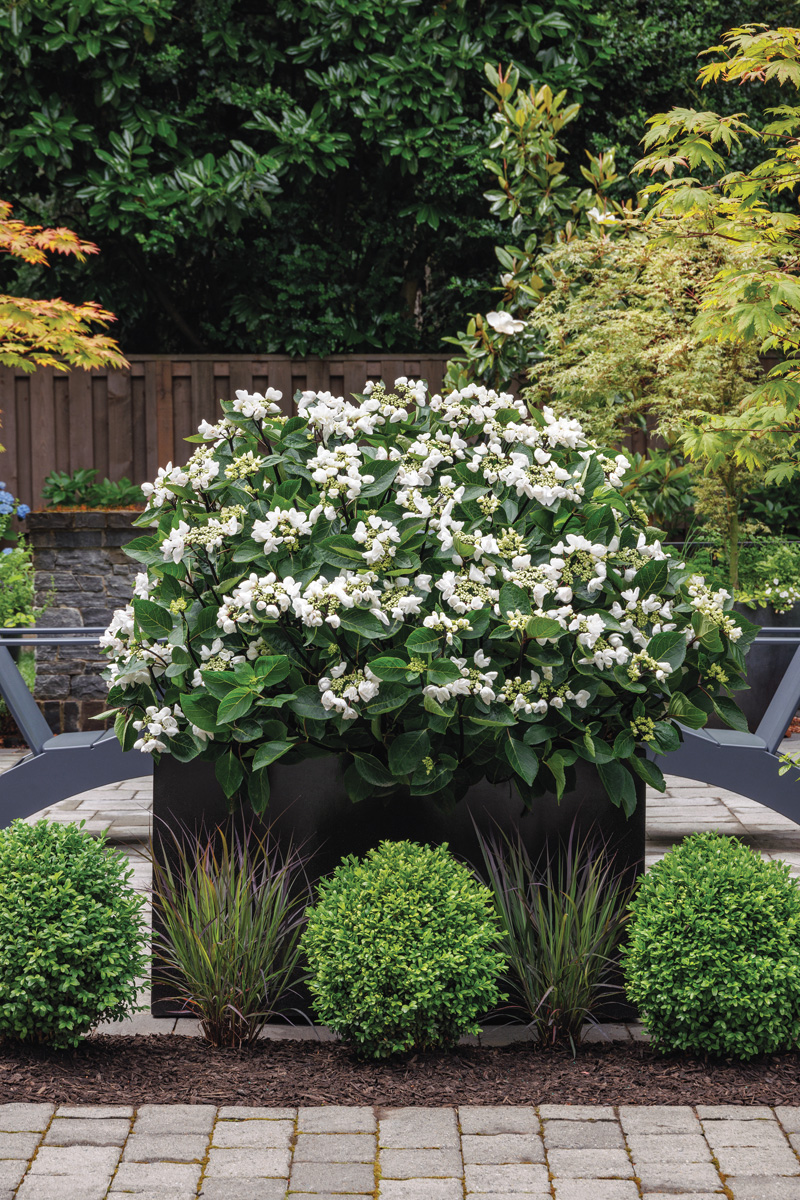
Rounding out the expert selections is the Pretticoats™ Peach geum, a vigorous yet compact plant that remains somewhat of a hidden gem among many gardeners. As a tidy, reblooming variety of a classic cottage garden favorite, it initiates its growth cycle with a low-growing basal rosette of textured, green foliage.
Above this foundational foliage, wiry stems emerge to display a profusion of ruffled, peachy butter-yellow blooms. Flowering begins heavily in the spring and continues to dance above the leaves from late spring through the fall months. While a wide variety of beneficial pollinators are drawn to the blossoms, the plant is remarkably unappealing to deer, rabbits, and gophers, offering a reliable option for gardens troubled by browsing wildlife.
In warmer climatic zones, the perennial retains its evergreen nature, though it may occasionally defoliate when subjected to colder regional winters. The delicate, ruffled flowers also serve as perfect cut-flower additions for small, charming bouquets. To achieve the best results, Pretticoats™ Peach geum prefers rich, well-draining soil in locations with full sun, though it can tolerate light afternoon shade.
Fionuala Campion brings extensive hands-on horticultural experience to her reporting as the owner and manager of Cottage Gardens of Petaluma in Petaluma, California, alongside her role as a regional reporter for Fine Gardening. These four selected plants highlight the diverse palette available to gardeners in the Pacific Northwest, blending aesthetic appeal, seasonal adaptability, and practical resilience against regional growing challenges.