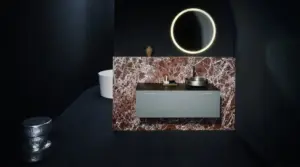
Commissioned as part of the Task Eternal initiative at the newly opened Powerhouse Parramatta, the Off-World Habitat Wall Section stands as a full-scale architectural installation that brings the theoretical realm of space colonization into tangible, physical reality. Designed by the specialized space architecture studio AENARA—founded by Melodie Yashar—the exhibition opens on November 7, 2026, offering visitors an unprecedented look at a conceptual Martian dwelling envisioned for the year 2075.
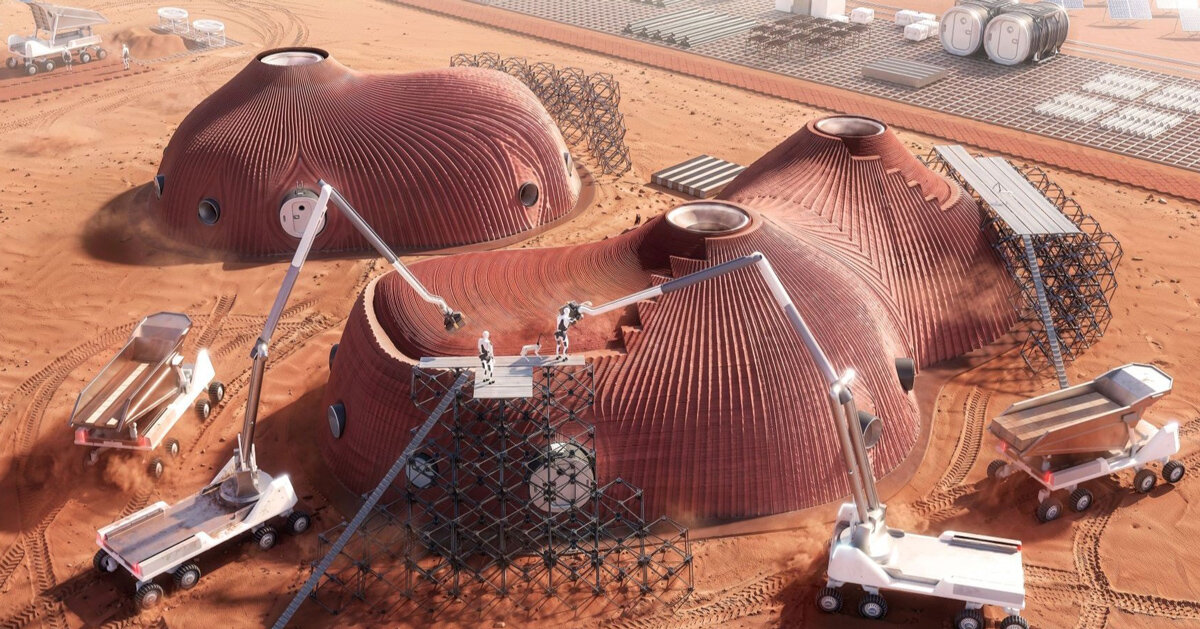
The installation is not merely a speculative mockup; it is the culmination of a rigorous, year-long feasibility study conducted in collaboration with NASA partners, university researchers, and various industry leaders. By translating complex aerospace research into a physical cross-section, the exhibition exposes the intricate structural strata, mechanical utilities, and autonomous manufacturing techniques that will ultimately be required to sustain human life in some of the most extreme off-world environments imaginable. Through this comprehensive cross-section, viewers can observe how disparate engineering systems—from radiation shielding to advanced air-recycling conduits—must seamlessly interlock to create a habitable zone on a barren planet.
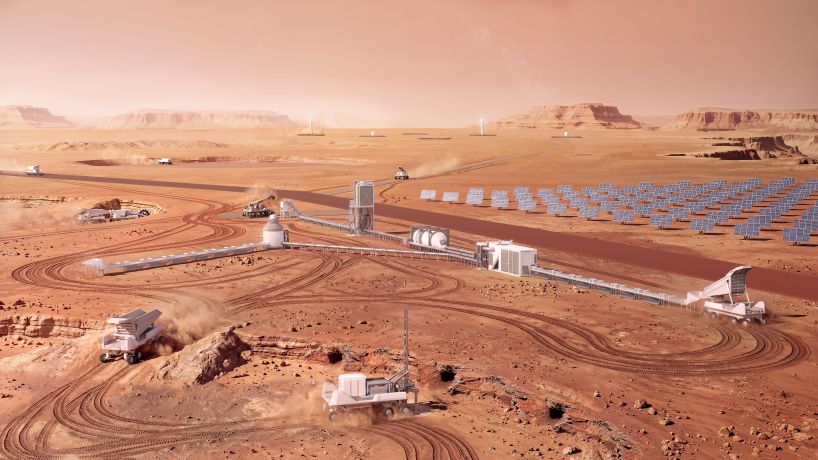
3D PRINTED SULFUR CONCRETE SHELLS INTEGRATE LIFE-SUPPORT SYSTEMS
At the core of AENARA’s design philosophy is the seamless coordination between protective outer envelopes and interior life-support infrastructure. The wall cutaway details an autonomous construction sequence heavily reliant on In-Situ Resource Utilization, commonly known as ISRU. This methodology minimizes the need to transport heavy building materials from Earth by leveraging local planetary resources. Specifically, the installation showcases robotic 3D-printed outer shells formed from a robust combination of sulfur concrete and local Martian regolith.
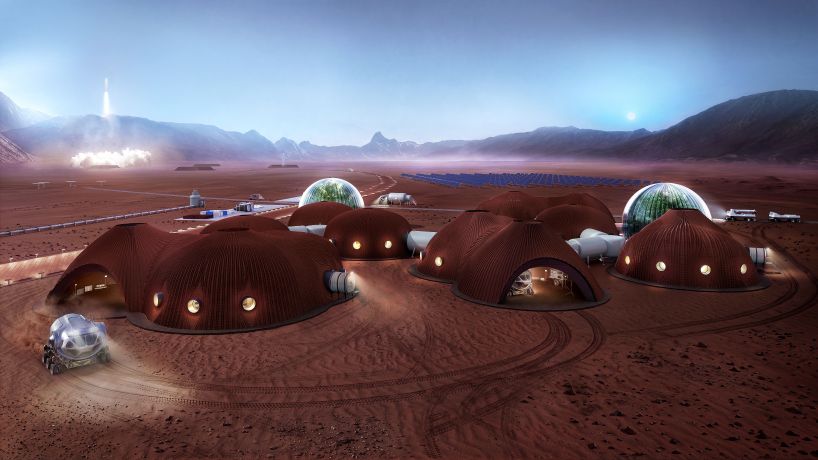
Behind this hardened exterior shield lies a sophisticated multi-layered defense system designed to protect future crews from the harsh Martian climate. The structural assembly features a flexible inflatable pressure membrane, specialized radiation shielding to counteract cosmic rays and solar flares, and high-performance thermal insulation capable of managing extreme temperature fluctuations. Integrated conduits systematically route vital services throughout the module, handling complex tasks such as water filtration, atmospheric recycling, data transfer, and power delivery.
Beyond purely mechanical and survival metrics, AENARA’s design places a strong emphasis on crew psychology, acknowledging that mental well-being is just as critical as atmospheric stability during long-duration missions. To combat the psychological strain of isolation in an alien environment, the interior module incorporates thoughtful daylighting strategies and expanded window viewports. By bridging the gap between extreme-environment aerospace research and scalable construction methodologies, the project offers valuable insights that are applicable not only to future off-world settlements but also to terrestrial circular construction practices here on Earth.