As voters across the United States head to the polls for the 2026 midterm elections, the future of the nation’s arts, culture, and heritage sectors hangs in the balance. These midterms mark the first nationwide electoral test since President Donald Trump began his second term in the Oval Office, a period characterized by intense ideological friction between the administration and the country’s cultural institutions.
Over the past year and a half, the cultural sector has found itself repeatedly in the crosshairs of federal policy. The administration has pursued a series of financial and ideological crackdowns on the Smithsonian Institution, sparking sharp debates over federal oversight and institutional independence. Meanwhile, unapproved pet projects have begun cropping up around the US Capitol, and heavy border construction has devastated fragile cultural landscapes and historical sites, including ancient native etchings in Arizona. Coupled with disputes over arts funding, censorship, and the rapid rise of artificial intelligence regulation, these controversies have transformed what might traditionally be standard midterm issues into a referendum on American identity and creative freedom.
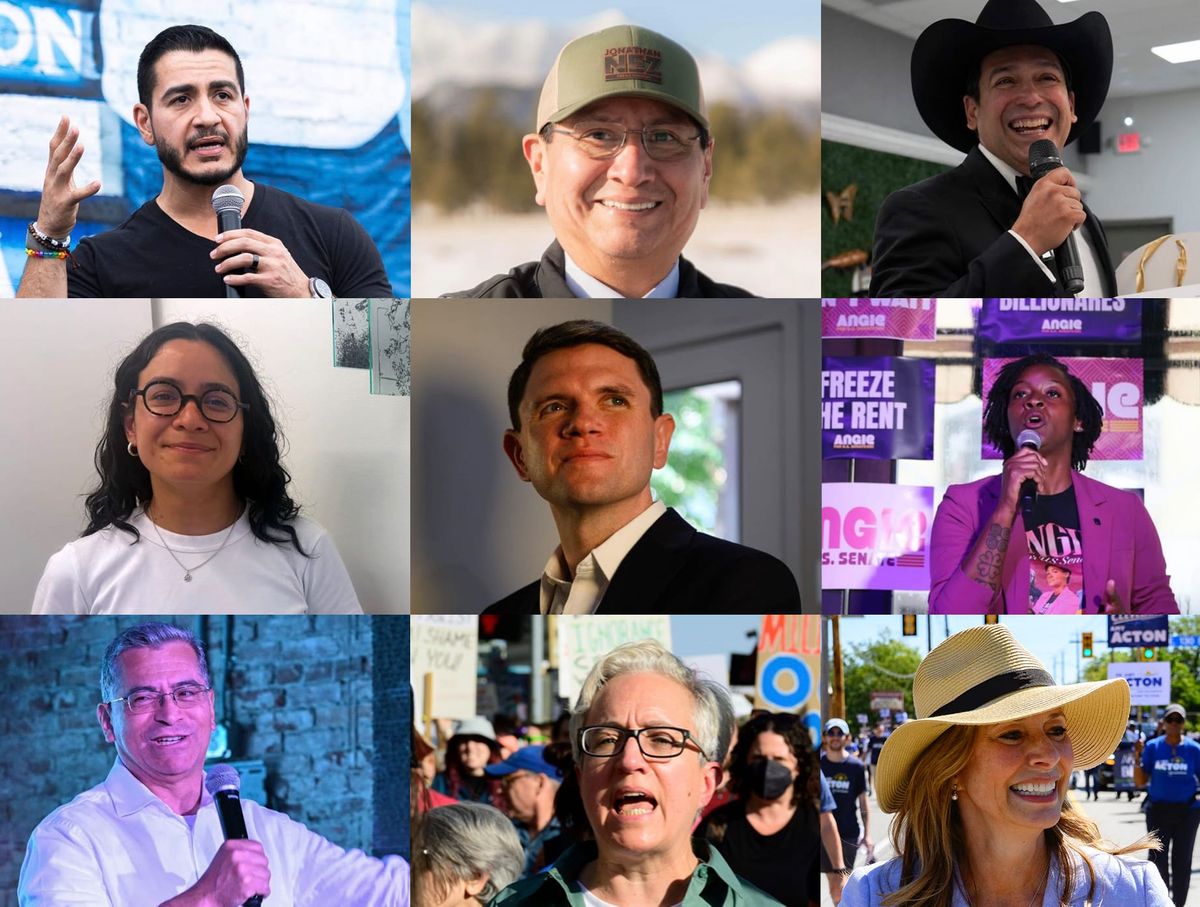
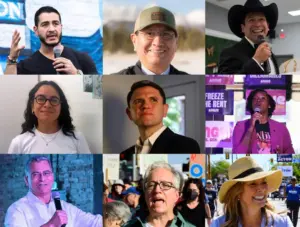
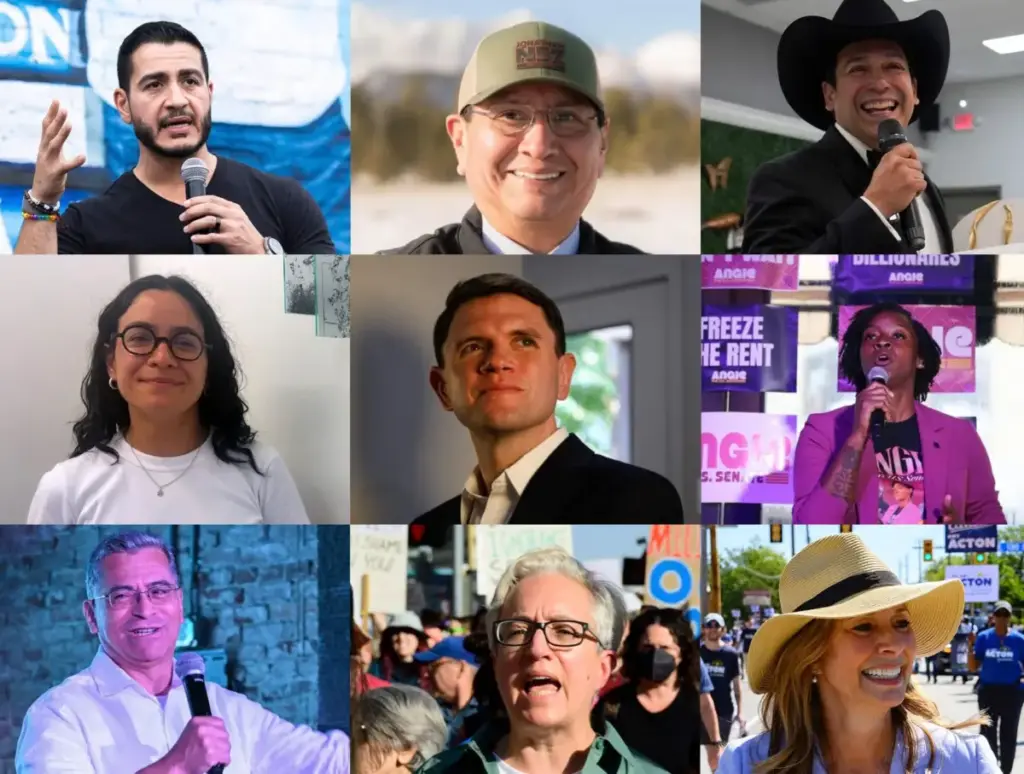
Because Congress holds the ultimate power of the purse—deciding appropriations for essential federal arts entities such as the National Endowment for the Arts (NEA)—the balance of power in the House and Senate is of paramount importance to cultural workers, institutions, and advocates. With Republicans currently holding narrow majorities in both chambers, every congressional race carries heightened stakes. Across the country, a diverse array of candidates is stepping forward to shape these debates, ranging from grassroots artists running for federal office, such as Claire Valdez in New York and musician Bobby Pulido in Texas, to veteran culture and civil rights advocates like Angie Nixon, who is contesting a crucial Senate seat.
To understand how these intersecting federal and local battles will impact the nation’s creative landscape, a closer look at the key Senate, House, and Gubernatorial races reveals where the future of American arts and culture is truly being decided.
Senate Races
Control of the United States Senate remains one of the most fiercely contested battlegrounds of the 2026 cycle, with several high-profile races directly affecting federal cultural policy, institutional funding, and civil liberties. Among the most closely watched contests is the high-stakes Senate race in Michigan, which has captured national attention for both its political volatility and the intensity of its cultural clashes.
Michigan
In Michigan, Democratic candidate Abdul El-Sayed holds a narrow lead, ahead of Republican challenger Mike Rogers by an average of five points in one of the most anticipated and contentious match-ups of the election cycle. El-Sayed, an epidemiologist and former head of the Detroit and Wayne County health departments, has built a campaign centered on public health, economic opportunity, and civic investment. However, his campaign has frequently been overshadowed by repeated racism and culture war tirades directed at his Muslim faith and his past criticisms of Israel. Both Rogers and President Trump have targeted El-Sayed over these themes throughout the campaign, turning the contest into a flashpoint for broader debates over religious tolerance, free expression, and political discourse.
On the other side of the aisle, Rogers brings a conventional national security background to the race as a former FBI agent and United States Representative. Endorsed by Trump in July 2025, Rogers has secured substantial financial backing, including major donations from prominent pro-Israel lobbying groups during this election cycle.
For the nation’s cultural sector, the outcome in Michigan—and in parallel Senate battlegrounds across the country—will have profound ripple effects. The next session of the Senate will be tasked with confirming federal judges who rule on intellectual property, copyright law, and free speech protections, while also determining whether national funding for the arts and humanities will see continued support or further retrenchment. As voters cast their ballots tomorrow, the broader cultural community is watching closely to see how the results will shape the preservation of history, the protection of creative expression, and the federal government’s relationship with the arts for years to come.