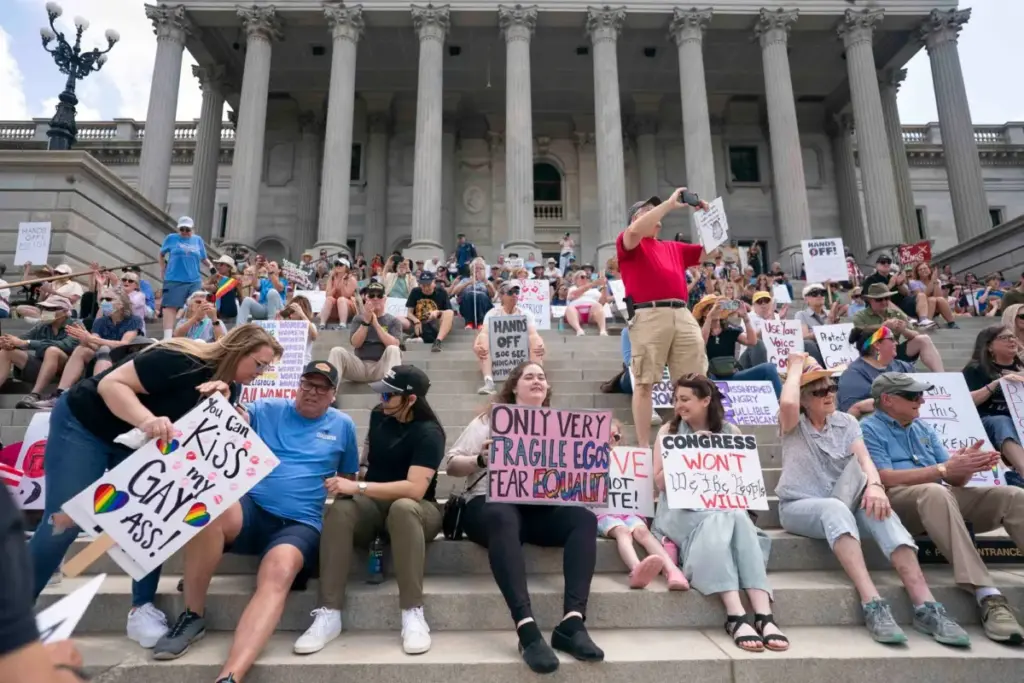
As voters across South Carolina prepare to head to the polls for the upcoming November 3 election, many are closely examining how the results could impact not just local legislation and leadership, but the future of cultural expression and artistic freedom in the state. At the center of this growing debate is the governor-appointed South Carolina Arts Commission (SCAC), an agency that has recently found itself embroiled in controversy following a significant shift in its funding guidelines and a subsequent round of grant denials.
Earlier this month, the SCAC made headlines when it officially denied funding applications submitted by two distinct LGBTQ+ performing arts organizations, as well as an individual artist whose work focuses heavily on immigration issues. These denials followed a controversial policy change enacted by the commission in August, during which the agency established sweeping new guidelines explicitly prohibiting the distribution of public funds to any creative work deemed to promote "any ideology." Critics note that this language closely mirrors the political rhetoric utilized by President Donald Trump regarding federal funding restrictions, raising immediate alarms among civil liberties advocates, artists, and cultural organizations statewide.
Established in 1967 by then-Governor Robert E. McNair, the SCAC has historically operated as a vital pillar for the state’s cultural ecosystem. Comprising nine volunteer members appointed directly by the governor, the agency has distributed more than $132 million in critical grants over the decades to individual artists, public schools, and a wide array of cultural organizations across South Carolina. For generations, this funding has been instrumental in supporting community theater, regional arts education, and diverse cultural programming that reflects the rich tapestry of the state’s population.
However, over the past year, the agency’s trajectory has shifted noticeably. The SCAC has faced mounting scrutiny from local artists and cultural watchdogs for increasingly singling out LGBTQ+ arts groups during its grant review processes, alongside the implementation of what many describe as opaque and unpredictable funding restrictions. The tension reached a boiling point following an August 20 board meeting, after which the commission formally announced its restrictive new rule barring grantees from directing public dollars toward the promotion of any perceived ideology.
The vague and sweeping nature of the restriction has drawn swift and severe condemnation from national free speech organizations. Yesterday, October 28, the National Coalition Against Censorship (NCAC) published a scathing official statement denouncing the SCAC’s new guidelines and the subsequent grant rejections.
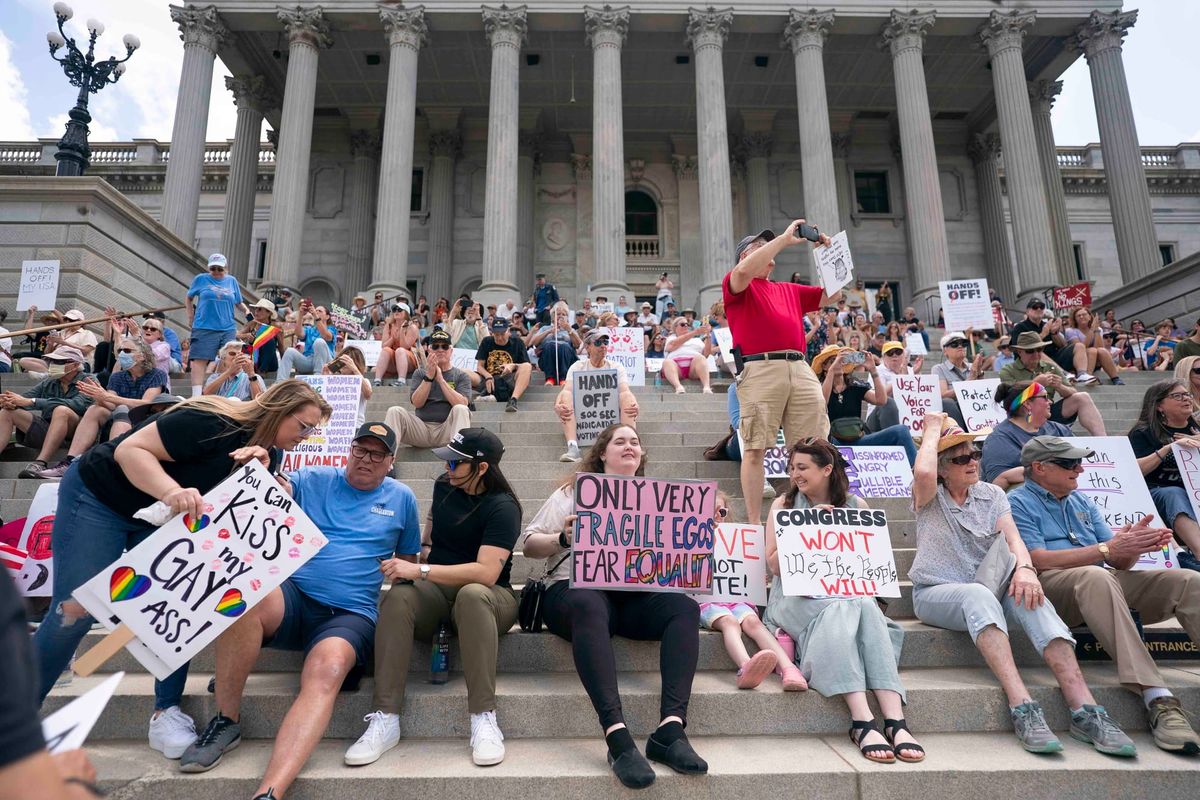
"Without a clear definition of ‘ideology’ or ‘promotion,’ the new rule can be used to suppress almost any cultural activity that touches on society, history, identity, religion, science, or politics," the NCAC wrote in its public statement, highlighting the chilling effect the policy is expected to have on creative communities throughout South Carolina.
The civil liberties organization also pointed out the striking parallels between the state-level commission’s actions and recent federal initiatives. The SCAC’s new grant rule closely mirrors President Donald Trump’s efforts to restrict federal grant funding for creative and academic projects that touch upon subjects related to "gender ideology," a broad and heavily contested term frequently deployed by political figures to advance essentialist and anti-trans perspectives on gender identity and expression.
Elizabeth Larison, the director of arts and culture advocacy at the NCAC, elaborated on the gravity of the commission’s policy shift in a statement provided directly to Hyperallergic. Larison emphasized that the procedural timing of the rule change compounds the ethical and democratic concerns surrounding the commission’s decisions.
"SCAC’s adoption of a new grant rule after proposals had been independently reviewed and vetted is a problem in itself," Larison stated. "But the fact that this rule is vague enough to allow government appointees to veto any projects they don’t personally like is a threat to artistic freedom and democratic principles in South Carolina."
The controversy highlights a growing national trend where state-level cultural and educational funding bodies become battlegrounds for broader political and cultural debates. Independent peer-review panels, which traditionally rely on artistic merit, community impact, and professional criteria to vet grant applications, now find their recommendations subject to political vetoes by politically appointed boards. For the artists, performers, and cultural organizers whose livelihoods and community programs depend on state support, the uncertainty surrounding the SCAC’s new standard has created a climate of self-censorship and anxiety.
As the November 3 election approaches, members of South Carolina’s arts community and advocacy groups are urging voters to consider the broader implications of these governance decisions. With the authority of governor-appointed commissioners directly impacting which stories are permitted to be told with public support, the fundamental question of artistic freedom has emerged as a significant, albeit often overlooked, issue on the ballot for citizens across the state.