In the fall of 2024, Italian law enforcement successfully utilized artificial intelligence to solve a decades-old art heist, analyzing photographs taken at a popular European antique fair and identifying a targeted oil painting as one that had been stolen from a church near L’Aquila twenty years prior.
The breakthrough highlights the evolving technological capabilities of the Carabinieri Command for the Protection of Cultural Heritage, Italy’s specialized art crime squad. The unit has been deploying a sophisticated AI algorithm to identify stolen artworks and artifacts since 2023. The platform responsible for this high-profile recovery is known as SWOADS—an acronym for the Stolen Works of Art Detection System. The innovative tool was developed by Salvatore Rapicavoli, an IT engineer who joined the specialized art crime team in 2023 with the objective of modernizing how authorities track down illicitly acquired cultural treasures.
The operation and its technological underpinnings were detailed in a report by the BBC, outlining how Italian police officers visited Mercanteinfiera in October 2024. Mercanteinfiera is a prominent, four-decade-old antiques exhibition known colloquially as an “antiques village,” drawing vendors, collectors, and exhibitors from all corners of Europe. During their routine patrols and inspections at the sprawling fair, officers captured digital photographs of various items on display and uploaded them directly into the national art crime database.
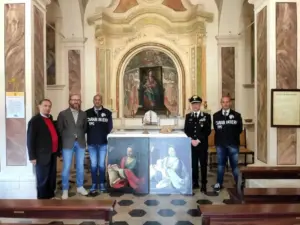
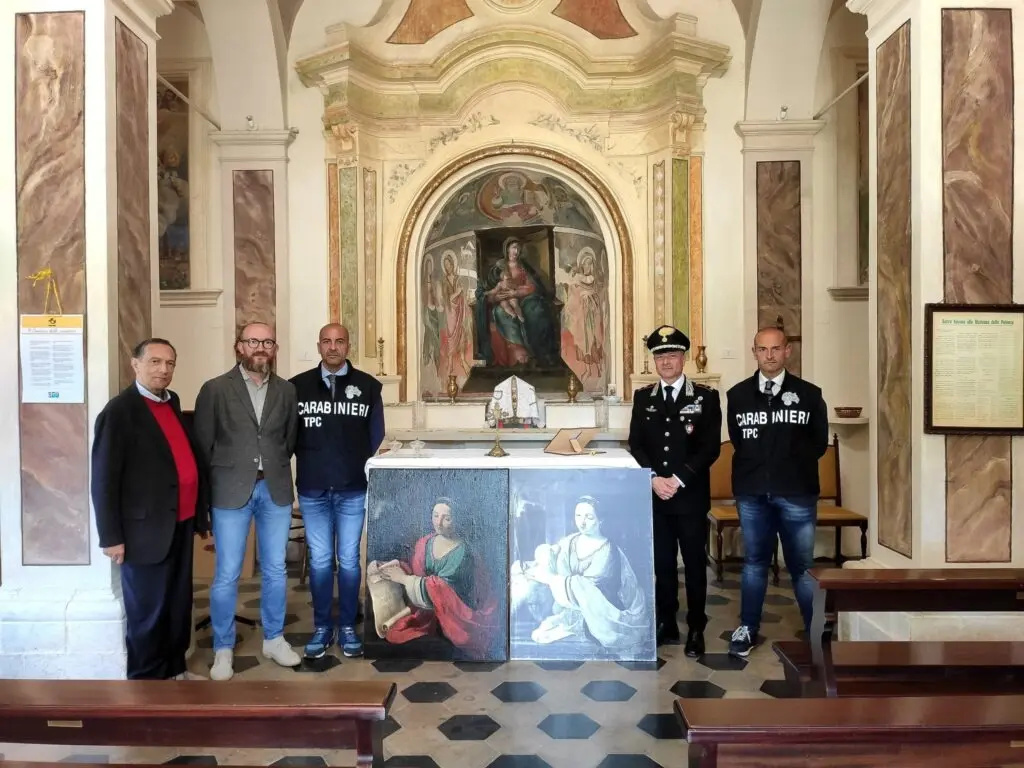
Upon processing the images, the SWOADS platform flagged a specific photograph depicting a young woman holding a scroll. The oil painting in question bore a strong resemblance—though, crucially, not an exact match to the naked human eye—to a 17th-century devotional artwork representing Saint Agnese. The original piece had been taken from Virgo Potens, a small church located in Sulmona within the mountainous Abruzzo region of Italy, during a burglary two decades earlier.
A closer examination revealed how the artwork had been altered to evade detection over the past twenty years. In the original composition, Saint Agnese was depicted cradling a lamb, a traditional Christian iconographic symbol for the saint. However, at some point during the painting’s time on the illicit market, the lamb had been painted over with a scroll inscribed with Latin text. Despite this deliberate alteration intended to disguise the piece’s true identity, the SWOADS algorithm was able to pierce through the physical changes. The system successfully identified hidden visual fingerprints embedded within the work, drawing computational parallels between subtle shades of color, brushstroke distribution, and the rough underlying silhouettes of the composition.
The integration of advanced technology into the daily operations of the Carabinieri Command has yielded remarkable results under Rapicavoli’s technical guidance. According to information detailed in the BBC report, SWOADS has been instrumental in the recovery of more than 300 large-scale paintings and statues, alongside a staggering volume of smaller historical objects numbering over 165,000 pieces. This vast array of recovered items includes ancient coins, historical letters, and rare medals. Combined, the total estimated value of the cultural heritage assets recovered with the assistance of the AI platform exceeds $200 million.
As for the portrait of Saint Agnese, its journey out of the shadows concluded with its official repatriation. The recovered painting was formally returned to the diocese and the small church from which it had been torn two decades prior, restoring a piece of local religious and artistic heritage to its rightful home. Meanwhile, investigations into the historical theft remain active, though the perpetrators responsible for the original 2004 burglary have yet to be apprehended by authorities.