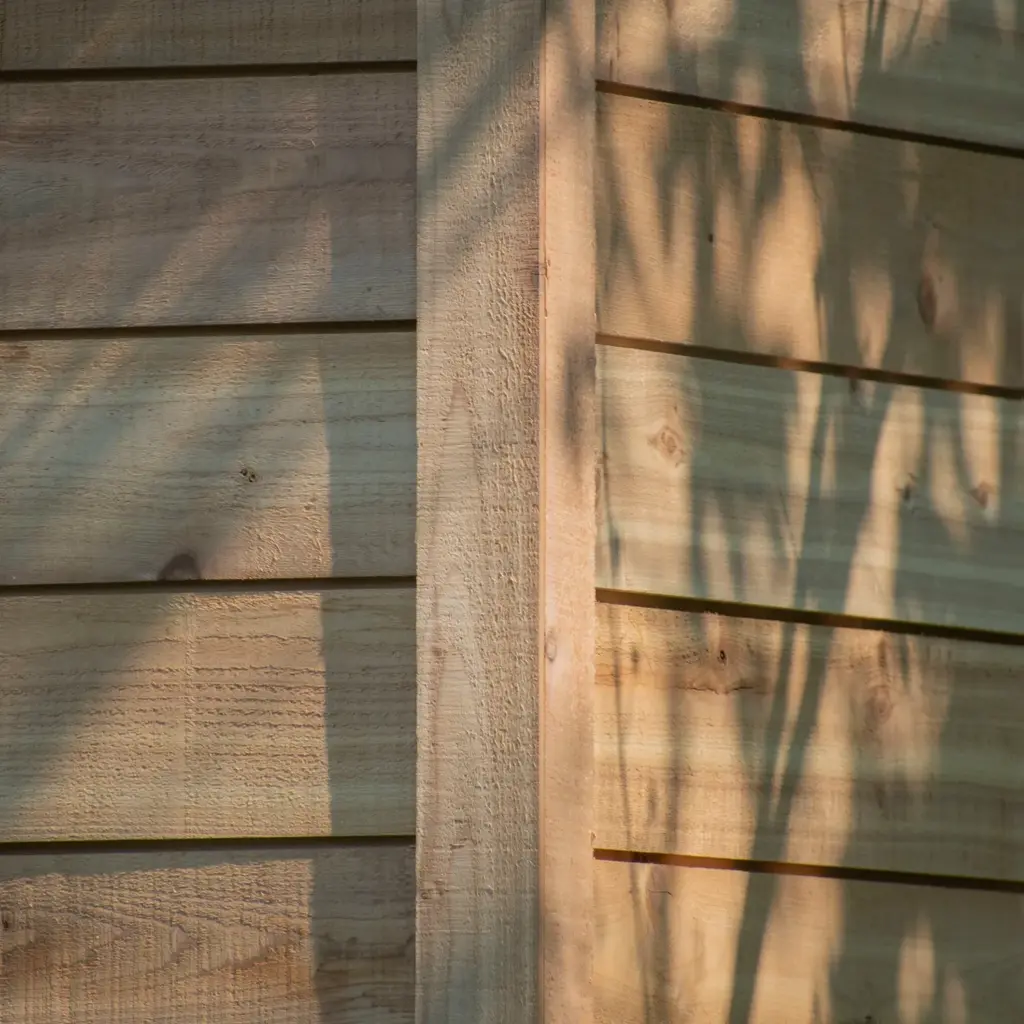
Western Red Cedar has long occupied a revered position in the building and woodworking industries. Admired universally for its natural beauty, exceptional longevity, and remarkable resistance to decay, the material has traditionally been the gold standard for high-end exterior structures, architectural siding, and custom carpentry. However, as the construction sector evolves under mounting pressures to improve material efficiency, reduce environmental waste, and maximize the utility of harvested timber, builders and homeowners are actively embracing innovative manufacturing techniques. Chief among these developments is finger-jointed Western Red Cedar, a specialized engineering method that allows shorter cedar pieces to be joined into longer, stronger, and more dimensionally stable boards without sacrificing the species’ characteristic performance or aesthetic warmth.
What Is Finger-Jointed Western Red Cedar?
At its core, finger-jointing is a precise woodworking and manufacturing process designed to optimize lumber yield. Instead of discarding shorter lengths of high-quality cedar timber that result from milling operations, manufacturers use specialized machinery to cut interlocking, finger-like profiles into the ends of these pieces. High-performance, weather-resistant adhesives are then applied, and the sections are firmly bonded together under controlled pressure to create continuous, long-length boards.
This engineering technique effectively transforms what would otherwise be offcuts into premium, usable building materials. Once the boards are finished, sanded, and painted or sealed, the joints become virtually invisible. The resulting product maintains the rich character and structural integrity of solid-sawn cedar while offering significantly improved dimensional consistency and a drastic reduction in material waste.
Why Finger-Jointed Cedar Matters in Modern Construction
The growing industry shift toward finger-jointed cedar is driven by a convergence of economic and environmental imperatives. Western Red Cedar possesses inherent natural attributes—specifically its resistance to rot, insect infestation, and moisture damage—that stem from natural extractives within the wood. Crucially, these protective chemical properties are preserved even when the timber is processed through finger-jointing.
By optimizing shorter cedar pieces that would traditionally be downcycled or discarded, manufacturers can deliver a more uniform, reliable material while minimizing the environmental footprint of logging operations. This efficiency makes finger-jointed cedar a deeply conscientious choice that aligns seamlessly with contemporary sustainable building practices. Architects and green builders increasingly specify the material because it delivers the architectural performance required for demanding exterior applications while supporting broader industry goals of resource conservation and circular manufacturing.
The Benefits of Finger-Jointed Western Red Cedar
Strength and Stability
One of the primary engineering advantages of finger-jointed cedar is its enhanced structural stability. Solid lumber naturally contains internal stresses that can cause boards to warp, bow, twist, or check as they dry and weather over time. The finger-jointing process disrupts these natural tension lines. By bonding shorter, stable segments together with interlocking joints, manufacturers distribute internal stresses more evenly across the length of the board. This results in straight, true boards with exceptional structural reliability, making them ideal for long-run applications where straightness is paramount.
Cost Efficiency
Material optimization directly translates to economic value. Because finger-jointing utilizes shorter cedar sections that require less virgin timber, the overall production costs are managed more efficiently than those of long, clear-grade solid boards. This makes finger-jointed cedar a more cost-effective solution for large-scale construction projects and extensive architectural installations, particularly when the wood is intended for painted applications where natural grain patterns are concealed beneath a protective finish.
Consistent Dimensions
Precision engineering ensures that every piece of finger-jointed cedar is crafted to exact, uniform dimensions. In traditional timber framing and finishing, variations in thickness and width can introduce frustrating discrepancies on the job site. Finger-jointed stock offers a high degree of predictability, allowing contractors and professional builders to achieve tighter seams, cleaner miters, and faster installation times. This dimensional predictability reduces labor hours and minimizes on-site adjustments, making the material a favorite among both commercial contractors and skilled DIY builders.
Natural Resistance to Decay
A common misconception among consumers is that engineered wood products lose their natural durability. However, because finger-jointed boards are manufactured using the same high-grade Western Red Cedar harvested from sustainably managed forests, the wood retains its innate resilience. It continues to resist moisture absorption, fungal decay, and destructive insects just like traditional solid-sawn cedar. This makes it exceptionally well-suited for demanding exterior environments, including exposed siding, architectural trim, fascia, and various outdoor structures.
Aesthetic Appeal
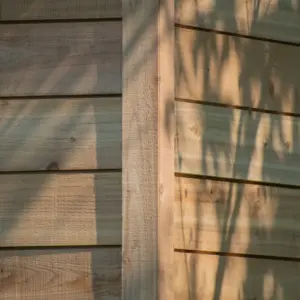
Aesthetics remain a primary reason builders and designers choose cedar over synthetic alternatives. Finger-jointed Western Red Cedar retains the species’ signature warm, reddish-brown tones and fine grain texture, offering a sophisticated look that elevates both traditional and modern architectural designs. Over time, when left unfinished or treated with a transparent sealer, the wood gracefully weathers into a distinguished silver-gray patina, preserving its timeless visual appeal while requiring minimal ongoing maintenance.
Versatility for Many Project Types
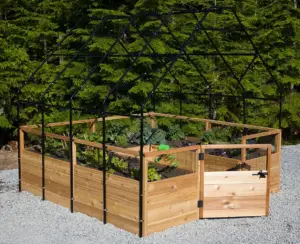
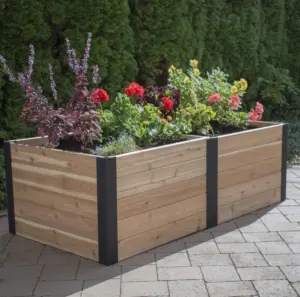
The adaptability of finger-jointed Western Red Cedar allows it to perform across a wide spectrum of building applications. Contractors frequently specify the material for exterior siding, intricate trim work, porch ceilings, pergolas, and custom architectural build-outs. Because the boards are stable and straight, they integrate smoothly into diverse architectural styles, ranging from rustic mountain cabins and craftsman-style homes to sleek, contemporary urban residences.
As the construction industry continues to prioritize both environmental responsibility and long-term material performance, innovations like finger-jointed Western Red Cedar offer a balanced path forward. By combining traditional timber quality with modern engineering efficiency, builders can achieve the aesthetic and structural results they demand while supporting sustainable forestry practices for future projects.