Educational institutions across the country are increasingly looking beyond traditional four-walled classrooms to bring learning directly into the natural world. Driven by a growing body of research demonstrating that time spent in nature significantly improves student focus, emotional confidence, and overall well-being, schools are steadily embracing outdoor education as a fundamental component of the modern curriculum.
At the forefront of this movement is the integration of garden beds within schoolyards. These dynamic outdoor spaces offer students a tangible way to explore complex concepts in science, food systems, and environmental responsibility through direct, hands-on participation. To support this growing trend, manufacturers such as Outdoor Living Today—a Canadian producer specializing in durable Western Red Cedar garden products—have been providing reliable, long-lasting solutions designed to withstand the rigors of school environments year after year.
The momentum behind school gardens stems from their profound educational value, which extends far beyond simply growing vegetables. According to research published by the American Horticultural Society, garden-based learning serves as a powerful catalyst for academic improvement, increased physical activity, and the healthy development of social and emotional skills among children.
Proponents of outdoor learning note that gardens naturally reinforce core academic subjects. Whether students are measuring plant growth to apply mathematical concepts, studying the life cycles of insects for biology, or recording weather patterns to understand meteorological shifts, the garden acts as a living laboratory.
Furthermore, educational experts emphasize the power of experiential learning. Children consistently retain information more effectively when they are actively engaged in the learning process rather than passively absorbing lectures. School gardens naturally foster curiosity, encourage experimentation, and promote collaborative problem-solving as students navigate the daily challenges of nurturing living plants.
In addition to academic gains, school gardens play a crucial role in shaping lifelong health habits. When children are given the opportunity to grow their own food, they exhibit a markedly higher willingness to taste fresh vegetables and develop a clearer understanding of where their food originates. This observation is supported by research from Cornell University, which found that children who participate in school garden programs show a significantly greater openness to consuming healthy produce.
Beyond nutrition and academics, the garden environment serves as an incubator for social and emotional growth. Working together to maintain a shared plot teaches students the value of responsibility, teamwork, patience, and perseverance. Witnessing the direct results of their labor instills a profound sense of pride and accomplishment, bolstering self-esteem and peer collaboration.
Establishing a successful school garden program involves a thoughtful, collaborative process that begins with careful planning and design. Educators and administrators typically start by mapping out the physical space, securing necessary permissions from school districts, and gathering essential supplies. While many schools rely on basic gardening tools, soil, and seeds, many also find success by partnering with local businesses and community members willing to donate materials or sponsor individual garden beds.
Integrating the garden directly into daily lesson plans ensures that the outdoor space remains a vital educational tool rather than a standalone project. Teachers frequently design activities around the garden, ranging from scientific observation and journaling to economic lessons centered on harvest distribution. By involving students in every stage—from sketching bed layouts and drafting planting schedules to sharing daily maintenance responsibilities—schools foster a deep sense of ownership and personal investment among the participants.
Plant selection is another critical consideration, with educators typically choosing varieties that thrive within their specific regional climate and match the seasonal academic calendar. Incorporating a diverse mix of vegetables, culinary herbs, and flowering plants maximizes the visual and educational impact of the space. To further enrich the experience, schools often supplement hands-on work with dedicated learning resources, such as specialized children’s literature, instructional videos, and visits from local horticulturists or master gardeners who lead interactive workshops.
Maintaining the garden requires establishing a reliable routine for watering, weeding, and basic pest management. This ongoing maintenance doubles as a practical lesson in sustainable agricultural practices, soil health, and composting. The culmination of these efforts typically arrives with the harvest season, which schools often mark with celebrations designed to honor the students’ hard work. The harvested produce is frequently incorporated into cafeteria meals, featured in classroom tasting sessions, or donated to local community food initiatives.
Finally, the cycle of learning concludes with evaluation and reflection. Educators encourage students to articulate what they have learned throughout the season, while administrators collect feedback from teachers and staff to assess the garden’s overall impact and identify areas for refinement in future years.
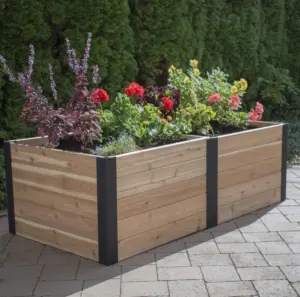
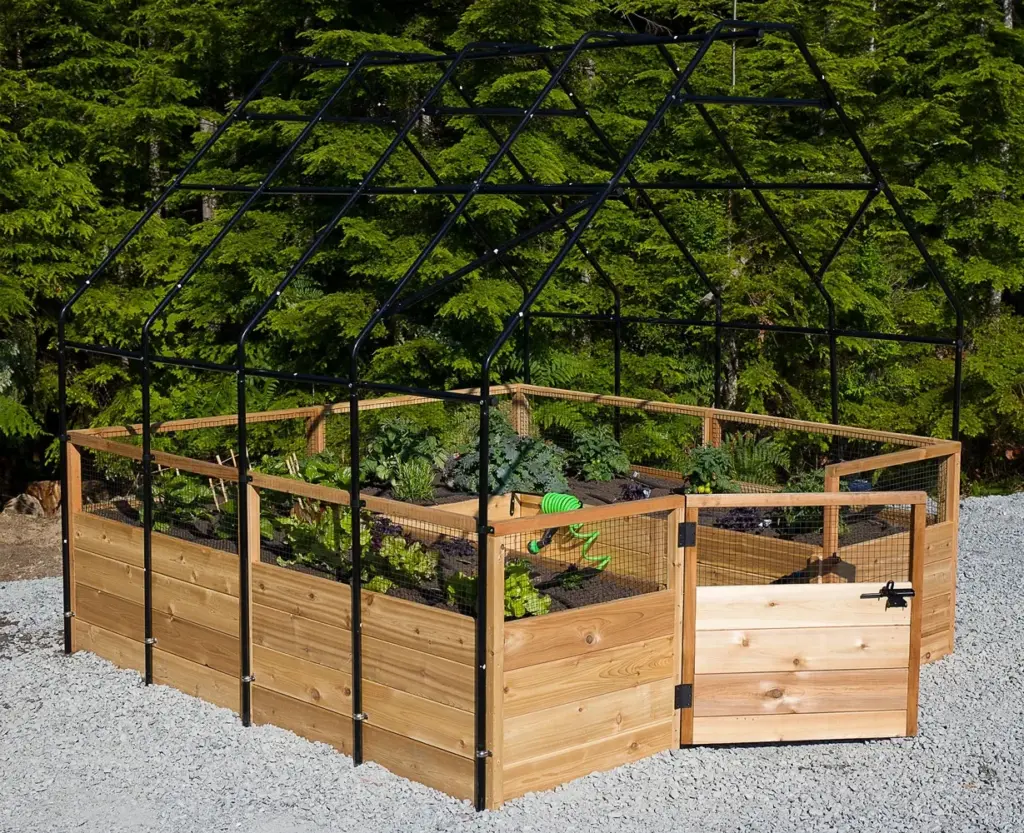
Central to the long-term success of these initiatives is the choice of materials used to construct the growing beds. Many institutions turn to Western Red Cedar for its natural, non-toxic properties, which ensure safety in food-growing environments while providing exceptional resistance to harsh outdoor weather conditions. The inherent durability of cedar minimizes the need for frequent repairs or replacements, making it an economically sound investment for school districts seeking sustainable, long-term educational infrastructure. As more schools recognize the multifaceted value of outdoor classrooms, garden beds continue to take root as a permanent fixture of modern education, bridging the gap between theoretical knowledge and real-world application.