When it comes to building a long-lasting and structurally sound outdoor shed, industry experts and manufacturers consistently point to a single decisive factor: the foundation. Without a sturdy, perfectly level base, even the highest-quality timber framing can eventually warp, doors and windows can misalign, and moisture can compromise the integrity of the structure. Addressing this fundamental aspect of outdoor construction, Outdoor Living Today has published a comprehensive new advisory detailing the essential steps and recommended foundation types for homeowners preparing to install a backyard shed kit.
Designed to remove the confusion and guesswork often associated with site preparation, the newly released guidelines cater to both first-time do-it-yourselfers and seasoned builders. According to the company, ensuring a solid foundation begins long before the shed kit arrives at the property, requiring careful planning, precise measurement, and an understanding of local site conditions.
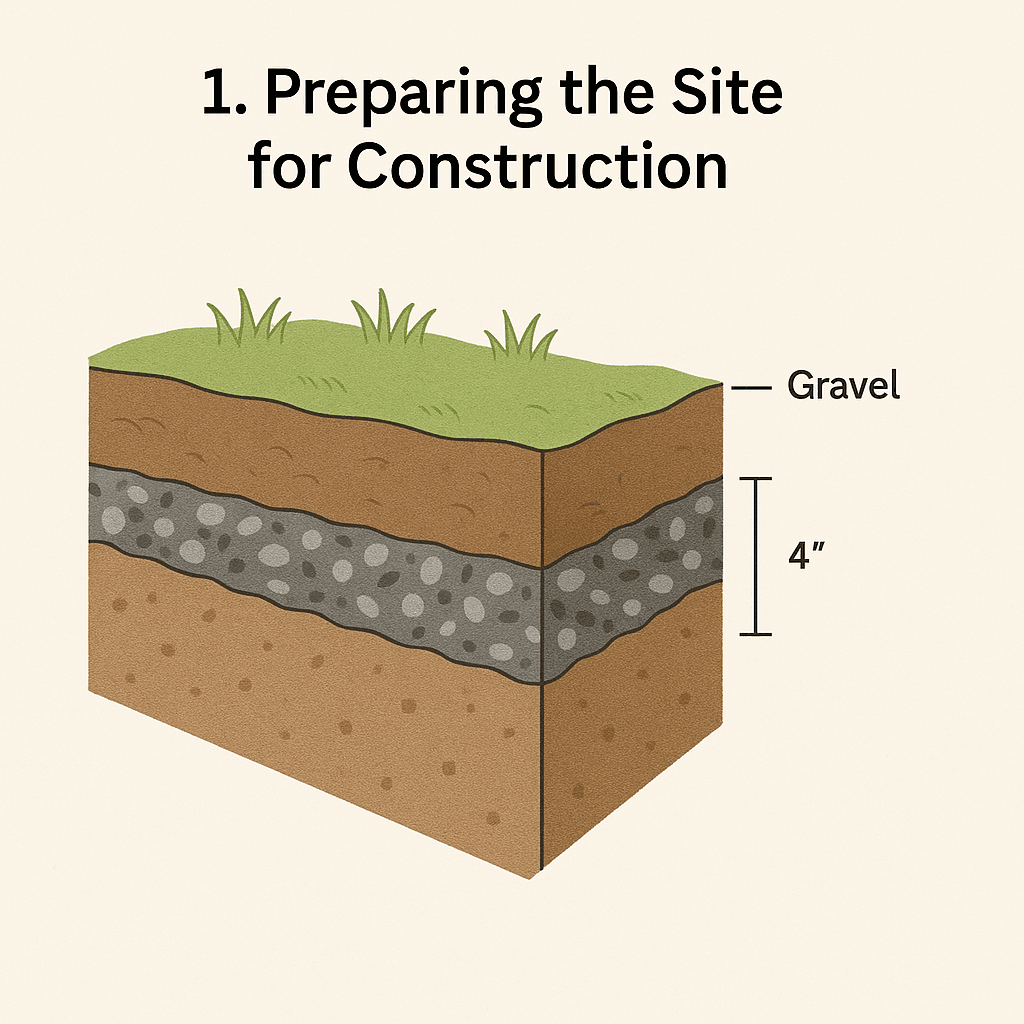
Preparing the Site
The initial phase of any successful shed project focuses heavily on site selection and preparation. Before taking delivery of a new structure, builders must carefully evaluate their property to find an area that is not only level and accessible but also compliant with local municipal bylaws and property setbacks.
Once an ideal location is selected, the ground requires thorough clearing. This involves removing all organic materials, including grass, topsoil, roots, and debris, which can decompose over time and cause the underlying soil to settle unevenly. Professional builders emphasize that settling is one of the primary culprits behind warped shed frames and stuck doors later on.
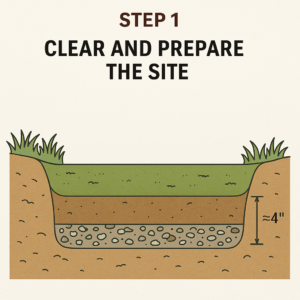
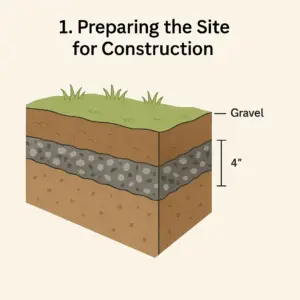
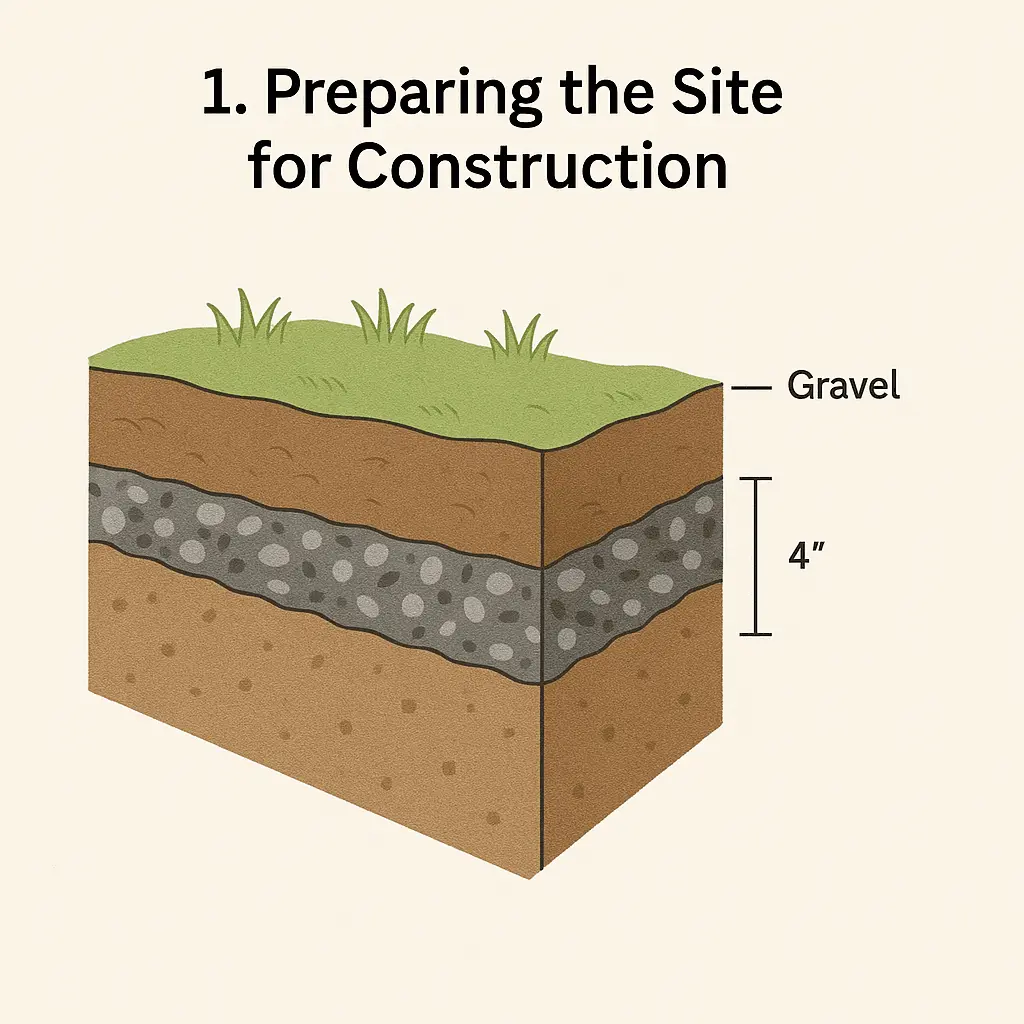
To mitigate long-term maintenance issues, experts recommend laying landscape fabric across the freshly cleared earth before adding any aggregate materials. This simple yet effective measure serves a dual purpose: it acts as a barrier against weed growth that could otherwise pierce through flooring, and it helps stabilize the soil, preventing shifting and erosion over time. Following the fabric installation, applying a layer of crushed stone or gravel creates a stable, well-draining sub-base that keeps moisture away from the bottom of the structure.
Layout and Precision
With the site cleared and leveled, the next critical phase involves marking out the exact dimensions of the future shed foundation. Precision at this stage is vital, as minor errors in measurement can magnify as the walls and roof are erected, leading to significant structural alignment issues.
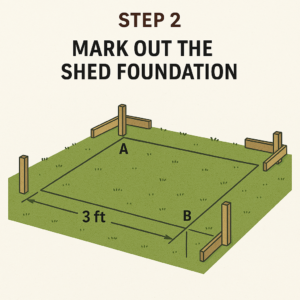
Builders are advised to use stakes and mason’s string to outline the perimeter of the foundation clearly. Measuring diagonally from corner to corner in an "X" formation ensures that the layout is perfectly square, as equal diagonal measurements indicate true ninety-degree corners. For those who find manual squaring challenging, various digital tools, smartphone applications, and online calculators are readily available to assist with complex right-angle calculations based on specific shed dimensions. Taking the time to double-check these measurements prevents costly modifications during assembly.
Choosing the Right Foundation Type
Every property and project has unique requirements, which is why Outdoor Living Today highlights three distinct foundation types tailored to different budgets, skill levels, and permanence goals. Selecting the appropriate option depends heavily on the intended use of the shed, local climate, and the homeowner’s long-term plans for the property.
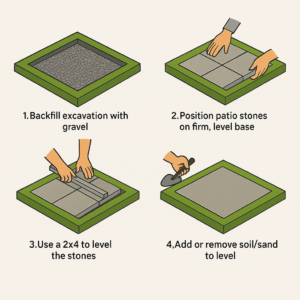
The patio stone foundation is frequently highlighted as an accessible option for DIY builders. This method typically involves laying a compacted gravel base followed by a grid of solid concrete patio stones or pavers. The primary advantage of a patio stone foundation lies in its efficiency and flexibility. It is relatively quick to install, cost-effective, and easy to adjust or even relocate if the property layout changes in the future. It provides adequate elevation and weight distribution for standard storage sheds without requiring heavy excavation or specialized equipment.
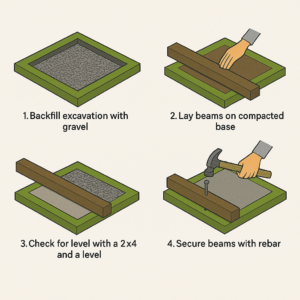
For those seeking a raised wooden base, the four-by-four pressure-treated beam foundation offers a reliable alternative. This approach utilizes heavy-duty, pressure-treated lumber laid directly onto a prepared gravel bed or concrete footings to support the floor joists of the shed. One of the significant structural benefits of this design is that it elevates the entire building off the ground, allowing for continuous airflow underneath the structure. This enhanced ventilation helps prevent moisture accumulation and significantly reduces the risk of wood rot over the lifespan of the building.
For maximum durability and a permanent installation, the concrete slab foundation remains the industry standard. Pouring a reinforced concrete pad provides a completely flat, immovable, and exceptionally strong base that can support heavy weights and withstand extreme weather conditions. Beyond structural stability, a concrete slab offers unbeatable pest resistance, sealing out rodents and insects that might otherwise burrow beneath a wooden floor. While it requires more labor, material cost, and curing time upfront, a concrete slab represents a permanent enhancement to the property.
Final Considerations and Product Specifications
Before breaking ground or committing to a specific construction method, builders are reminded that while general best practices apply to nearly all outdoor structures, individual product designs often feature unique structural requirements. Outdoor Living Today stresses the importance of consulting specific product documentation alongside general planning guides. Homeowners are strongly encouraged to review the detailed assembly manuals provided with their specific shed kits to ensure their chosen foundation aligns perfectly with the manufacturer’s engineering specifications.