Outdoor wood structures such as sheds, pergolas, greenhouses, and garden beds add warmth, beauty, and long-lasting function to residential and commercial properties alike. However, these valuable additions can only maintain their integrity if they are properly protected from the relentless forces of moisture, insects, and weathering. Whether property owners are maintaining an existing backyard retreat or planning a new installation, understanding what causes wood decay—and learning how to stop it—can dramatically extend the operational lifespan of their outdoor investments.
When timber is exposed to the elements, various forms of degradation begin to challenge its structural integrity. Among these, true wood decay is primarily caused when specific fungi break down the complex cellular structure of timber. For these destructive organisms to survive, grow, and thrive, they require a specific combination of environmental factors: adequate moisture, oxygen, moderate temperatures, and a reliable food source, which is the wood itself. Once these decay fungi become active, they rapidly weaken vital wood fibers. This fungal activity leads to visible color changes, a soft or spongy texture, and ultimately results in severe cracks, checking, and total structural instability.
Beyond fungal decay, timber is also subjected to non-fungal forms of wood degradation. These environmental pressures include the harsh bleaching and drying effects of ultraviolet exposure, general weathering, wood-boring insects, and the ever-present threat of fire. When acting together, these combined elements significantly accelerate physical wear and tear, drastically reducing the expected lifespan of any unprotected outdoor structure. This reality underscores the critical importance of selecting the right material from the very beginning of a project, as well as applying the correct protective measures over time.
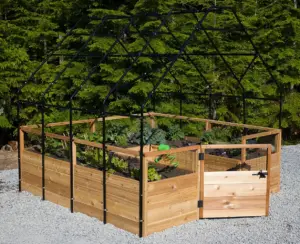
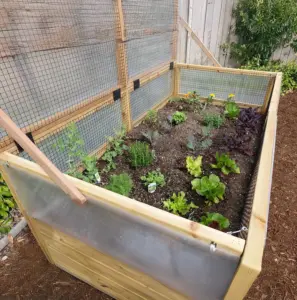
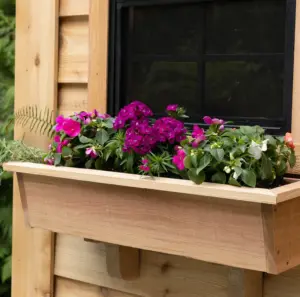
Among the various timber options available on the market, Western Red Cedar consistently ranks as one of the top-performing woods for exterior structures. Its exceptional reputation is built upon a foundation of natural characteristics and physical properties that allow it to withstand harsh climates far better than many conventional softwoods. Because of its inherent durability and natural resistance to both moisture absorption and insect infestation, cedar is widely utilized for a broad array of outdoor applications, including storage sheds, architectural pergolas, functional greenhouses, raised garden beds, children’s playhouses, and durable outdoor patio furniture. For property owners seeking long-term structural longevity combined with minimal ongoing upkeep, Western Red Cedar remains an industry-standard choice.
Preventing wood decay in outdoor structures requires a comprehensive approach that starts well before the first board is cut or fastened into place. The primary defense against premature aging begins with choosing the right species of wood. Utilizing naturally durable species like Western Red Cedar, scientifically known as Thuja plicata, offers a promising long-term solution because the wood naturally resists decay without relying heavily on chemical preservatives. While pressure-treated lumber also offers a degree of protection against subterranean threats and rot, controlling moisture remains an absolute necessity, as chemical preservatives alone cannot completely stop water absorption in saturated environments.
Moisture remains the single greatest cause of wood decay in exterior environments. To effectively reduce moisture accumulation, property owners must implement strategies that promote rapid drying and discourage water pooling. Reducing moisture exposure dramatically slows down fungal activity and preserves the underlying strength of the timber. Despite these precautions, if rot does happen to develop, immediate intervention is required to stop it from spreading. Early detection and localized treatment can prevent localized decay from migrating into nearby structural components, saving the entire installation from costly repairs or premature replacement.
Applying appropriate protective finishes, such as paints, stains, and oils, offers an additional layer of defense against weathering and ultraviolet radiation. Opaque paints provide exceptionally strong weather protection thanks to their high pigment content, making them ideal for exposed structures like sheds and pergolas. They are often most effective when applied in a controlled factory setting, which ensures a smooth, long-term finish. For those painting onsite, proper surface preparation is vital. Similarly, clear varnishes and unpigmented oils can protect wood while showcasing its natural grain, though they generally require more frequent reapplication and offer lower ultraviolet protection compared to pigmented options. Wood stains represent a popular middle-ground choice, offering a balanced combination of aesthetic enhancement and durable weather resistance, while translucent coatings provide a paint-like film that still allows the natural wood grain to remain visible.
To help property owners navigate these various finishing options, industry standards generally categorize finishes based on their protective capabilities and intended uses. Opaque paints offer excellent overall protection and strong ultraviolet resistance, making them best suited for highly exposed structures like sheds and pergolas. Wood stains provide good protection with moderate ultraviolet resistance, rendering them ideal for garden beds and outdoor furniture. Clear varnishes and natural oils, such as boiled linseed oil, offer mild protection and low ultraviolet resistance, making them more appropriate for interior-facing wood or deeply shaded structures. Finally, translucent coatings offer very good protection and good ultraviolet resistance, making them a preferred choice for high-visibility cedar products where appearance is paramount.
For those ready to invest in longer-lasting outdoor architecture, exploring structures handcrafted from premium Western Red Cedar offers a reliable path forward. Sustainably sourced, naturally durable, and engineered for long-term performance, these structures bring both aesthetic value and resilience to any property. Shoppers can find a wide selection of sheds, pergolas, garden beds, and more through specialized providers such as Outdoor Living Today.