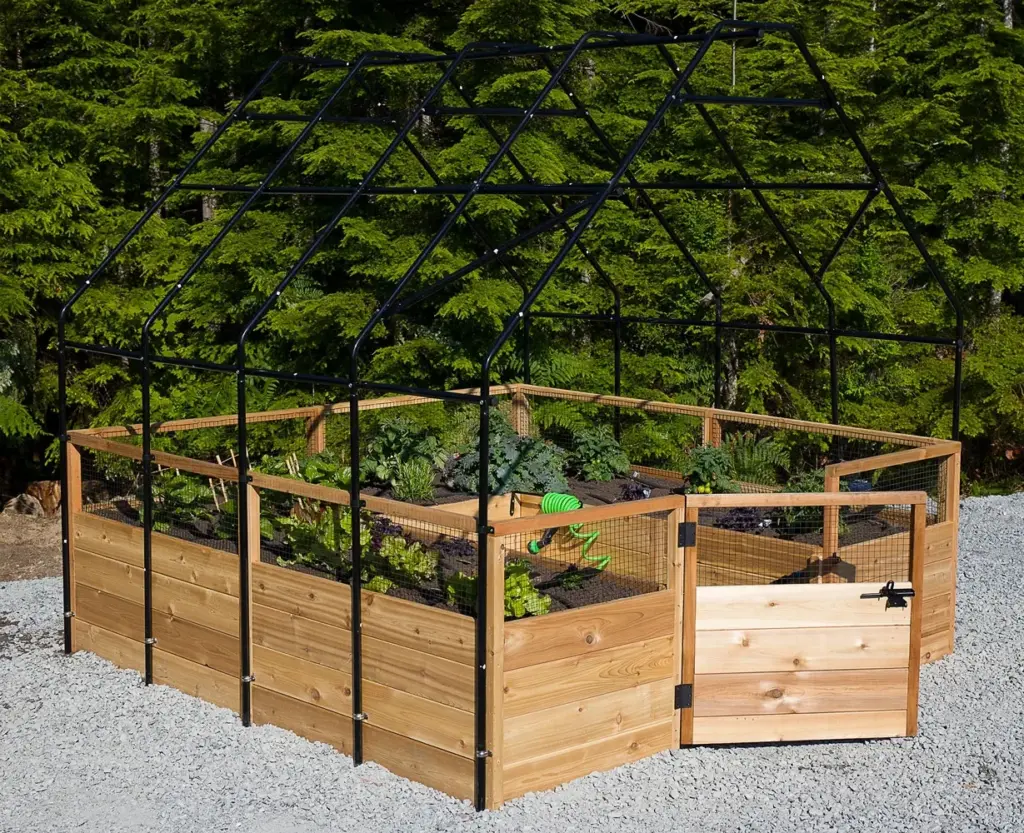
For dedicated gardeners, the annual growing season frequently feels frustratingly short and dictated by the whims of unpredictable weather. Spring often arrives notoriously late, while fall creeps in uncomfortably early, bringing sudden cold snaps, heavy rains, and surprise frosts that can easily derail even the most meticulously planned outdoor plots. When these climatic challenges are compounded by persistent garden pests, poor native soil conditions, or simply limited outdoor space, the limitations of traditional backyard gardening become glaringly apparent. It is precisely these hurdles that are driving a significant shift across the gardening community, with a growing number of enthusiasts turning to greenhouses to reclaim control over their harvests.
At its core, a properly maintained greenhouse creates a controlled micro-environment that fundamentally transforms what is possible in a backyard setting. This sheltered space allows cultivators to nurture considerably healthier plants, experiment with exotic or demanding new varieties, and extend their growing season well beyond the natural boundaries of the regional climate. Whether a gardener’s primary goal is nursing delicate seedlings through late winter, cultivating heat-loving summer crops long after the outdoor temperatures have dipped, or maintaining a steady supply of fresh herbs year-round, integrating the right structure into a landscape makes all the difference in achieving long-term horticultural success.
Industry manufacturers are responding to this rising demand by emphasizing both structural integrity and ecological responsibility. Outdoor Living Today, a prominent name in the sector, has drawn considerable attention for its Western Red Cedar greenhouses, which successfully blend sustainable forestry practices, traditional craftsmanship, and intelligent architectural design. These structures are engineered to help gardeners establish thriving, resilient plant habitats capable of withstanding the elements for many years. Preparing for this level of intensive backyard cultivation, however, requires a comprehensive approach—beginning with selecting the ideal architectural style and extending through the careful management of internal climate, soil chemistry, water conservation, and overall plant health.
Selecting the Right Greenhouse
Before purchasing materials or breaking ground for a new installation, prospective greenhouse owners must carefully evaluate their specific horticultural objectives. A successful project begins by choosing a structure that aligns seamlessly with available yard space, budgetary boundaries, and the physiological needs of the intended crops. Taking the time to assess these factors ensures that the final setup fits comfortably within the residential landscape while maintaining the precise temperature, humidity, and light thresholds required for optimal plant growth.
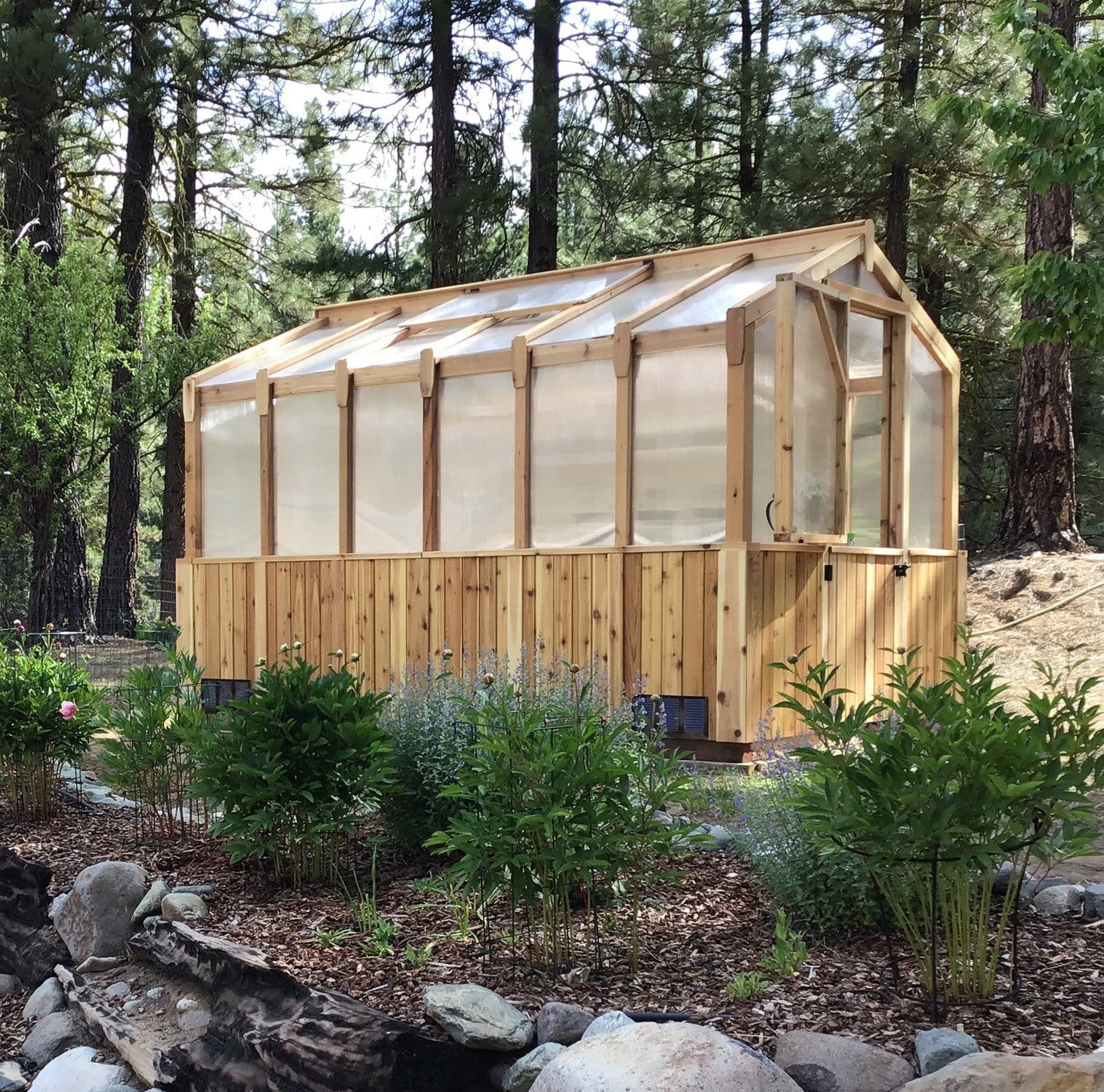
Manufacturers offer a diverse array of structural configurations to accommodate varying spatial and functional requirements. Options such as the 8×8, 8×12, 12×12, and 12×16 Western Red Cedar Greenhouses, alongside specialized SunShed models, provide distinct advantages for backyard growers. Beyond their functional capacity, these particular cedar structures are widely recognized within the industry for delivering exceptional physical durability, superior natural insulation properties, and a timeless aesthetic that complements a wide range of outdoor architectural styles.
Site Selection and Preparation
Choosing the precise geographic location for a backyard greenhouse is just as critical as selecting the model itself. The chosen spot directly dictates how much natural solar radiation the structure will absorb, how efficiently the interior will retain warmth during colder months, and how easily the owner can maintain the system year-round. Establishing optimal placement requires careful observation of sun patterns, wind corridors, and proximity to water sources.
To maximize the long-term efficiency of the structure, placement guidelines emphasize several fundamental environmental factors. Maximizing sunlight exposure is paramount, typically favoring a south-facing orientation to capture the highest possible volume of winter light when the sun sits lower on the horizon. Property owners must also clear away potential physical obstructions, such as nearby debris, low-hanging tree branches, or adjacent outbuildings that might cast persistent shadows over the glazing panels. Furthermore, constructing the greenhouse on a solid, level foundation is essential for preventing uneven structural settling and preserving long-term durability, while installing an effective weed barrier beneath and around the perimeter helps stop invasive vegetation from encroaching into the growing space.
Sustainability: Why Cedar Makes a Difference
As environmental awareness increasingly influences consumer purchasing decisions, the material composition of backyard structures has become a major focal point for gardeners and builders alike. Western Red Cedar stands out as one of the most sustainable and environmentally responsible greenhouse materials currently available on the market. Harvested primarily from responsibly managed forests in Canada and the United States, cedar maintains a remarkably low overall environmental impact when evaluated against synthetic alternatives or heavily chemically treated lumber.
The inherent natural properties of cedar eliminate the need for harsh artificial preservatives while offering impressive longevity in outdoor settings. The timber is naturally rot-resistant due to chemical extractives and oils present within the wood grain, allowing it to endure decades of exposure to moisture and fluctuating temperatures without failing. Additionally, cedar exhibits low dimensional density, meaning the wood expands and contracts significantly less than other materials during severe weather shifts. This stability preserves the alignment of doors, windows, and glass or polycarbonate panels over time.
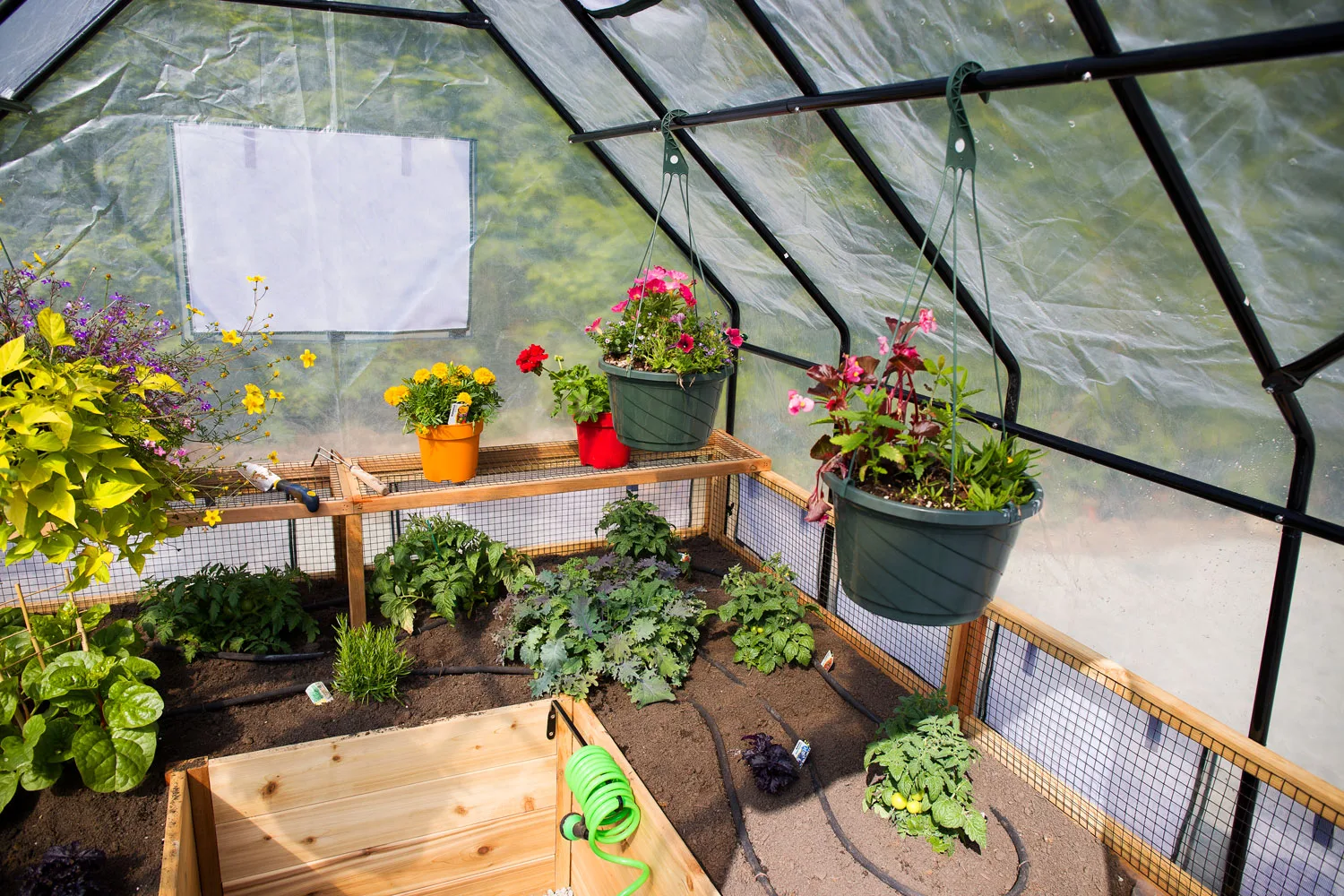
Processing cedar also demands less energy and generates a lower environmental footprint than the manufacturing of aluminum, steel, or petroleum-based plastics. According to forestry researchers, responsibly managed cedar forests help ensure long-term ecological stability through controlled harvesting cycles and active forest regeneration programs, reinforcing the material’s viability for eco-conscious consumers.
Climate Control and Ventilation
Maintaining a delicate balance between internal temperature and consistent airflow represents one of the most critical aspects of successful greenhouse management. Without adequate ventilation, solar heat and transpired moisture can accumulate rapidly within an enclosed glass or polycarbonate structure. Left unmanaged, these elevated temperatures and trapped humidity levels can severely stress plant tissues, create an inviting habitat for destructive insect pests, and accelerate the development of aggressive fungal pathogens.
Modern greenhouse designs incorporate features specifically engineered to mitigate these micro-climatic extremes without requiring constant manual intervention. Structures such as Outdoor Living Today’s cedar line utilize adjustable roof vents, allowing warm, humid air to escape naturally as cooler air is drawn in from lower intake points. This thermal stacking effect helps regulate interior conditions throughout the changing seasons, safeguarding sensitive crops from overheating during bright spring afternoons while conserving ambient warmth during cooler nights.
Irrigation and Water Management
While greenhouse cultivation offers protection from erratic rainfall and drought, it simultaneously introduces new challenges regarding moisture regulation. Plants housed within a protected environment frequently require more consistent and frequent watering than their outdoor counterparts due to accelerated transpiration rates driven by sunlight and ambient warmth. Conversely, overwatering poses an equally severe threat, frequently resulting in root rot, soil compaction, nutrient leaching, and the proliferation of soil-borne diseases.
Implementing an efficient and responsive irrigation strategy is therefore essential for sustaining healthy crops. Many growers utilize specialized misting nozzles to maintain the elevated humidity levels required by germinating seeds and young seedlings. To further enhance operational sustainability, many gardeners integrate rainwater collection systems, such as barrel kits tied to the greenhouse gutter network, capturing natural precipitation for daily irrigation needs. Ensuring proper structural drainage beneath benches and beds is equally vital to prevent standing water, minimize excessive humidity, and maintain healthy root zones. Industry data indicates that controlled greenhouse operations can significantly reduce overall water consumption compared to traditional open-air farming, primarily through targeted root-zone delivery and the minimization of surface evaporation.
Soil and Plant Selection
The enclosed nature of a greenhouse provides growers with unprecedented control over the growing medium, making soil preparation and plant selection pivotal determinants of overall productivity. Because plants are restricted to pots, raised beds, or specialized containers within a confined footprint, the quality and nutritional composition of the soil must be meticulously maintained to support continuous, high-yield growth.
Successful greenhouse management begins with utilizing high-quality, well-draining soil mixes enriched with stable organic matter, compost, and aeration amendments like perlite to foster vigorous root development. Gardeners must also test soil pH and nutrient levels periodically to prevent salt accumulations or nutrient deficiencies. In terms of crop selection, the environment accommodates a vast array of productive possibilities, ranging from culinary herbs and leafy greens to heat-loving fruiting crops like tomatoes, peppers, and cucumbers, as well as citrus trees and specialty cut flowers.
Many growers choose to initiate their crops by starting seeds indoors within specialized propagation trays, later transplanting the young starts into the greenhouse beds once robust root systems have formed. Alternatively, for those seeking quicker seasonal results, acquiring healthy nursery stock and gradually acclimating the plants to the specific light and humidity conditions of the greenhouse ensures a smooth transition and minimizes transplant shock.
By thoughtfully integrating a well-prepared and strategically located structure into a home landscape, enthusiasts can effectively eliminate the limitations of regional growing seasons while fostering stronger, more resilient plants year-round. Utilizing durable, sustainably sourced Western Red Cedar greenhouses provides a solid foundation for long-term horticultural productivity, pairing natural aesthetic appeal with enduring structural performance.