The tenth anniversary of Sydney Contemporary, held within the iconic, industrial expanse of Carriageworks—the heritage-listed former Eveleigh Railway Workshops—has concluded, offering a definitive pulse-check on the current state of the Australian art market. Against a backdrop of broader macroeconomic headwinds across the Asia-Pacific region, the milestone event revealed a landscape characterized by measured deliberation, strategic agility, and a clear, unwavering demand for material-led excellence.
The fair, which occupies a unique position in the regional cultural calendar, successfully balanced the demands of a high-end collector base with the need for broader accessibility. By leveraging hybrid models—seamlessly integrating the visceral, physical experience of the fair with robust digital engagement platforms—galleries were able to extend collector relationships far beyond the event’s closing hours. This duality proved essential, as galleries reported that while the middle market adopted a more cautious, thoughtful pace, the top-tier blue-chip sector and works defined by rigorous, material-based practices maintained significant velocity.
Tactical Engagement and Primary Market Dynamics
The atmosphere at Carriageworks was one of focused energy. VIP previews and public days saw steady foot traffic, underscoring that even in an increasingly digitized era, the physical fair remains an indispensable touchpoint for institutional figures, art advisory delegations, and private buyers.
At China Heights, director Edward Woodley reported a remarkably consistent rhythm of sales throughout the fair’s duration. The gallery’s momentum was spearheaded by the work of Kyle Montgomery, whose Crystal Mary series saw a complete sell-out, resulting in an extensive waiting list that highlights the appetite for specific, high-demand contemporary practices. Further success was found in Emmeline Joy Morris’s Flesh ceramic series, while the gallery successfully re-engaged a collector base for the works of Max Berry. By offering a tiered price spectrum—ranging from AUD$1,000 (approx. USD$650) to AUD$30,000 (approx. USD$19,500)—China Heights successfully catered to both emerging collectors entering the market and established patrons looking to consolidate their holdings. Online interest was equally fervent, with international collectors moving quickly to secure pastel works by Lucy O’Doherty and large-scale canvases by Mark Drew.
The sentiment of determined acquisition was echoed by Sotiris Sotiriou, founder of COMA. Sotiriou noted that while the institutional presence was perhaps less visible than in previous iterations, the private collector demographic—particularly from Australia and New Zealand—was exceptionally engaged. COMA utilized its home-ground advantage to highlight the gestural canvases of Oliver Wagner, the intricate ceramics of Justin Williams, and the contemplative works on paper by Renée Estée.
Similarly, Ryan Renshaw of The Renshaws described an enthusiasm that felt stronger than ever. The gallery’s presentation, anchored by the work of Michael Zavros, served as a magnet for serious interest. The total placement of Zavros’s works, alongside strong engagement with emerging artists Rebecca Diele and Alexi Cordes, reinforced the notion that high-quality, singular artistic voices remain the bedrock of a healthy primary market.
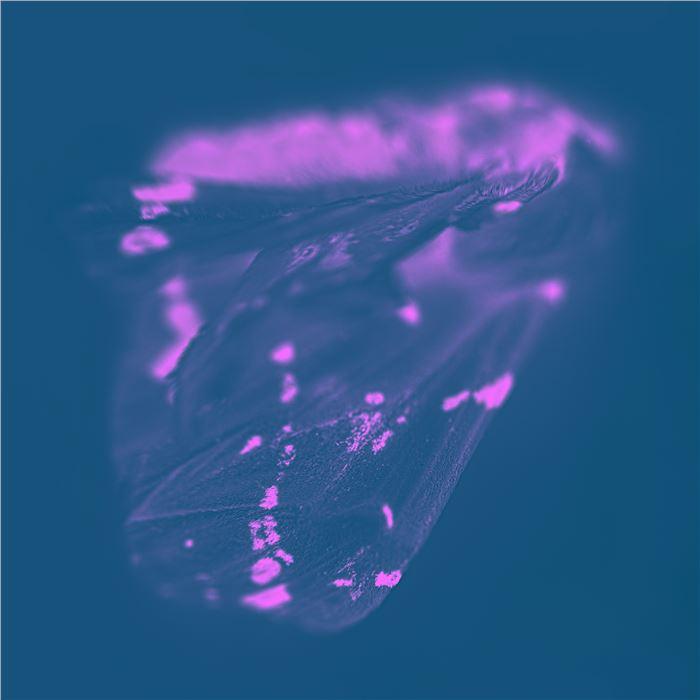
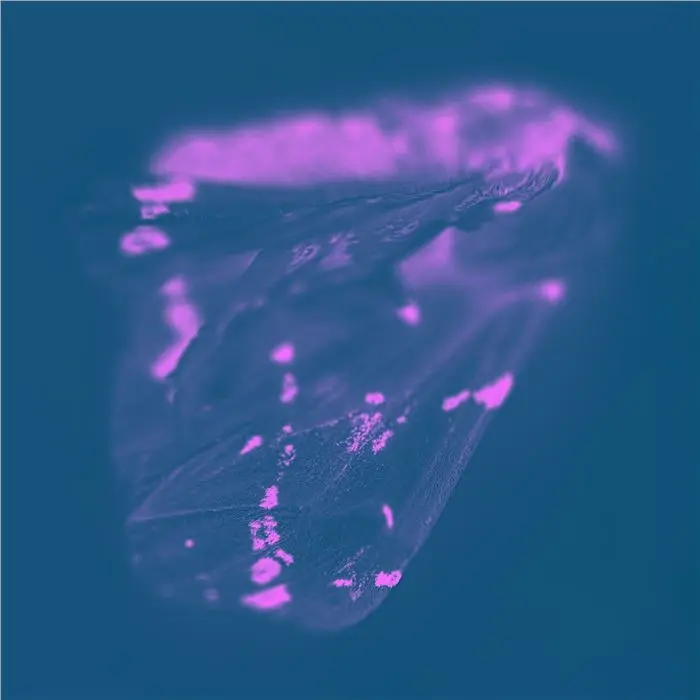
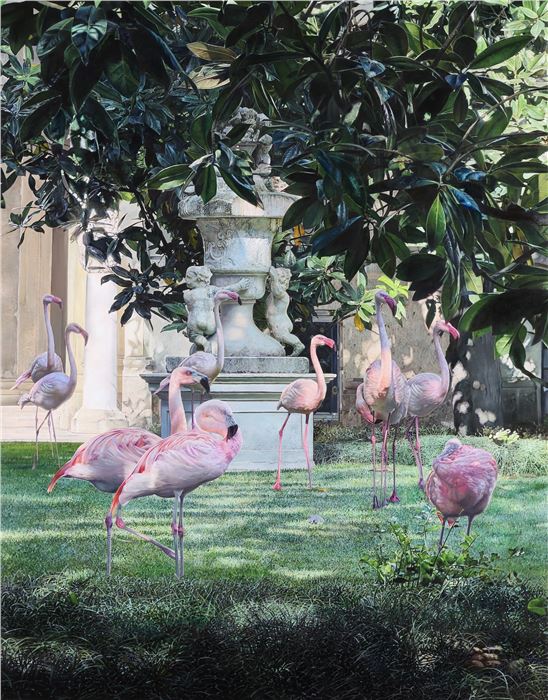
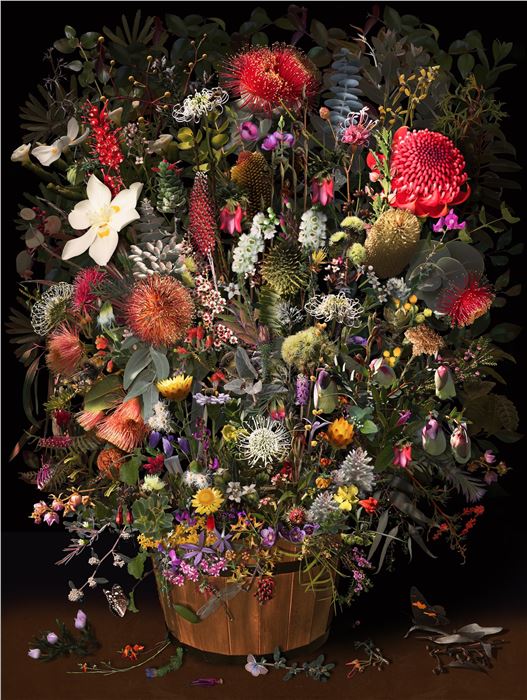
The fair also proved to be a vital platform for independent and emerging voices. First-time participant Marnya Rothe saw widespread interest from both local New South Wales collectors and those traveling from interstate. Her photographic work, Neon Dragon Loop, which utilizes neon tones to capture the movement of a tiger moth, resonated deeply with the fair’s audience. Meanwhile, the Photo Sydney sector provided a launching pad for artist Pamela Pauline. Her work, which reinterprets European still-life traditions through the lens of Australian ecology, resulted in immediate sales. The sell-out success of her editions, The Usual Subjects and Stillness, alongside multiple placements of Midnight Chorus, demonstrated that collectors are increasingly drawn to works that marry technical precision with thematic depth. Her masterwork, Fragile Flowers in a Wooden Vessel—a poignant composition incorporating 112 threatened Australian species—became a focal point for broader conversations regarding biodiversity and the intersection of beauty and ecological loss.
Sector-Specific Growth and Institutional Crossovers
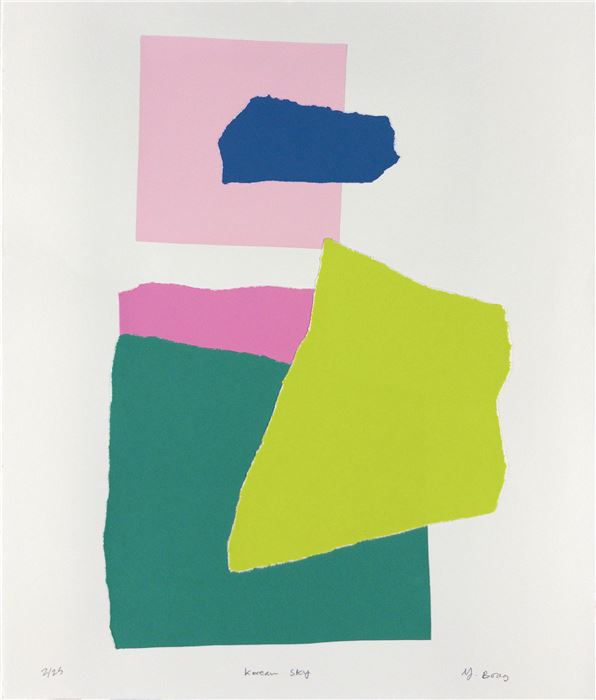
A notable development in this year’s fair was the increased activity from the commercial hospitality, interior design, and architecture sectors. Ryn Lim, head of operations at PARC Editions, identified a distinct surge in acquisitions from these professional circles. Lim noted a clear preference among Sydney-based buyers for large, pre-framed prints that command significant visual presence, contrasting slightly with the international preference for unframed works. The graphic intensity of works by Sydney artist Yvonne Boag garnered substantial acclaim, and PARC Editions noted that local visitors demonstrated a sophisticated understanding of contemporary printmaking, requiring little mediation regarding the value of limited editions.
The importance of physical, material-led practices as a counterbalance to the ubiquity of digital content was a recurring theme. Emily Parker, founder and director of PARKER Contemporary, reported that her gallery’s sales volume had doubled compared to their 2024 participation. Parker highlighted that collectors were specifically drawn to the tactile nature of works by Melissa J. Harvey and Matthew Hurdle, who utilize organic fibers to create handmade paper. The gallery also saw strong responses to Alethea Richter’s screenprints, which provide a critique of digital aesthetics, and the text-based works of Matthew Newkirk. For a Brisbane-based gallery, the fair remains an essential venue for building national visibility and executing a multi-channel strategy.
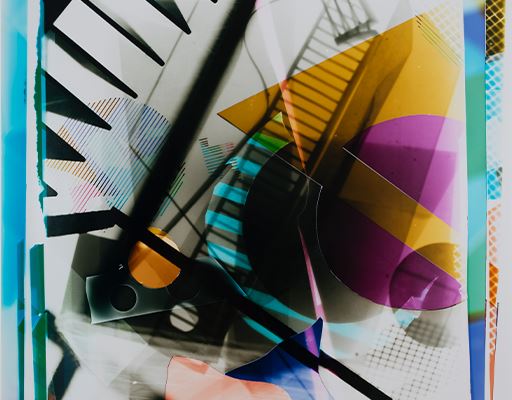
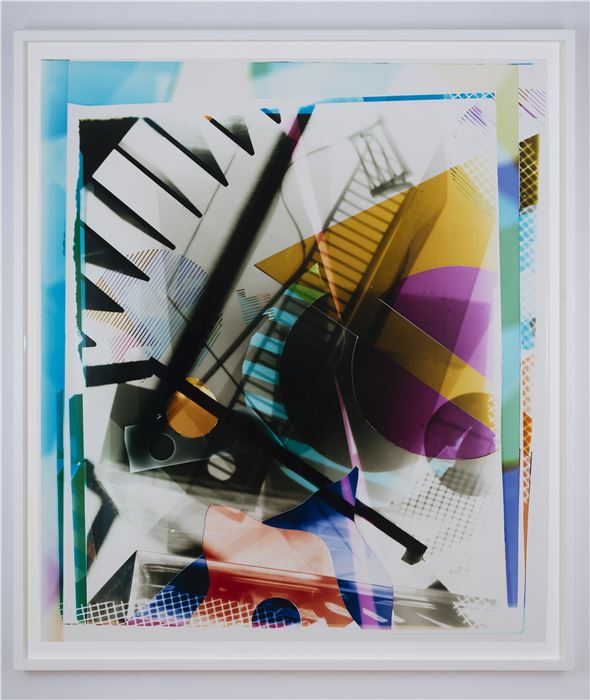
Photography also maintained a strong institutional presence. The Head On Photo Festival, led by founder Moshe Rosenzveig OAM, prioritized the cultivation of new collectors by offering works at accessible price points, featuring artists such as Geoffrey Goddard and Paula Bronstein. At photo access, curator Litia Roko reported significant institutional interest in Danica Chappell’s Shadow Shaping (Light-modulated-form #5), 2025. As the cover image for Art Collector Magazine’s Sydney Contemporary edition, the chromogenic photograph represented a highlight for the gallery, with its focus on the handmade, light-constructed nature of the medium drawing in a knowledgeable audience.
Sustained Momentum and Evolving Models
The top end of the market remained remarkably liquid, signaling confidence in established Australian masters. Jacob Hoerner Galleries reported major, high-value placements that underscored the robustness of the secondary and primary blue-chip sectors. The sale of Brett Weir’s triptych Cathedral for AUD$65,000 (approx. USD$42,250) on the second evening, followed by the closing-hour acquisition of Andrew Sibley’s 1979 triptych for AUD$110,000 (approx. USD$71,500), confirmed that collectors remain prepared to invest heavily in artists with proven, significant legacies.
N. Smith Gallery observed a similar trend; while the middle market necessitated a longer decision-making process, top-tier works moved with decisive speed. The placement of Natasha Walsh’s Garden of Earthly Delights for AUD$77,000 (approx. USD$50,050) served as a milestone for the artist, marking her firm transition into blue-chip recognition. Brenda Colahan Fine Art (BCFA) utilized the fair to celebrate its tenth anniversary, presenting a solo survey of Derek Ogbourne. The exhibition not only placed recent 2026 paintings but also attracted significant institutional interest for his broader, multi-year oeuvre.
The diversity of the market was further reflected at Martin Browne Contemporary, where Sales Director Tom Jamieson reported success across a range of mediums. Demand for vibrant color and tactile form was evident, with porcelain works by Ebony Russell—which caught the attention of the Governor-General of Australia—and glass sculptures by Jessica Murtagh performing exceptionally well.
At LON Gallery, director Adam Stone successfully maintained accessibility through a pricing model capped at AUD$20,000 (approx. USD$13,000), resulting in a near sell-out of Adrienne Gaha’s oil paintings. Meanwhile, CBD Gallery founder Xiaoxiao Zhang reported the gallery’s strongest performance in three years, noting that pre-fair sales of Talya Brookman’s large paintings to international clients in Europe and the United States set the tone for a highly successful event.
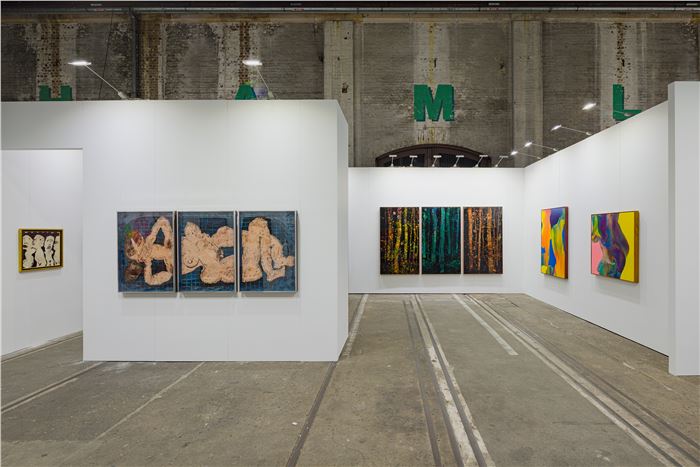
The tenth edition of Sydney Contemporary ultimately reveals a market that has matured into a state of structural agility. By integrating physical exhibitions with sustained digital relationships and focusing on works that offer archival depth and material authenticity, galleries have successfully navigated a period of economic caution. As the fair at Carriageworks continues to serve as a central cultural hub for the nation, the sustained commercial velocity across both accessible prints and six-figure masterworks confirms the underlying resilience of the Australian art market.