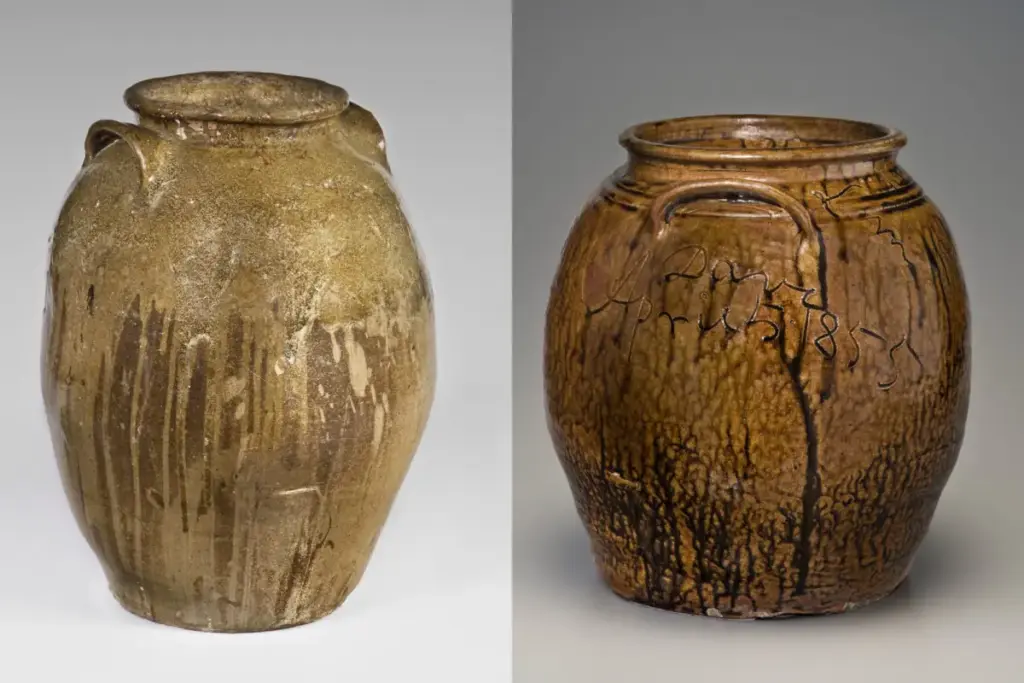
The Milwaukee Art Museum has officially returned two monumental 19th-century stoneware vessels crafted by the renowned enslaved ceramicist Dave, also known as David Drake, to his direct descendants. The historic ownership transfer is part of an agreement that not only restores legal ownership to the artist’s family but also ensures the precious artifacts will remain on long-term public display. The return of these hefty, highly sought-after jars follows closely behind a separate announcement from a Virginia museum regarding the return of another "Dave the Potter" vessel, marking a significant moment in the ongoing national movement to properly recognize and repatriate historical African-American art.
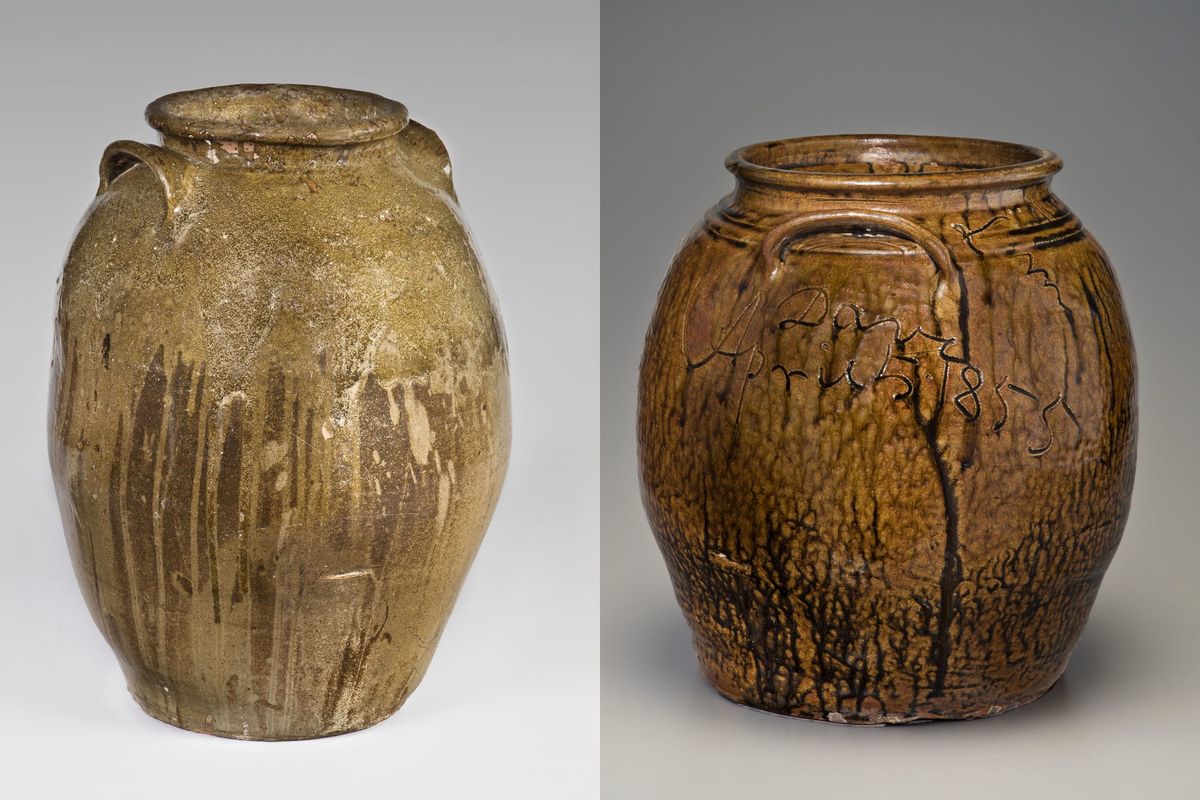
While the stoneware objects serve as extraordinary examples of ceramic mastery and technical skill from the antebellum American South, their historical significance extends far beyond their physical form. Drake famously inscribed his vessels with his signature, dates, and brief, often subversive poetic couplets during an era when the systematic criminalization of Black literacy made reading and writing an act of immense personal and political defiance.
For the descendants of the legendary artisan, the repatriation agreement represents a profound emotional and historical milestone. Yaba Baker, a fourth great-grandson of David Drake, expressed the family’s sentiments in a press statement regarding the successful transfer of ownership.
"For our family, this agreement is about more than the ownership of these two vessels," Baker said in the statement. "It is about recognizing David Drake as our ancestor whose voice, expertise, and creativity have endured for over 175 years."
Colloquially known as Dave the Potter, Drake was born into chattel slavery around 1801 on a plantation located in the Carolinas. While historical documentation detailing his early life remains sparse, surviving records indicate that during his late teenage years, Harvey Drake and Abner Landrum acquired him and brought him to work within their bustling pottery enterprise in Edgefield, South Carolina. During the 19th century, Edgefield served indisputably as the epicenter of commercial ceramic production in the American South, drawing on abundant local clay deposits and enslaved labor to manufacture massive quantities of utilitarian storage containers.
Within this grueling industrial environment, Drake distinguished himself through exceptional talent, eventually becoming a master potter renowned across the region for his ability to throw particularly large, structurally sound works that required immense physical strength and precise technical execution. More remarkably, Drake managed to surreptitiously learn how to read and write at great personal risk.
His education was undertaken against the backdrop of severe legal oppression. In the wake of historical slave uprisings and persistent fears of rebellion, South Carolina had instituted strict anti-literacy laws targeting both enslaved and free African Americans through the notorious Negro Act of 1740. Beyond prohibiting reading and writing, the sweeping legislation also forbade African Americans from earning their own independent money, assembling without white supervision, or traveling freely, backing these restrictions with harsh corporal punishment or even death.
Despite the omnipresent threat of brutal retaliation, Drake boldly exercised his personal agency. He routinely incised his name directly into the wet clay of his massive storage jars and utilized his hard-won literacy to author original rhyming couplets. These inscriptions transformed ordinary utilitarian objects—designed primarily for preserving pork, lard, and agricultural goods—into profound artistic statements and historical documents that subverted the dehumanizing intentions of the plantation economy.
The recent ownership transfer by the Milwaukee Art Museum highlights a broader cultural reckoning among American cultural institutions, many of which are actively reevaluating their collections to address historical injustices, provenance issues, and the marginalization of Black artists. By structuring the transfer as an agreement that simultaneously restores family lineage rights while keeping the masterworks accessible for public education, the institution has provided a model for ethical stewardship.
The momentum surrounding the preservation and recognition of David Drake’s legacy continues to ripple across the museum sector. Just days after the Milwaukee Art Museum finalized its agreement with the Drake descendants, a prominent museum in Virginia announced the return of yet another authentic "Dave the Potter" vessel, signaling a growing institutional commitment to honoring the descendants of enslaved artists and restoring historical truths to the forefront of American art history.