Establishing a solid, dependable base is widely regarded by builders and property owners as the single most critical factor in ensuring the longevity and structural integrity of an outdoor shed. Recognizing the potential complexities and confusion that property owners often face when planning backyard projects, Outdoor Living Today has rolled out a comprehensive advisory framework designed to streamline the process. Whether managed by a seasoned do-it-yourself enthusiast or a first-time home builder, the newly detailed guidance aims to remove the guesswork from creating a sturdy, level foundation tailored to various site conditions and project requirements.
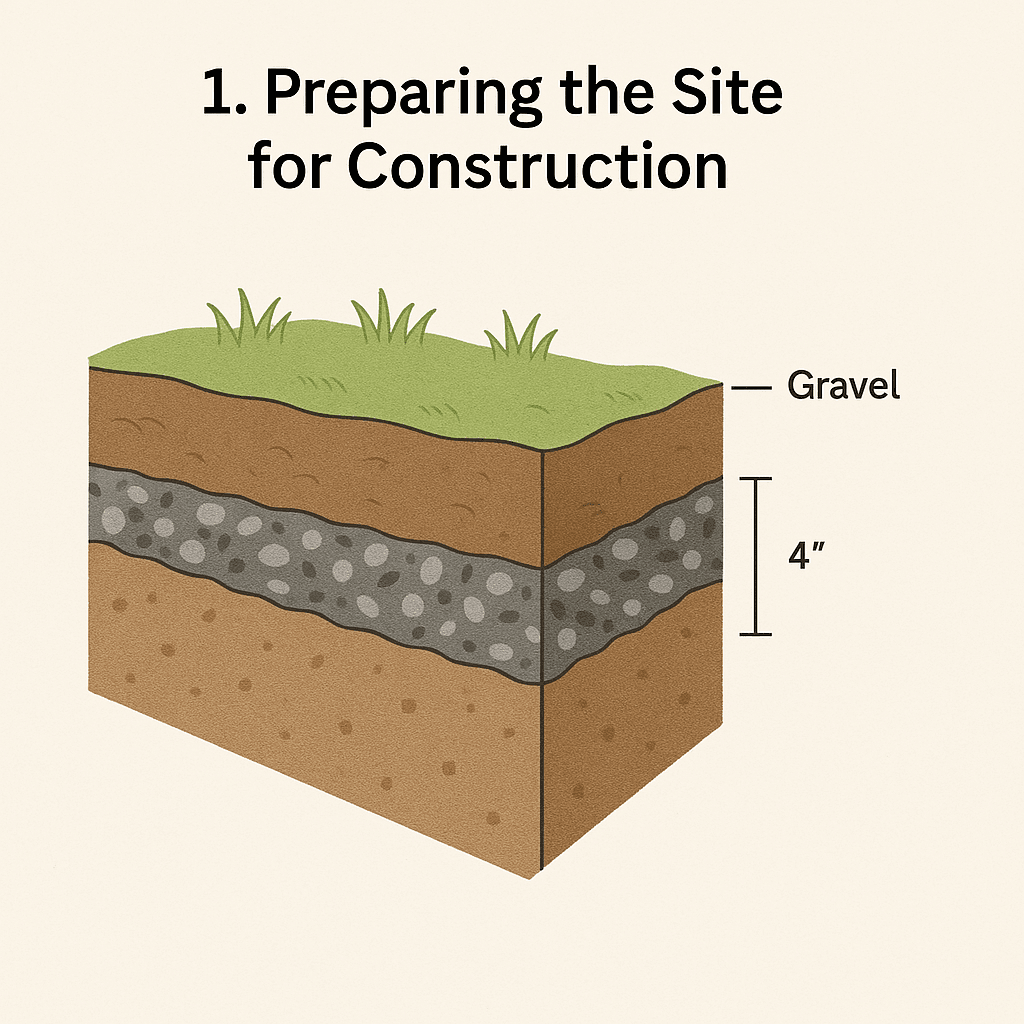
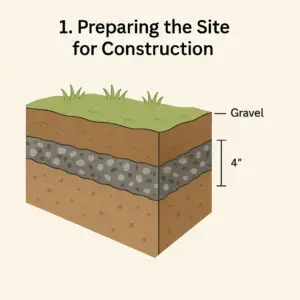
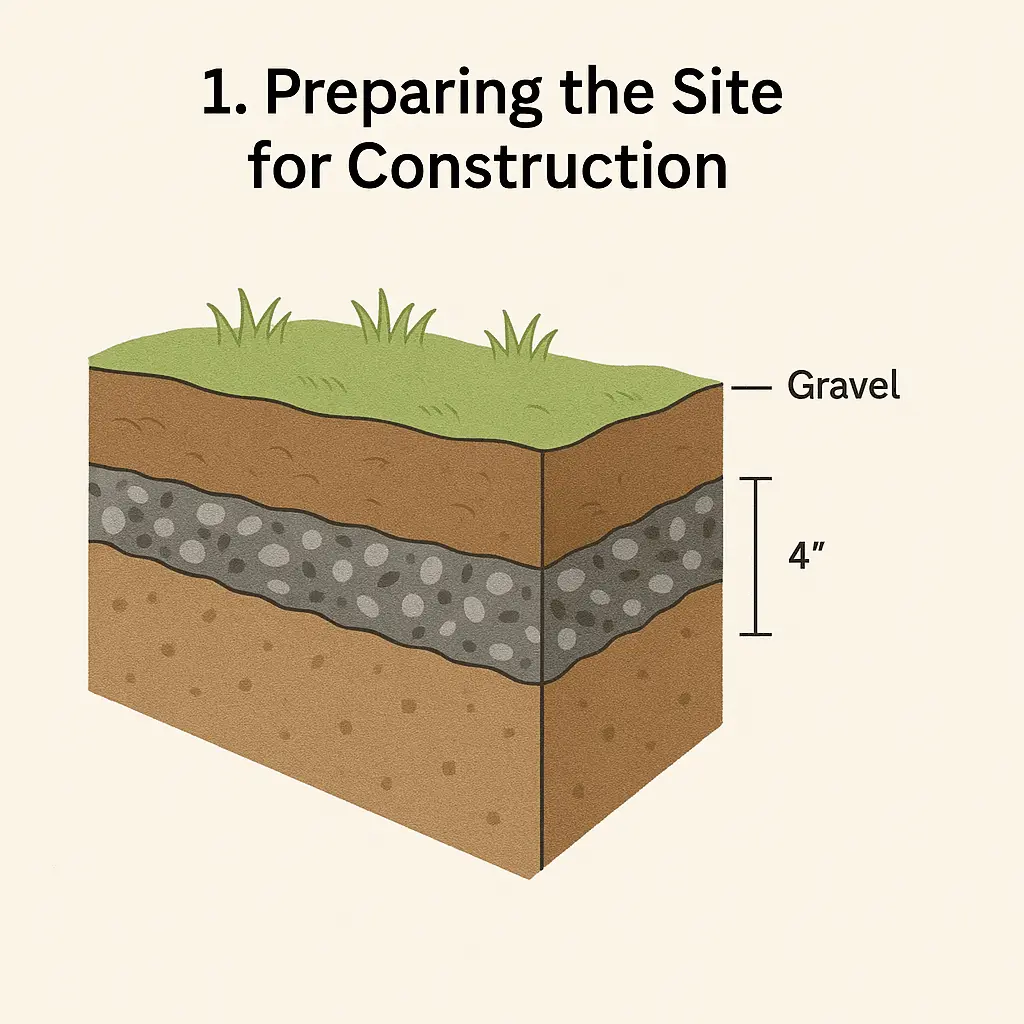
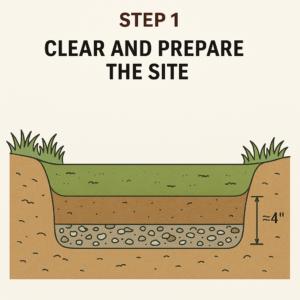
At the core of proper shed installation is meticulous site preparation before any construction kit arrives on the property. Industry professionals emphasize that a well-prepared site prevents future shifting, structural warping, and premature wear caused by uneven ground or moisture accumulation. The foundational phase begins with clearing the designated area of all vegetation, debris, topsoil, and organic matter that could decompose and settle over time. Once the organic layer is removed, builders are encouraged to level the earth thoroughly. A recommended practice during this initial phase involves laying down a heavy-duty landscape fabric before applying a layer of crushed gravel. This strategic addition serves a dual purpose: it acts as a reliable barrier against weed growth and helps stabilize the soil beneath the base, ensuring the entire structure remains even and secure across changing seasons.
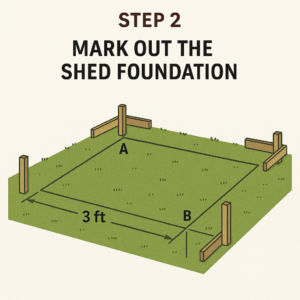
Following site clearance, precise measurements and squaring become the next imperative focus for installers. Accurately marking out the perimeter ensures that the shed framing will fit together seamlessly without structural tension or misalignment. Achieving a true square can sometimes pose a challenge for builders working independently, prompting recommendations to utilize modern measuring tools, digital applications, or online right-angle calculators that factor in specific shed dimensions to verify diagonal measurements. Ensuring accurate right angles at this stage prevents compounding errors during the assembly of walls and roofs later in the building cycle.
Once the perimeter is accurately marked and squared, builders must select the specific foundation type that best aligns with their property layout, budget, and durability preferences. Outdoor Living Today highlights three distinct foundation options, each offering unique advantages for residential and commercial outdoor spaces.
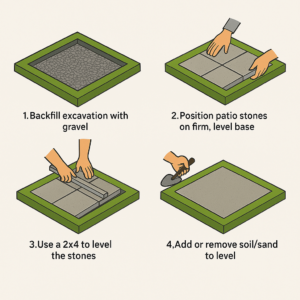
The first option is the patio stone foundation, which appeals to many property owners due to its simplicity and cost-effectiveness. Patio stones provide a solid, even surface that is quick to install and relatively forgiving. If site conditions change or if the structure needs to be relocated in the future, a patio stone base is exceptionally easy to adjust or dismantle without heavy excavation equipment.
For those seeking an elevated timber solution, the four-by-four pressure-treated beam foundation offers robust structural support. This method involves laying treated wooden beams across a leveled gravel or stone bed to support the shed floor framing. One of the primary benefits of this configuration is the creation of natural clearance beneath the structure. This underlying space promotes continuous air circulation, which helps manage moisture levels and significantly reduces the risk of wood rot over the lifespan of the timber components.
For maximum longevity and heavy-duty performance, a concrete slab foundation remains the gold standard. Pouring a reinforced concrete pad delivers unbeatable durability, structural stability, and superior pest resistance. As a permanent installation, a concrete slab is particularly well-suited for larger structures, workshops, or sheds that will house heavy machinery and equipment. While more labor-intensive and permanent than gravel or timber alternatives, a concrete base offers peace of mind against ground shifting and burrowing pests.
While these general best practices provide a reliable roadmap for most outdoor construction projects, industry experts remind builders that individual product designs may feature unique engineering requirements. Because structural loads and anchoring specifications can vary between different models, property owners are advised to consult the specific product assembly manuals included with their kits. By pairing these comprehensive foundation strategies with manufacturer guidelines, builders can ensure a smooth assembly process and a secure, long-lasting addition to their outdoor living space.