Outdoor timber structures add warmth, architectural elegance, and long-lasting utility to residential and commercial properties alike. However, their beauty and structural integrity remain intact only when they are properly shielded from the relentless pressures of moisture, invasive insects, and environmental weathering. Whether property owners are maintaining a backyard storage shed, an architectural pergola, a horticultural greenhouse, or a raised garden bed, understanding the biological causes of wood decay and learning how to mitigate environmental damage can dramatically extend the life of these capital investments.
The fundamentals of timber longevity begin long before a structure is assembled. Industry professionals and building experts emphasize that material selection is the single most critical decision in outdoor construction. While various softwoods and hardwoods are utilized for exterior carpentry, natural durability varies drastically between species. For decades, builders have sought materials that offer a high return on investment through longevity and minimal upkeep, leading many to favor distinct regional timbers that possess built-in chemical defenses against the elements.
What Causes Wood Decay and Degradation?
To understand how to protect timber, property owners must first examine the biological and environmental mechanisms that cause it to fail. Wood decay is fundamentally driven by specialized fungi that break down the complex cellular structure of timber. For these destructive organisms to colonize, germinate, and thrive, they require a specific combination of elements: an adequate moisture supply, ambient oxygen, moderate temperatures, and a viable food source, which is provided by the cellulose and lignin within the wood itself.
Once decay fungi become active within timber, they systematically weaken the internal wood fibers. This biological breakdown manifests through visible color changes, a soft or spongy texture upon touch, and extensive structural cracking, checking, and overall instability. Left unchecked, fungal decay compromises the load-bearing capacity of outdoor structures, rendering them unsafe and requiring costly repairs or total replacement.
Beyond biological decay, wood degradation encompasses a broad range of non-fungal environmental stresses. Ultraviolet radiation from the sun breaks down surface lignin, leading to discoloration and surface fiber erosion. Continuous weathering from rain, wind, and temperature fluctuations accelerates normal wear and tear. Furthermore, wood-boring insects and fire hazards present continuous threats to unprotected timber. Together, these compounding elements accelerate the deterioration process and significantly reduce the operational lifespan of any outdoor installation.
Why Western Red Cedar Holds Up Better
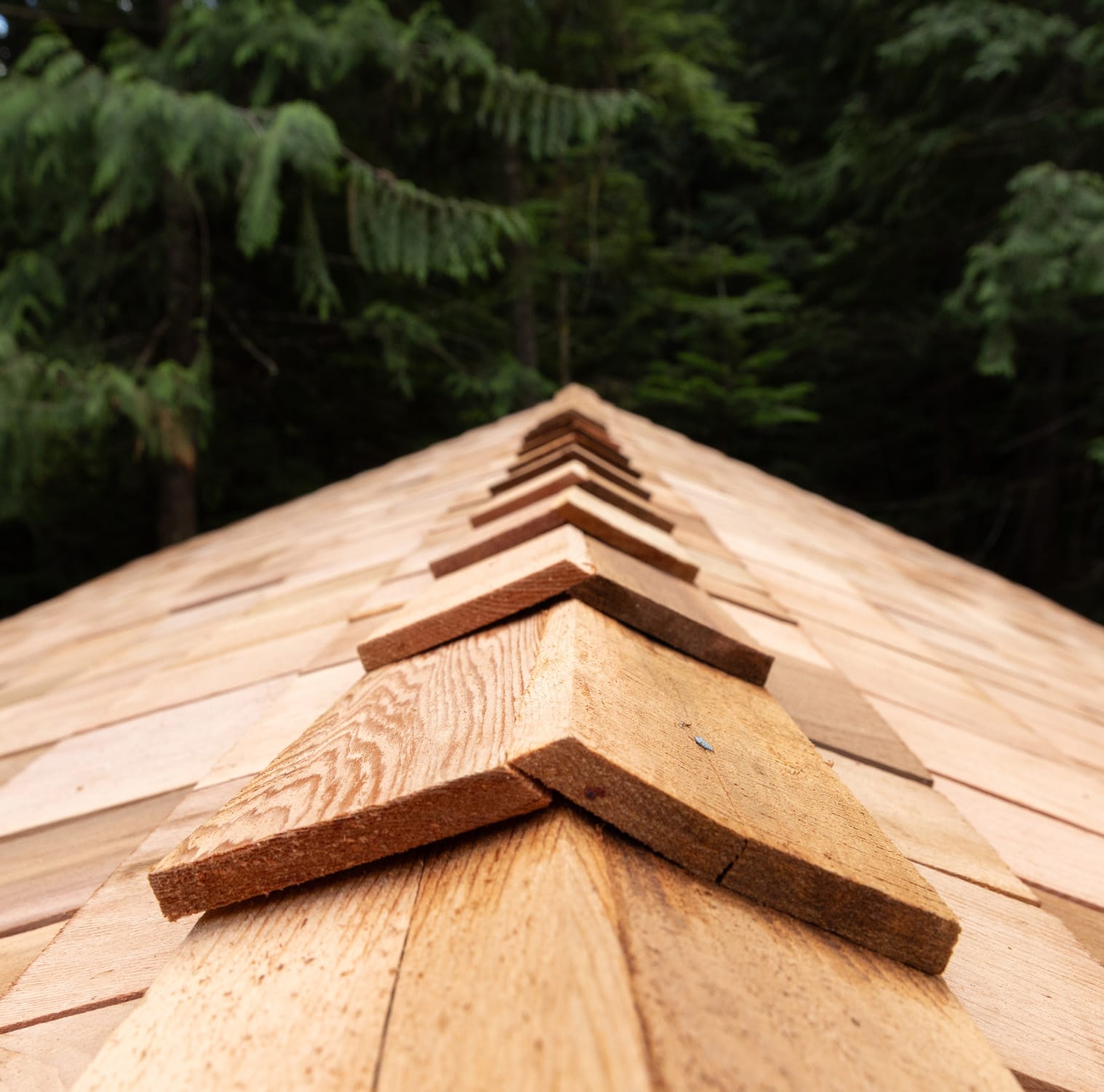
In the realm of outdoor construction materials, Western Red Cedar (Thuja plicata) consistently emerges as a top-performing option. Its superior performance in exterior environments is rooted in its unique natural chemistry. Unlike many conventional softwoods, Western Red Cedar naturally produces organic compounds known as thujaplicins and other water-soluble extractives. These natural substances act as powerful, built-in preservatives that render the wood toxic to decay-causing fungi and unappealing to wood-boring insects.
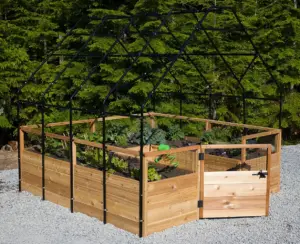
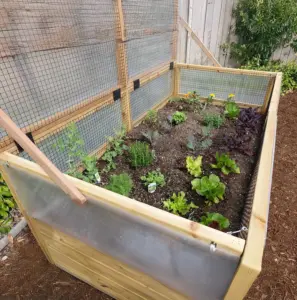
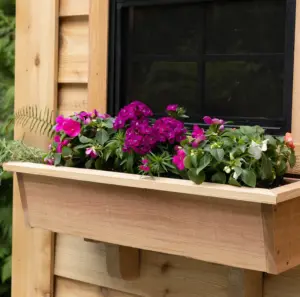
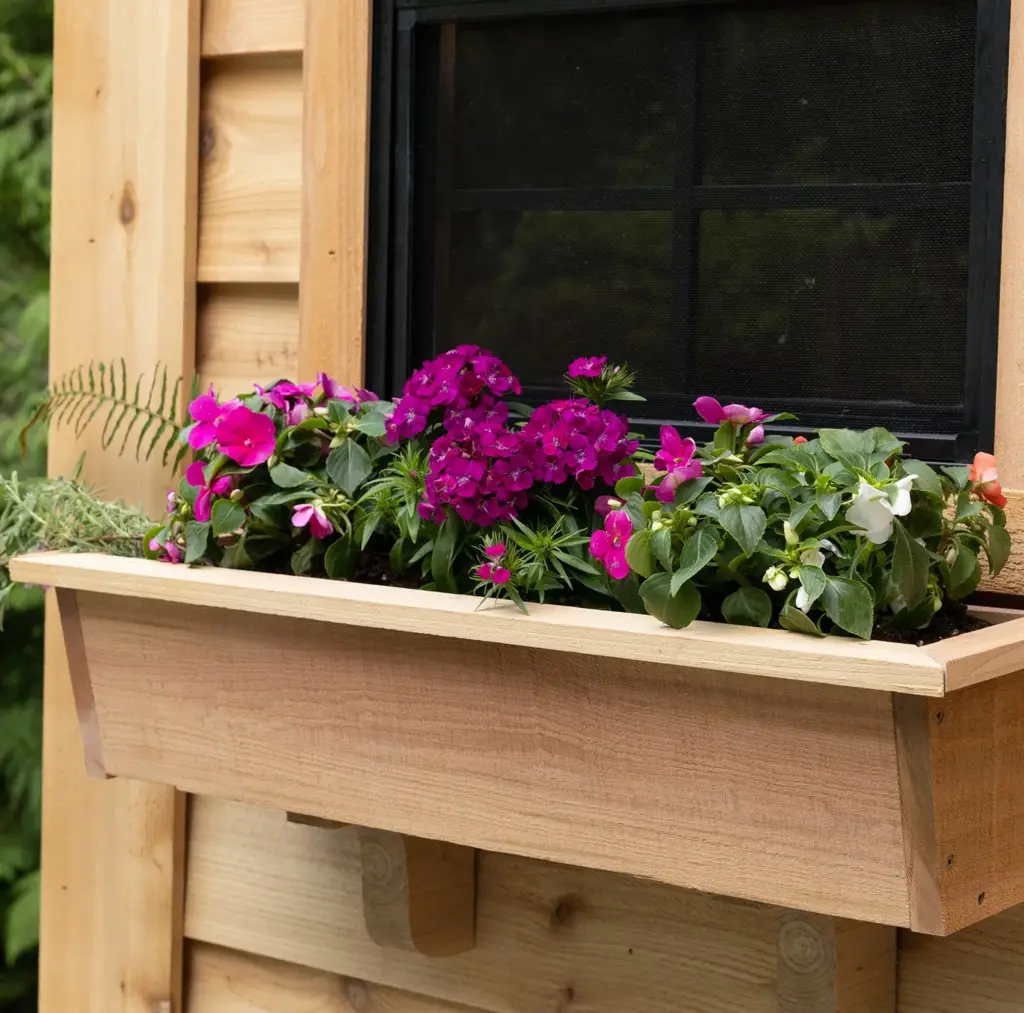
Because of this inherent natural durability, cedar has become the material of choice for a wide array of outdoor structures, including specialized sheds, architectural pergolas, hobby greenhouses, raised garden beds, children’s playhouses, and custom patio furniture. For property owners seeking a balance between long-term structural longevity and minimal ongoing maintenance, Western Red Cedar provides a reliable foundation that performs exceptionally well without relying exclusively on heavy chemical treatments.
How to Prevent Wood Decay in Outdoor Structures
Protecting outdoor timber requires a proactive approach focused on material selection, environmental management, and appropriate surface treatments. While starting with a naturally durable species like Western Red Cedar provides an exceptional long-term solution by resisting decay without heavy chemical preservatives, other materials require additional safeguards. Pressure-treated lumber, for instance, offers a degree of protection against insects and rot through chemical infusion, but moisture control remains vital for all wood types because chemical preservatives alone cannot completely stop water absorption.
Managing moisture exposure is perhaps the most critical practice in timber preservation, as water is the primary catalyst for both fungal decay and dimensional instability. Effective moisture control involves ensuring adequate site drainage, elevating structures off damp ground, promoting cross-ventilation around enclosed buildings like sheds, and promptly clearing away accumulated debris, leaves, and wet soil that trap humidity against wooden surfaces. By systematically reducing moisture accumulation, property owners can dramatically suppress fungal activity and prolong the service life of their structures.
When early signs of rot or surface degradation do appear, prompt intervention is essential to prevent the damage from spreading into healthy adjacent components. Removing affected sections, treating the surrounding area, and sealing the exposed wood stops fungal spores from migrating further into the structural framework.
Choosing the Right Finishes for Outdoor Wood
Applying protective coatings is another effective strategy for preserving outdoor timber, provided the correct finish is selected for the specific application and environment. Opaque paints offer robust weather protection due to their high pigment content, which shields the underlying wood fibers from damaging ultraviolet radiation. These finishes are ideally applied in a controlled factory setting to achieve a smooth, uniform, and long-lasting coat, though onsite painting can also be performed with careful surface preparation.
For those who prefer to showcase the natural grain and texture of the wood, clear varnishes and unpigmented oils offer a traditional aesthetic. However, these clear finishes generally provide mild overall protection and low resistance to UV radiation, requiring frequent reapplication to maintain their protective qualities. Boiled linseed oil is also commonly utilized by craftsmen to seal wood pores and slow down degradation, though it must be applied with care and monitored over time.
Wood stains represent a popular middle-ground option for property owners seeking a balance between aesthetic appeal and structural durability. Stains penetrate the wood fibers while offering good protection against moisture and moderate UV exposure, making them particularly suitable for sheds, garden beds, and outdoor furniture. Translucent coatings provide yet another alternative, forming a protective, paint-like film that still allows the natural wood grain to remain visible. These coatings require periodic reapplication depending on the local climate to keep high-visibility cedar products fully protected and visually appealing.
Ultimately, the longevity of any outdoor timber structure depends heavily on an informed approach to material selection, environmental management, and routine maintenance. By investing in durable species like Western Red Cedar and applying appropriate protective measures tailored to local environmental conditions, property owners can ensure that their outdoor living spaces remain functional, beautiful, and structurally sound for decades to come.