For many gardeners, the annual growing season feels frustratingly brief. Spring often arrives notoriously late, fall creeps in early, and volatile, unpredictable weather—ranging from torrential downpours to surprise late-season frosts—can easily derail even the most meticulously planned backyard garden. When combined with stubborn pests, challenging native soil conditions, or simply limited outdoor space, it becomes entirely understandable why an increasing number of horticulture enthusiasts are shifting their focus toward backyard greenhouses.
Rather than remaining at the mercy of Mother Nature, a properly managed greenhouse establishes a controlled micro-environment. This specialized space empowers growers to cultivate significantly healthier plants, experiment with exotic or delicate new varieties, and extend their productive growing season well beyond the limits of traditional outdoor gardening. Whether an enthusiast is nurturing fragile spring seedlings, growing heat-loving summer crops well into the colder months, or maintaining a steady supply of fresh, year-round culinary herbs, incorporating the right structure can transform the entire cultivation experience.
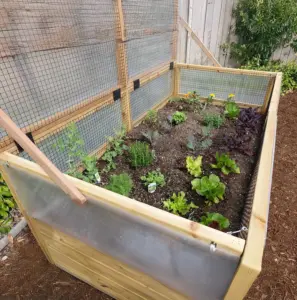
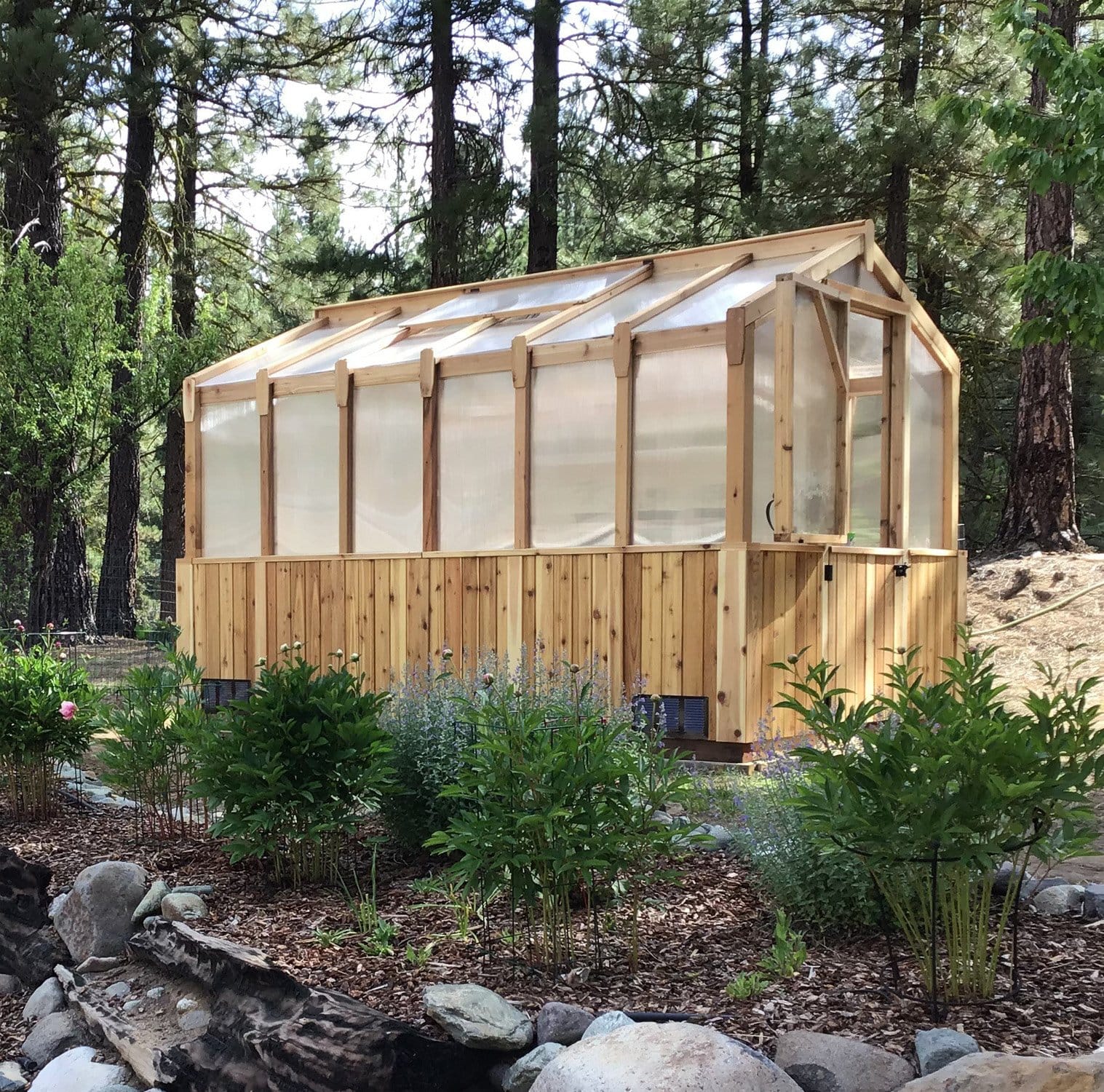
Industry manufacturers are taking note of this surging demand, offering solutions that merge ecological responsibility with aesthetic appeal. Structures like Outdoor Living Today’s Western Red Cedar greenhouses blend sustainability, expert craftsmanship, and intelligent architectural design, helping home gardeners establish thriving plant habitats designed to endure for years. Preparing for this transition, however, requires careful consideration of various environmental factors, ranging from structural style and site placement to climate regulation, soil composition, water management, and overall plant health.
Selecting the Right Greenhouse
Before planting a single seed, prospective greenhouse owners must carefully evaluate their specific cultivation goals, available yard space, budgetary parameters, and the physiological needs of the crops they intend to grow. Selecting an appropriate structure ensures that it integrates harmoniously into the landscape while providing the precise temperature, humidity, and light thresholds required for optimal plant development.
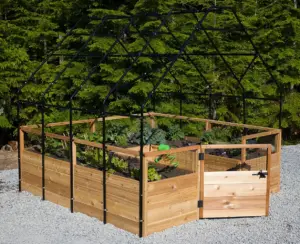
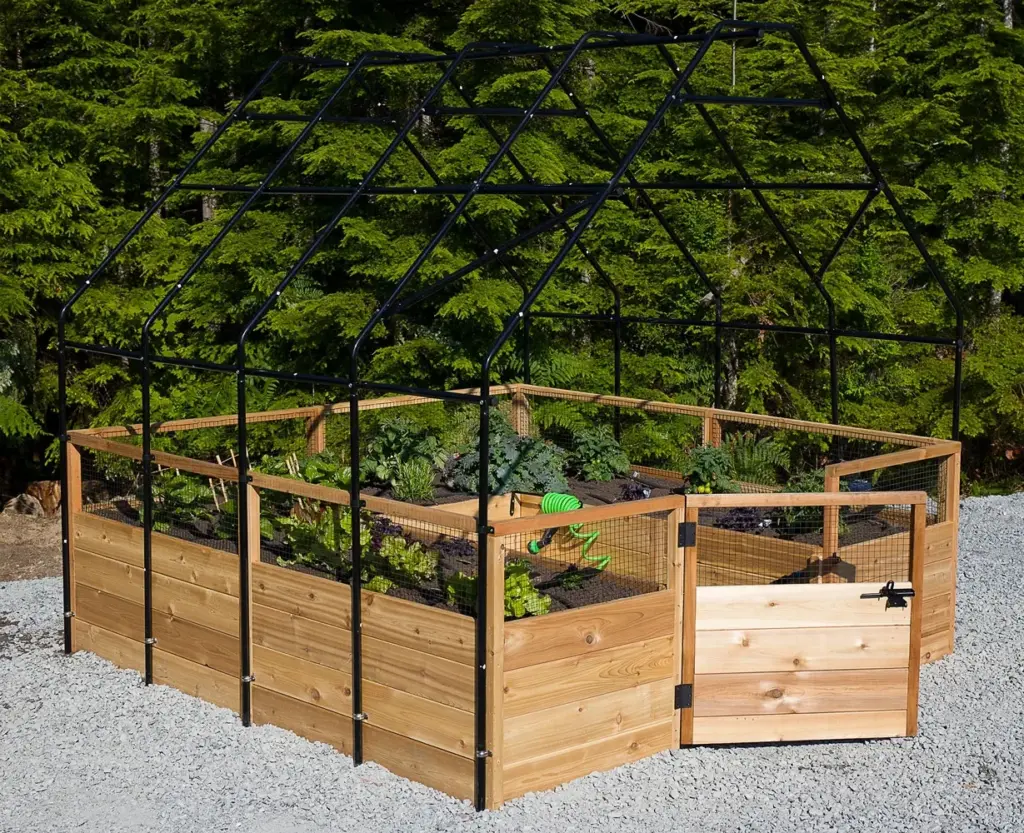
Manufacturers cater to these varied requirements by offering a diverse spectrum of dimensions. Options such as the 8×8, 8×12, 12×12, and 12×16 Western Red Cedar Greenhouses, alongside specialized SunShed models, deliver structural durability, innate natural insulation, and enduring architectural beauty. Choosing the correct footprint allows growers to scale their operations appropriately, accommodating everything from modest hobby setups to expansive botanical collections.
Site Selection and Preparation
Choosing where to erect a greenhouse is just as critical as selecting the model itself. The chosen location directly influences how much ambient light the interior receives, how efficiently the structure traps warmth during colder months, and how easily a gardener can manage daily maintenance tasks throughout the year.
Ideal site placement requires maximizing daily sunlight exposure, meaning structures are ideally positioned with a southern orientation to capture maximum winter light. Gardeners must also clear away surrounding obstacles, such as low-hanging tree branches, dense debris, or nearby structures that might cast unwanted shadows across the glass or panels.
Furthermore, establishing a level foundation is paramount to preventing uneven structural settling and preserving long-term durability. Left unaddressed, shifting ground can compromise door frames and panel seals. Alongside a solid base, installing a reliable weed barrier is essential to prevent invasive plants from creeping upward into the greenhouse floor and competing with cultivated crops.
Sustainability: Why Cedar Makes a Difference
As environmental consciousness increasingly guides consumer decisions, the materials used to construct garden structures face heightened scrutiny. Western Red Cedar stands out as one of the most sustainable greenhouse construction materials currently available on the market. Harvested primarily from responsibly managed, renewable forests in Canada and the United States, cedar boasts a remarkably low environmental impact when compared to synthetic alternatives or heavily chemically treated lumber.
The wood possesses inherent properties that make it uniquely suited for horticultural environments. Cedar is naturally rot-resistant, deriving its defensive capabilities from natural oils embedded within the grain, which eliminates the need for toxic chemical preservatives. Additionally, the material offers a remarkably long lifespan outdoors, directly minimizing the replacement waste associated with less durable building supplies. Because of its low density, cedar exhibits minimal movement when subjected to fluctuating temperatures and humidity levels, maintaining its structural integrity while retaining a smaller environmental footprint during processing than many competing materials.
According to forestry researchers from academic institutions such as Cornell University, responsibly managed cedar forests help ensure long-term ecological stability through controlled harvesting protocols and active forest regeneration programs.
Climate Control and Ventilation
Maintaining balanced temperatures and consistent airflow represents one of the most vital components of successful greenhouse management. Without adequate ventilation, trapped solar heat and rising humidity can quickly accumulate, placing severe stress on plants, inviting destructive pests, and encouraging the proliferation of fungal pathogens.
Modern greenhouse designs incorporate structural elements to mitigate these risks naturally. Outdoor Living Today’s cedar greenhouses utilize adjustable roof vents, enabling gardeners to regulate interior temperatures efficiently without relying entirely on mechanized cooling systems. By allowing hot air to escape upward while drawing cooler fresh air in through lower intakes, these ventilation systems help maintain an equilibrium crucial for delicate flora.
Irrigation and Water Management
While greenhouse cultivation shields plants from the unpredictability of rainfall, it introduces unique moisture management challenges. Plants housed within a controlled environment frequently require more consistent and monitored hydration than their outdoor counterparts. Conversely, overwatering remains an ever-present danger, frequently triggering root rot, persistent fungal issues, and the leaching of essential nutrients from the soil.
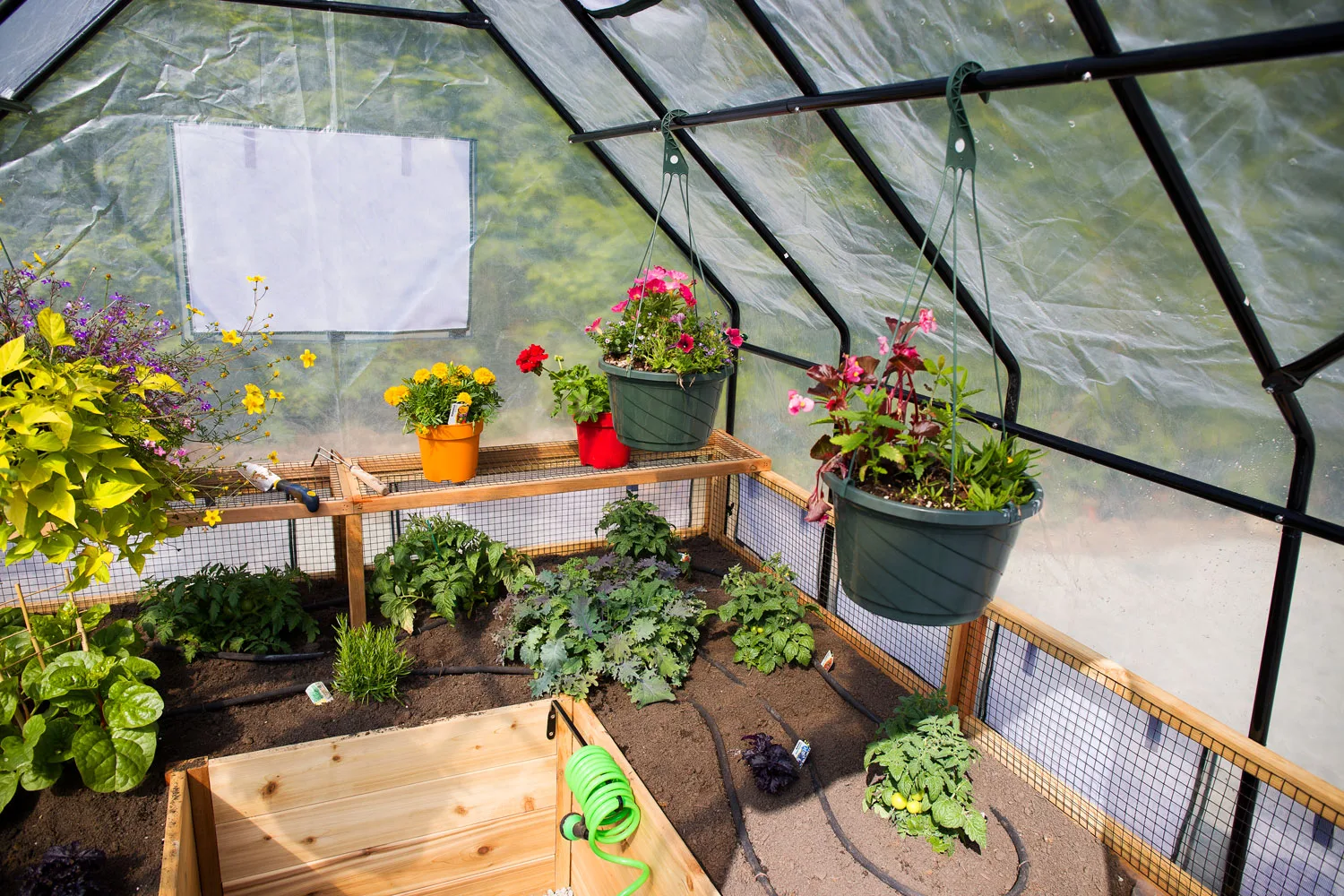
Best practices for greenhouse watering emphasize precision and sustainability. Horticulturalists often employ specialized misting nozzles to deliver gentle, targeted moisture, which is particularly beneficial for humidity-loving seedlings and young propagations. Many growers also integrate rainwater collection systems, such as specialized barrel kits attached to the greenhouse gutters, to secure a sustainable, chemical-free source of irrigation water. Ensuring proper structural drainage is equally vital to prevent standing water and persistent soil saturation beneath benches and walkways.
According to industry data compiled by agricultural technology analysts, enclosed greenhouse structures can significantly reduce overall water consumption compared to traditional open-air farming, largely due to controlled delivery systems and drastically reduced surface evaporation.
Soil and Plant Selection
The success of any greenhouse endeavor relies heavily on the quality of the growing medium and the appropriateness of the flora selected for the environment. While the enclosed space grants growers unprecedented control over growth rates, it demands that soil preparation and plant choices remain deeply intentional.
Gardeners typically utilize high-quality, well-draining soil mixes heavily enriched with organic matter to support intensive growth. Periodic testing of soil pH and nutrient levels helps maintain optimal chemical conditions, while the incorporation of materials like perlite and compost ensures the medium retains sufficient aeration and structural integrity to support expanding root systems.
When it comes to crop selection, greenhouses accommodate a wide variety of species. Popular choices include culinary herbs, leafy greens, warm-weather crops like tomatoes, peppers, and cucumbers, as well as citrus trees and specialty cut flowers. Many growers prefer to start seeds indoors within dedicated trays, transplanting the young specimens into the greenhouse beds only after their root systems have fully established. Alternatively, acquiring healthy nursery plants and gradually acclimating them to the unique interior climate yields faster results for eager gardeners.
By thoughtfully incorporating a well-prepared greenhouse into their daily routines, enthusiasts can effectively dismantle the barriers imposed by seasonal shifts. Combining a durable cedar structure with proper site planning, effective irrigation, balanced soil management, and attentive climate control turns any backyard into a productive botanical sanctuary capable of flourishing through every season of the year.