For Paris Design Week 2026, a collaborative team of four Latvian designers and artists has partnered with Kalve Coffee to present Found Associations, an ambitious project that reimagines the contemporary café as a small-scale material ecosystem. By examining the everyday consumption habits that drive the hospitality industry, the project positions the routine waste generated by a coffee shop not as a burden, but as the foundational starting point for an entirely new form of local production. Blending advanced biodesign methodologies with the foundational principles of a circular economy, the installation establishes a connected chain of material experiments that transforms a working café into both a material source and a biological laboratory.
At the heart of the project are three distinct substances generated through the daily operations of Kalve Coffee: used coffee grounds, dirty wastewater, and excess foamed milk. Rather than being discarded into municipal waste streams, these by-products are channeled through a carefully orchestrated sequence of treatment, refinement, and production stages. In this closed-loop system, the output of one individual experiment seamlessly becomes the input for the next, forging a continuous production chain where everyday substances continuously shift in both physical function and aesthetic form.
A Continuous Material Chain Linking Consumption and Production
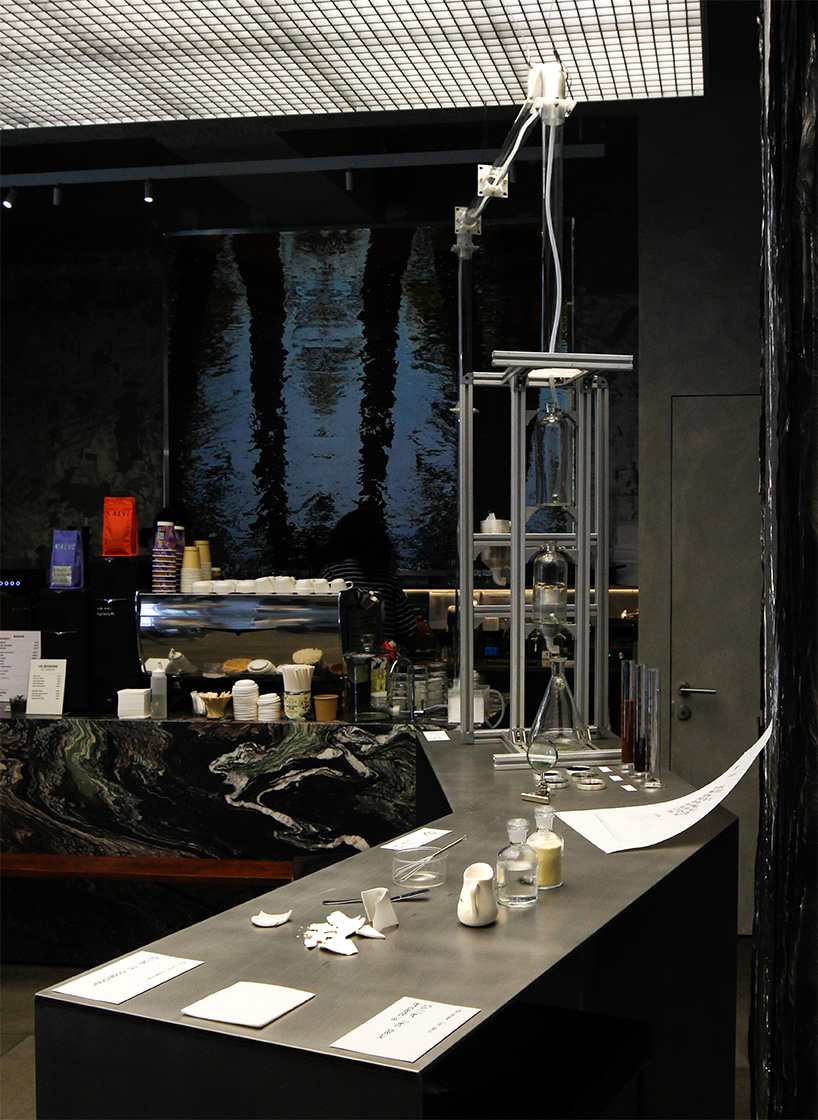
The foundational stage of this interconnected material ecosystem begins with a sophisticated water filtration system developed by designer Mārtiņš Mežulis. Discarded coffee grounds collected from the daily rush are first transformed through pyrolysis into biochar, a process executed in collaboration with CharcoTec. To enhance its porous structure and filtering capabilities, the resulting biochar is subsequently treated with high-temperature steam, a refinement process aided by Yang Liu from the Eindhoven University of Technology.
The resulting activated carbon is then put to the test as a biological medium for filtering dirty wastewater harvested directly from the excess water reservoir of a commercial espresso machine. By repurposing what would normally be discarded down the drain, this initial filtration step proves that the waste of one machine can directly service the operational needs of another.
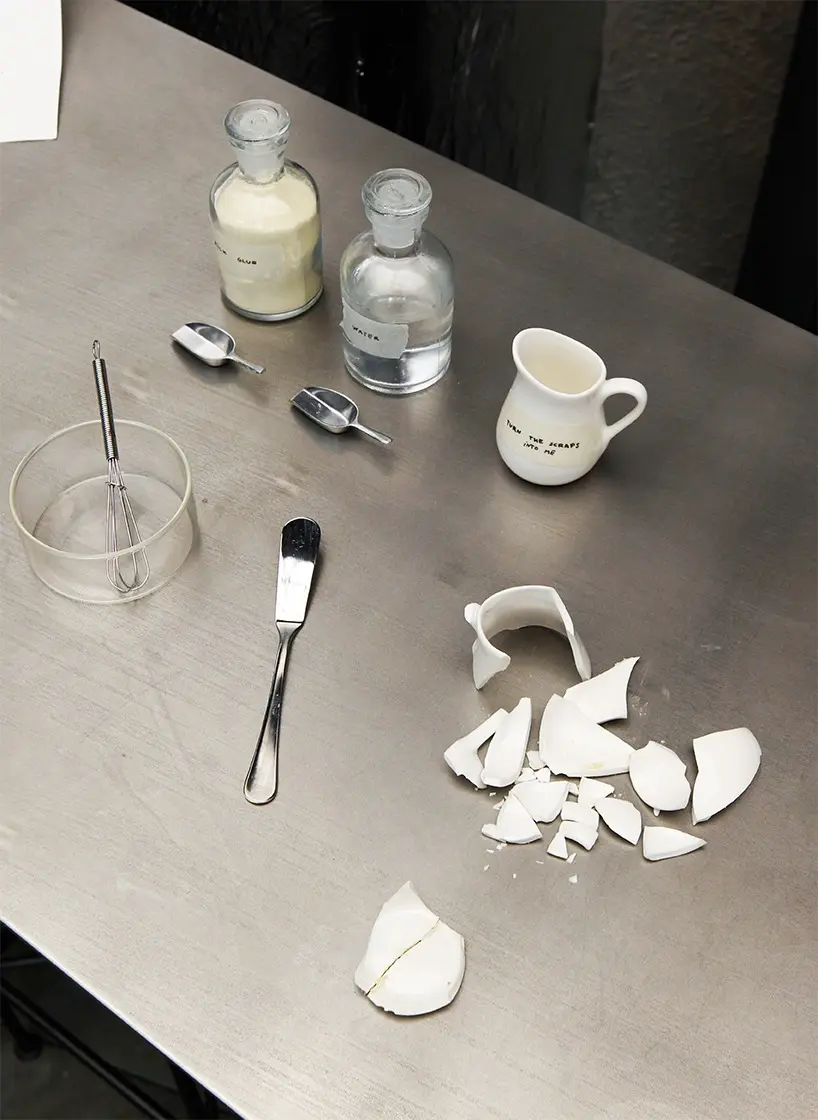
A portion of the water purified through this coffee-based carbon system is subsequently funneled into the installation’s next stage: the creation of Milk Glue, spearheaded by Katrīna Tīna Smilga. In this process, leftover foamed milk—a ubiquitous daily waste product in any specialty coffee shop—is subjected to controlled heating and acidification. This chemical manipulation causes the dairy proteins to separate into distinct curds and whey water.
Once separated, the curds are carefully collected, dehydrated, and milled into a fine, workable powder. The resulting substance possesses natural adhesive qualities, effectively mimicking the performance of commercial, synthetic glues without relying on petrochemical inputs.
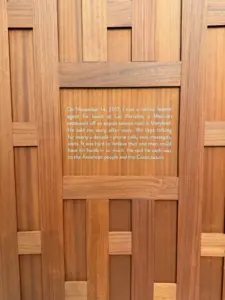
The material chain takes its next physical form through the work of Līva Sakārne, who combines dried and used coffee grounds with the newly formulated milk glue and a measured amount of the previously filtered wastewater. This mixture yields a highly versatile, moldable biomaterial. Pressed firmly into custom-designed wooden molds, the compound cures into durable, organic-shaped takeaway and drink-in coffee trays.
What makes Found Associations particularly compelling is its integration into real-world utility: during the exhibition, these experimental trays are actively integrated into Kalve Coffee’s daily service routine, replacing conventional single-use or heavy plastic trays used by everyday customers. This direct intervention brings the material experiment out of the gallery space and squarely into the bustling reality of commercial hospitality.
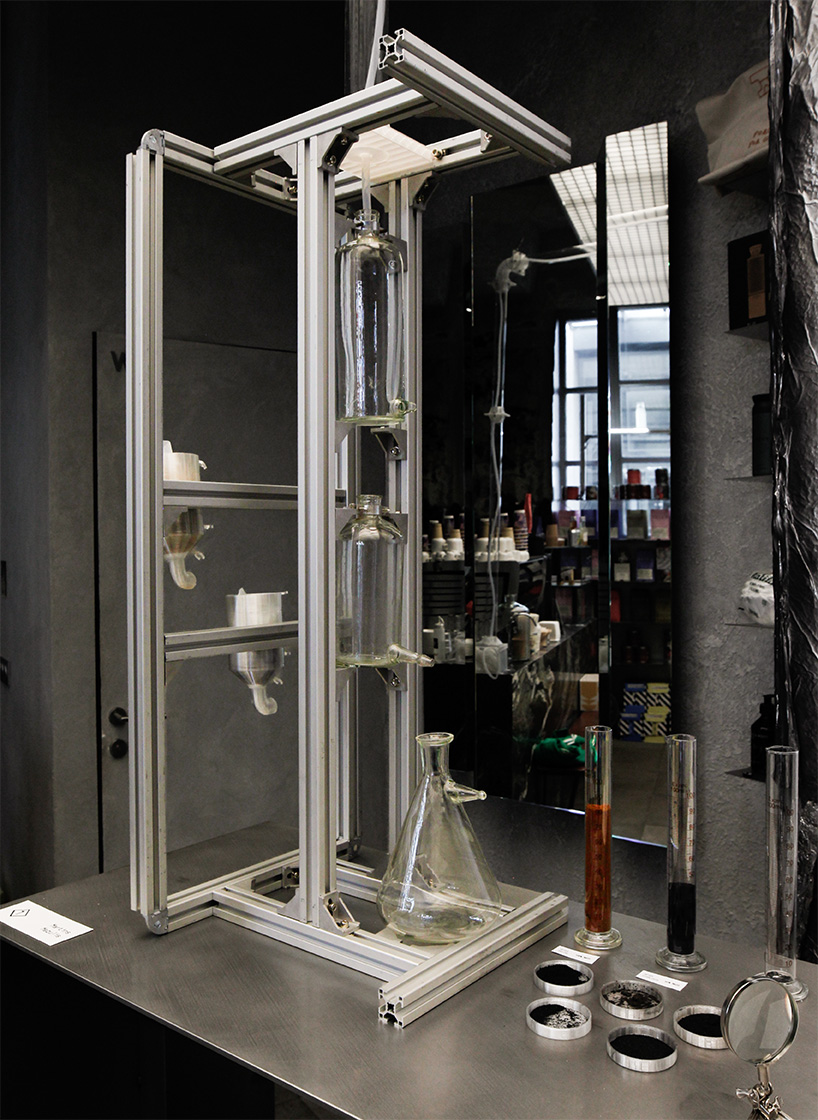
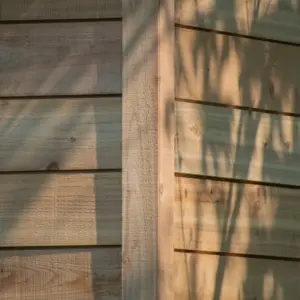
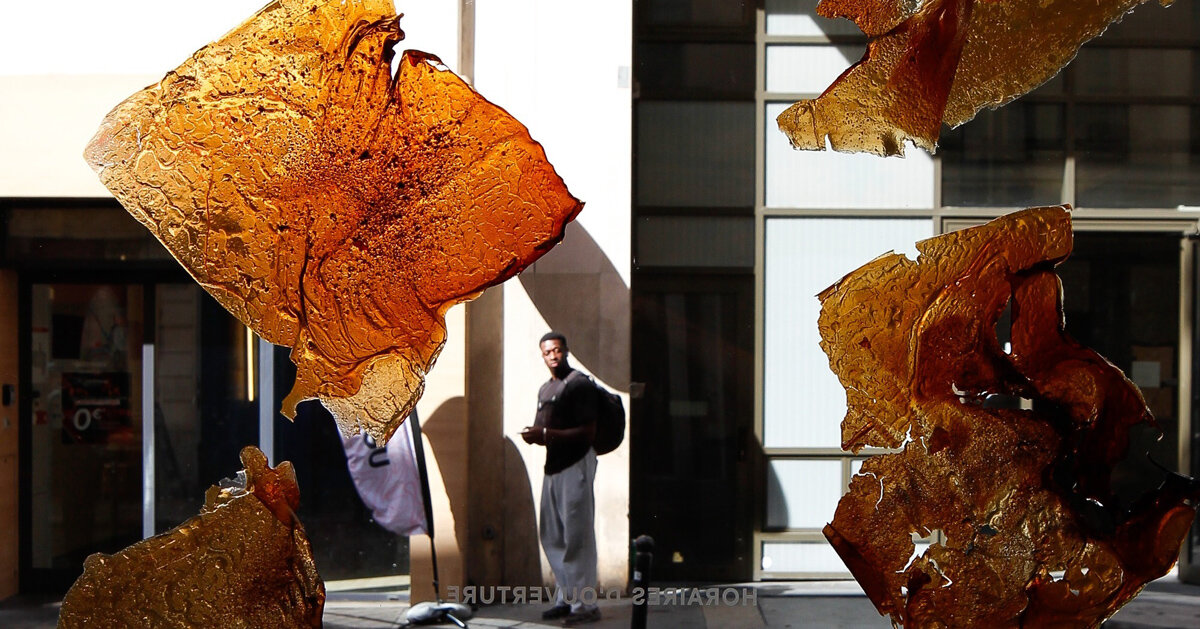
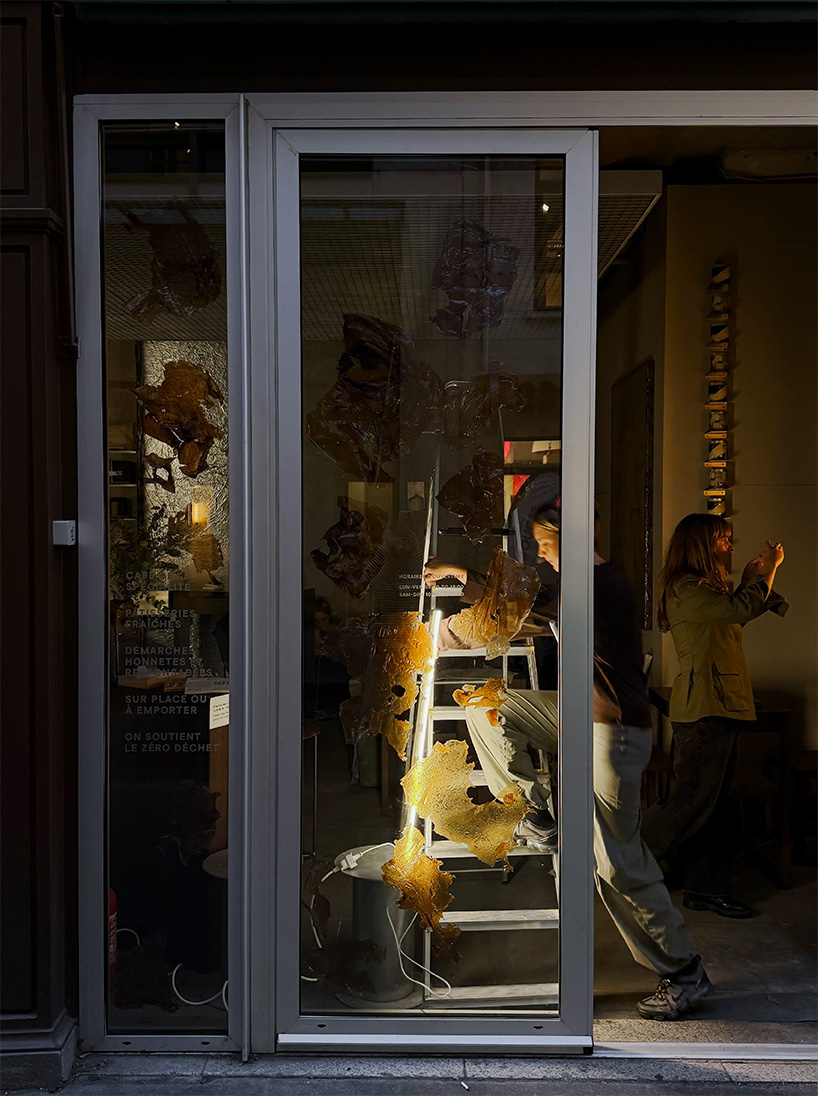
The material journey also ventures into the realm of spatial and sculptural design. Paula Punkstiņa utilizes the dirty wastewater harvested from the café’s operations, combining it with glycerin and resin to fabricate architectural interior elements. These amber-colored, translucent surfaces appear to visually capture the fluid movement of water, embedding the literal essence of the café’s operational runoff directly into its physical environment and expanding the scope of the project far beyond functional tableware.
Redefining Waste Through Interdisciplinary Collaboration
The intricate connections forged between these individual processes form the backbone and central narrative structure of Found Associations. Rather than presenting the materials as a disconnected series of isolated design experiments, the project links them together in a deliberate sequence where each creator feeds the next phase of production. Low-tech artisanal techniques are combined fluidly with rigorous, laboratory-based scientific methods, demonstrating a broad spectrum of approaches for transforming the ephemeral by-products of café culture.
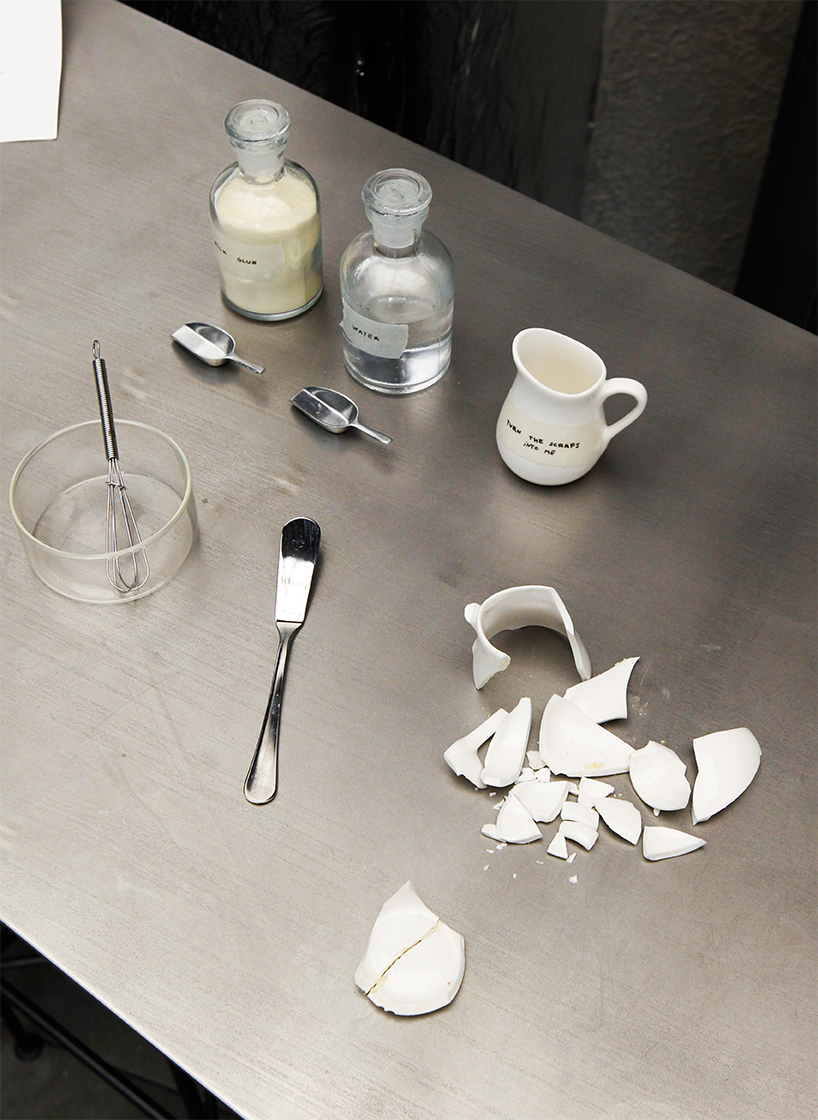
The exhibition’s title, Found Associations, directly addresses the conceptual necessity of creating fresh interpretations when handling excess materials. The project prompts both designers and consumers to look past the familiar, derogatory linguistic category of "waste" and instead re-examine how these overlooked substances can acquire entirely new functional roles, aesthetic identities, and cultural meanings. By treating coffee grounds as a functional filter, milk as a structural adhesive, and wastewater as an atmospheric spatial medium, the initiative establishes the modern café not merely as a site of consumption, but as a living model for continuous material experimentation and circular design.